
The moment you step onto Playa Los Ángeles, the scent of grilled pabellón from nearby kiosks mingles with salt air. Rows of blue-and-white striped umbrellas dot the sand, each staked by families unpacking coolers filled with malta and tequeños. Children dart between the surf and sandcastles while grandmothers in wide-brimmed hats keep watch from folding chairs, their feet buried in the warmth beneath.
“Playa Los Ángeles anchors Naiguatá's identity as the local beach where generations of Venezuelan families return without fail.”
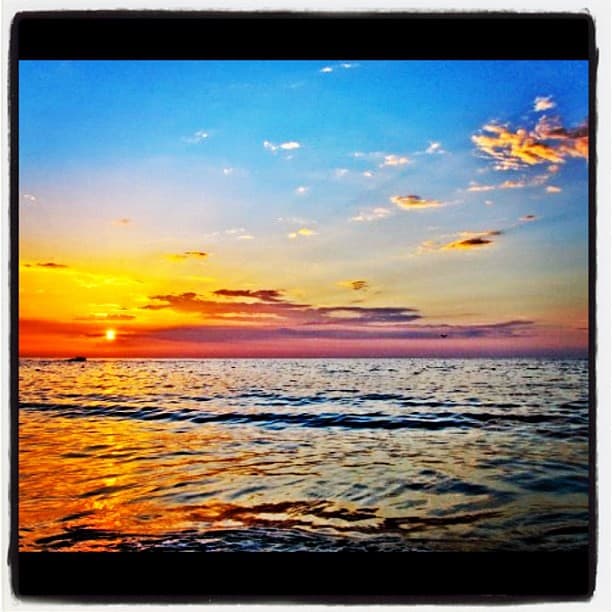 Credit: Flickr
Playa Los Ángeles — photo by durdaneta
The beach curves gently along Naiguatá's coast, backed by a line of modest hotels and apartment blocks that give it a neighborhood feel. Waves roll in with predictable rhythm—small enough for toddlers, satisfying enough for bodysurfing teenagers. The sand itself is fine and dark gold, clinging to your ankles as you walk the length of the shore, passing vendors selling coco frío and empanadas from wheeled carts.
By late afternoon, the light softens and the mountain shadows creep down toward the water. Volleyball nets spring up near the eastern end, and the thwack of the ball punctuates conversations in rapid Spanish. You'll hear merengue from someone's portable speaker, laughter rising above the surf, and the universal sound of a cooler lid snapping shut. This is Venezuelan beach culture at its most unvarnished—no pretense, just people claiming their piece of coast.


