
The beach reveals itself suddenly as the coastal track rounds a forested point—a half-moon bay where fishing boats rest on wooden rollers above the tide line. Behind the narrow strand, the village consists of perhaps two dozen structures, their tin roofs glinting between coconut palms and breadfruit trees. You'll notice the shallow river mouth at the beach's western edge, where fresh water cuts a channel through the sand before merging with salt.
“One of the rare Venezuelan beaches where cacao agriculture and fishing coexist visibly, with drying platforms steps from the tide line.”
 Credit: Flickr
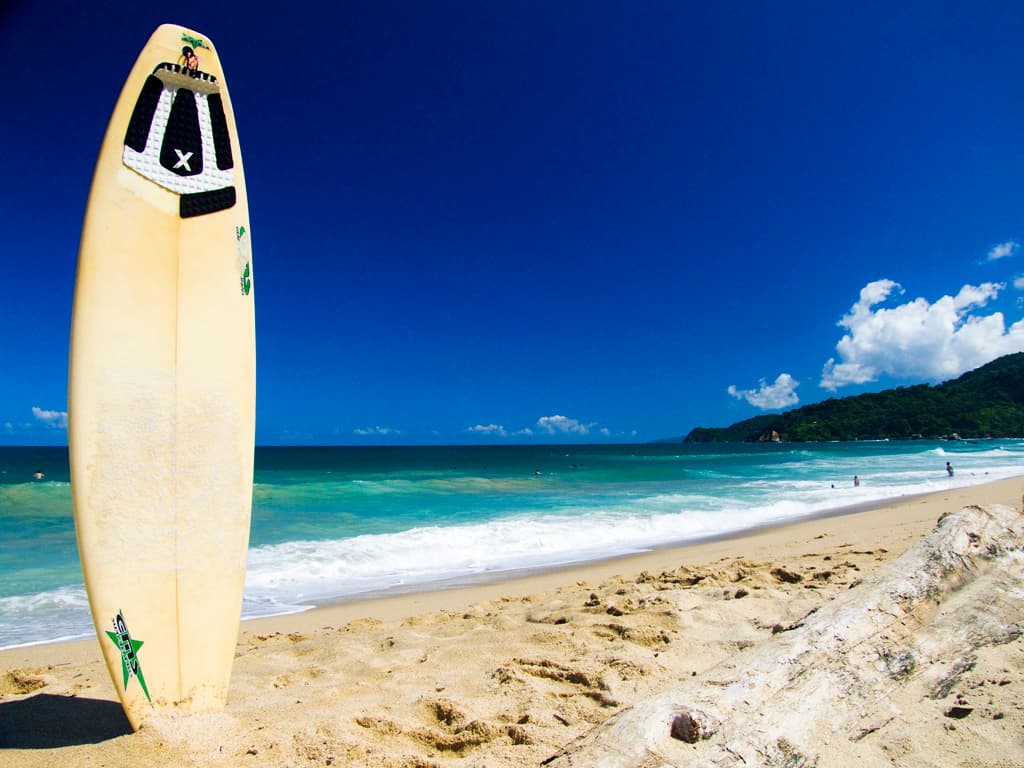
Playa Osma — photo by ervega
Mid-morning brings the best conditions for swimming, when the sea lies calm and transparent enough to watch small jacks darting near your legs. The sand holds a fine texture, neither powdery white nor volcanic black, but a middle tone that reflects the mixed geology of this coast. Shade comes from scattered almond trees and lean-to structures built from palm fronds, simple shelters that provide respite when the tropical sun reaches its zenith.
Life here follows agricultural and fishing calendars rather than tourist seasons. You might encounter a farmer spreading cacao beans to dry on elevated racks, the chocolate-bound seeds turning from purple to brown over days of sun exposure. The village tienda stocks basics—canned sardines, pasta, warm beer—but little else. As pelicans patrol the surf line and frigate birds wheel overhead, you'll sense the particular tranquility of places that tourism hasn't yet reshaped into something more commercially viable but less authentically themselves.


