
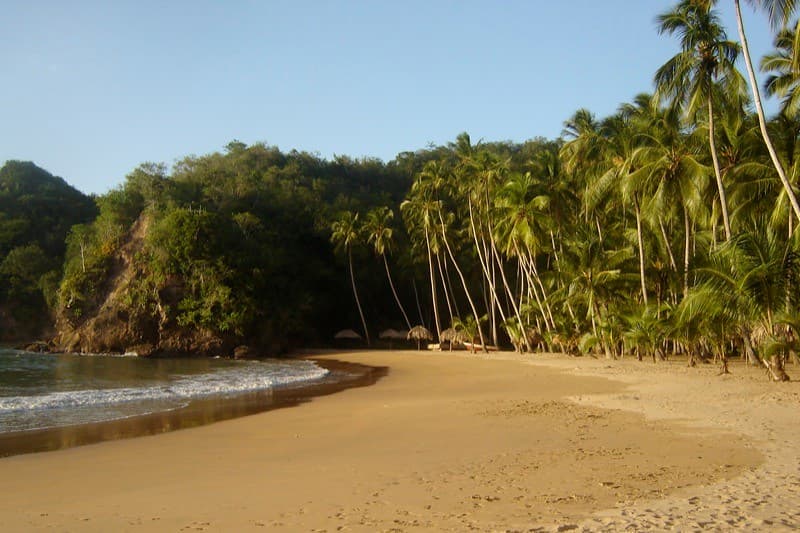
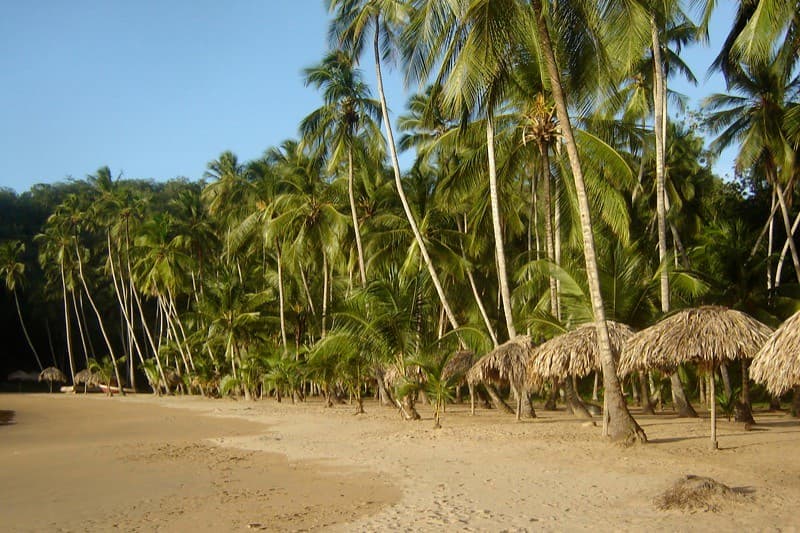
The shoreline at El Peñón refuses the typical beach template. Instead of sand, you'll find rock formations weathered into sculptures by centuries of minimal wave action—the gulf's calmness means erosion happens through persistence rather than violence. Boulders the size of compact cars rest in shallow water, their surfaces colonized by barnacles and algae that make footing treacherous and colors vivid. This is a beach for looking more than lounging, for exploring tide pools rather than spreading towels.
“The rocky topography creates a beach experience based on exploration and photography rather than traditional sunbathing, attracting visitors seeking geological drama over sandy ease.”
 Credit: Flickr
Playa El Peñón del Golfo — photo by grodriguezrj
The rocky substrate creates microhabitats: small fish shelter in crevices, crabs scuttle between stones, and at low tide, pools trap miniature ecosystems waiting for the gulf's return. Swimming happens in the gaps between rocks, where sandy patches allow entry into water still characteristically calm but deeper quickly. The stone provides natural diving platforms for those confident in their foot placement, and the varied depths create temperature gradients—cooler water in shaded gaps, sun-warmed shallows across the rocks.
Sunset transforms El Peñón into a photographer's studied composition. The rocks create foreground interest, their dark silhouettes contrasting against the gulf's reflected sky. You'll watch light change minute by minute, the stone absorbing then releasing the day's heat, the water shifting through a spectrum that cameras struggle to capture accurately. This isn't a beach for crowds—the terrain discourages it—but for those who find beauty in coastlines that challenge rather than comfort, El Peñón offers the gulf's most visually complex shore.


