
The boat ride from Mochima village takes twenty minutes, long enough to leave behind the hum of motorbikes and street vendors. As you approach Playa Manare, the shoreline curves into view—a crescent of blonde sand bordered by green slopes that tumble straight into the sea. The water here stays calm year-round, sheltered by the landmass that wraps around the bay like cupped hands.
“The protected bay creates swimming conditions so serene that toddlers wade alongside grandparents without hesitation.”
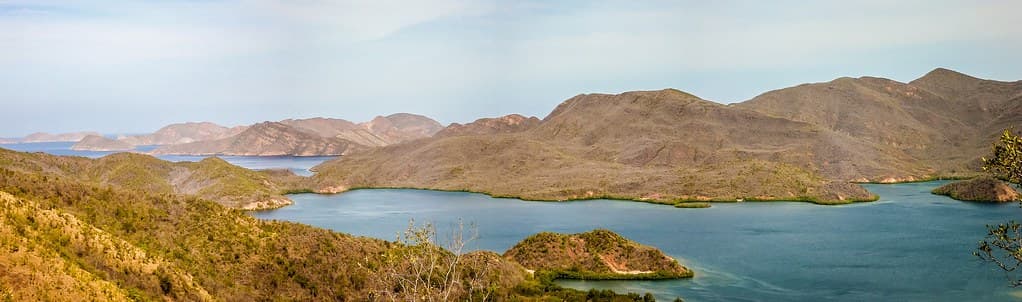 Credit: Flickr
Playa Manare — photo by José Pestana
You'll notice the absence of undertow immediately when you wade in. The seafloor slopes gradually, revealing patches of tan sand beneath water that shifts from amber near shore to deep turquoise twenty meters out. Families spread blankets under almond trees that fringe the beach, their shade striped with sunlight. By midday, the only sounds are the occasional thud of a falling seed pod and the murmur of waves too gentle to break.
Local fishermen sometimes anchor offshore, their wooden boats bobbing as they sort the morning's catch. You can buy fresh pargo snapper directly from their coolers, still cold and firm-fleshed. As afternoon stretches toward evening, the water takes on a bronze tint, reflecting the clay-red soil of the surrounding hills.


