
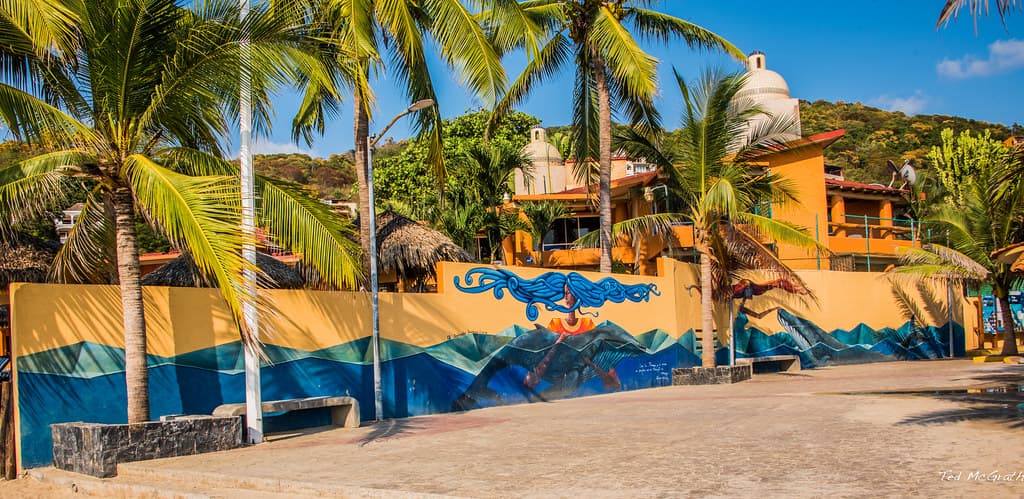
The scent of grilled pescado frito drifts from shoreline stands as you step onto the narrow strand where Cabimas meets Lake Maracaibo. Miramar isn't manicured; it's a working waterfront where oil-industry families spread blankets on weekday afternoons and children wade into the calm, coffee-tinted water. Wooden pilings jut from the shallows, relics of old piers, and the breeze carries diesel faint from the refineries that built this city.
“A rare lakefront escape in Venezuela's oil capital, where industry and informal leisure coexist without pretense.”
 Credit: Flickr
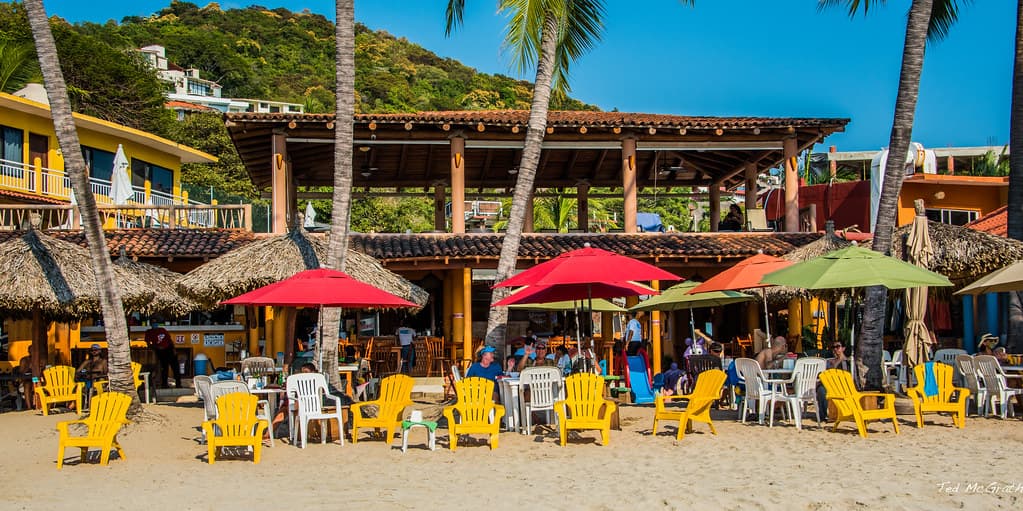
2020 - Mexico - Zihuatanejo - 71 of 137 - Paty's Miramar - Playa La Ropa
Sunset here unfolds in burnt orange and violet, the sky reflected in the lake's glassy surface as boats return with the day's catch. Vendors sell raspados—shaved ice doused in tamarind syrup—from pushcarts, and the murmur of conversations in Zuliano Spanish blends with the slap of small waves. No beachfront resorts interrupt the view; just low-rise homes and the occasional painted mural celebrating local heritage.
You come to Miramar not for amenities but for authenticity. This is Venezuela's oil heartland at rest, a sliver of sand where laborers and their families claim leisure on their own terms. The water stays shallow for dozens of metres, warm as bathwater, and the horizon stretches unbroken except for the silhouettes of drilling platforms—a reminder that even beaches here belong to the rhythms of extraction and resilience.


