
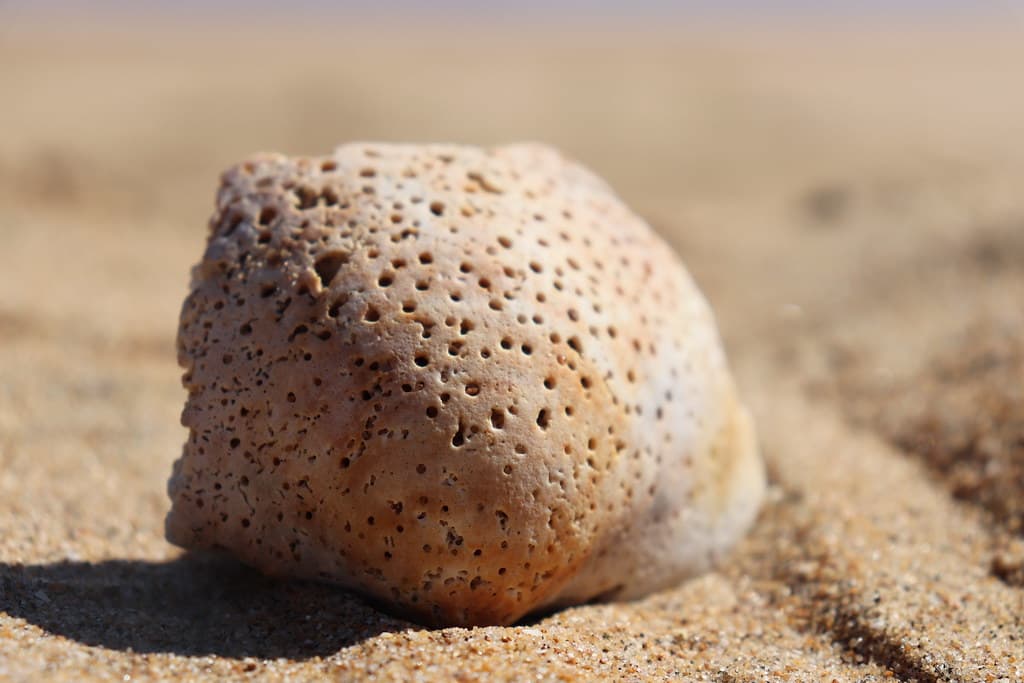
You step off the launch onto Isla de Toas and follow the sound of vallenato music drifting through the palms to Playa La Almeja. The beach spreads along the island's protected side, a wide crescent of tan sand dotted with palapas where families have staked their territory for the day. Vendors work the sand selling ceviche in plastic cups, sliced mango dusted with salt, coconut water poured straight from the shell.
“La Almeja functions as the island's designated gathering point where mainlanders come to participate in collective escape rather than seek solitude.”
 Credit: Flickr
La Playa
The water here glows greenish-brown, warmed by the tropical sun and calm enough for children to splash safely while adults float on inflatable loungers that slowly drift with the current. Fishing boats motor past just offshore, heading toward deeper water in the gulf. The beach smells like grilled pargo, woodsmoke, and coconut sunscreen—a combination you'll remember weeks later as the scent of Venezuelan island life.
By early afternoon, the palapas fill completely and latecomers spread towels directly on the sand, content to bake under the full sun. Someone's portable speaker competes with the neighbor's radio, creating a collision of reggaeton and salsa that somehow works. Ice chests packed with Polar beer appear from under benches. This is not a quiet retreat—it's a social beach where volume and proximity are features, not problems, where the weekend unfolds exactly as it should.


