
Finding Playa Punta Gorda requires intention—it doesn't appear on most regional maps, and the access road from Simón Bolívar deteriorates to rutted tracks that make you question your navigation. Then the mangroves part and you're facing a crescent of sand so empty it seems implausible. Egrets stalk through the shallows where fresh and brackish water mix, creating conditions that support neither lake nor marsh species but somehow both.
“Punta Gorda occupies the region's northern edge where mangrove ecosystems meet lakefront, creating the area's most ecologically distinctive and undervisited shore access.”
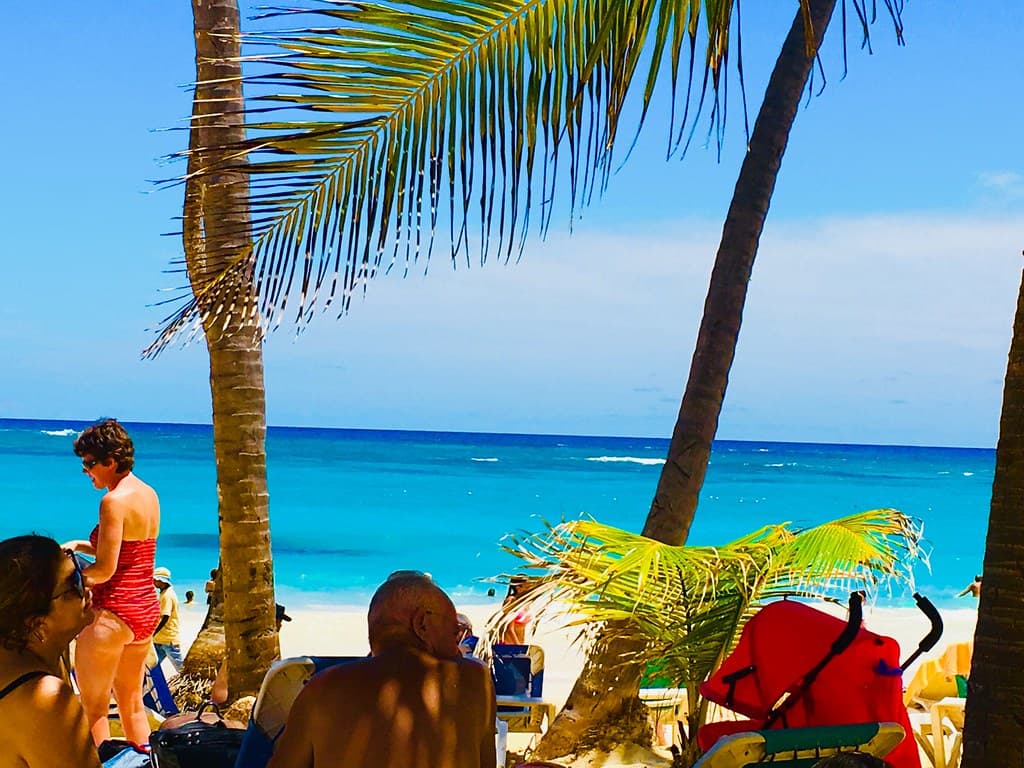 Credit: Flickr
Playa Arena Gorda
The beach itself runs narrow, squeezed between lake and vegetation, the sand darker than southern shores and littered with mangrove propagules that look like alien seedpods. You spread your towel and listen: wind through leaves, water lapping, bird calls echoing from the mangrove tunnels. No music, no vendors, no voices but your own. The water enters your awareness gradually—warm, slightly murky with tannins from the mangroves, more swimmable than it first appears once you trust it.
Afternoons bring subtle changes. The light shifts from white to gold to amber, transforming the mangroves into black silhouettes against a lake that mirrors the sky's progression. A local family might appear, parking their truck at the track's end and unloading for a few hours before darkness makes the drive back treacherous. They nod, you nod, and everyone returns to their separate solitudes, understanding that this beach's gift is space—physical, mental, the kind you didn't realize you needed until you found it.


