
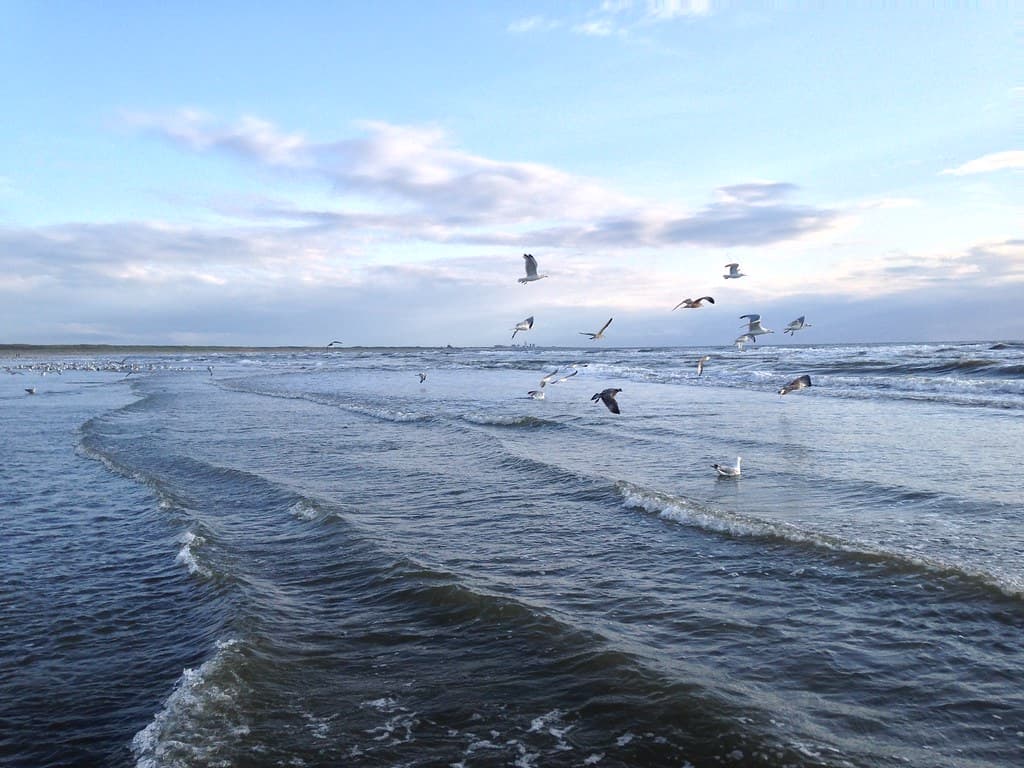
The zodiac bumps against Fortuna Bay's shore and you swing your legs over the side, boots crunching onto smooth basalt pebbles worn round by Southern Ocean swells. Meltwater streams braid through the stones, milky with glacial silt, and the air smells of kelp, guano, and something mineral you can't name. King penguins waddle past with the baffled dignity of diplomats who've lost their briefcases, while elephant seal weaners—600-pound toddlers—belch at one another in the beach grass.
“The only beach where you walk in Shackleton's literal footsteps while king penguins and elephant seals outnumber humans ten thousand to one.”
 Credit: Flickr
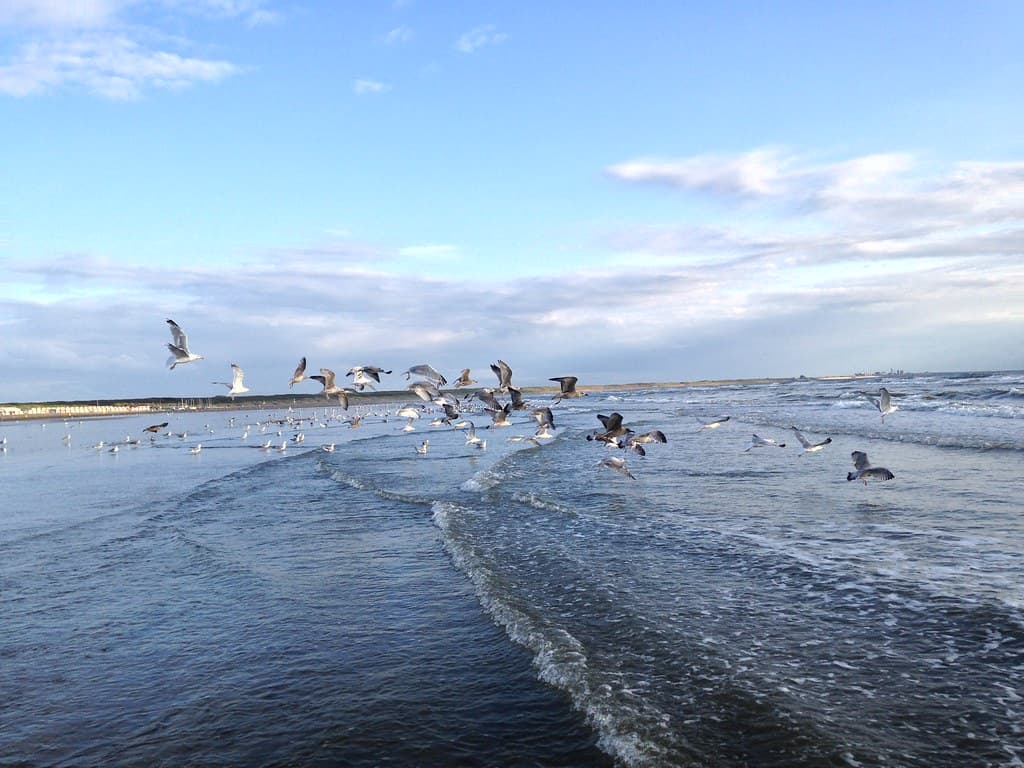
ZAANDVORD, NETHERLANDS ( NORTH SEA )
This is the bay where Shackleton and his two companions finally reached civilization's edge after crossing South Georgia's interior mountains without map or rope. You can hike part of that route inland, climbing through tussock bogs into valleys where hanging glaciers calve house-sized blocks into meltwater lakes. The wind carries ice-breath down from the Neumayer Glacier, and every twenty minutes another piece of the mountain surrenders to gravity with a crack you feel in your sternum.
No café, no lifeguard tower, no cell signal—just you, the expedition staff watching for aggressive fur seals, and thirty thousand seabirds nesting in cliffs honeycombed by centuries of occupation. You crouch to let a penguin pass. Its eye, older than judgment, studies you briefly before it continues toward the surf.


