
The pebbles shift beneath your feet as you navigate the margins of a living tapestry—chicks in downy brown coats huddle beside adults whose orange auricular patches glow against slate-gray skies. Glacial streams carve braided channels through the beach, carrying sediment from the mountains that rise sharply behind Grytviken's abandoned whaling station. The wind carries brine and guano, an earthy musk that mingles with the cold bite of Antarctic air.
“No other accessible beach concentrates king penguins, elephant seals, and fur seals in such overwhelming numbers against an active glacial backdrop.”
 Credit: Flickr
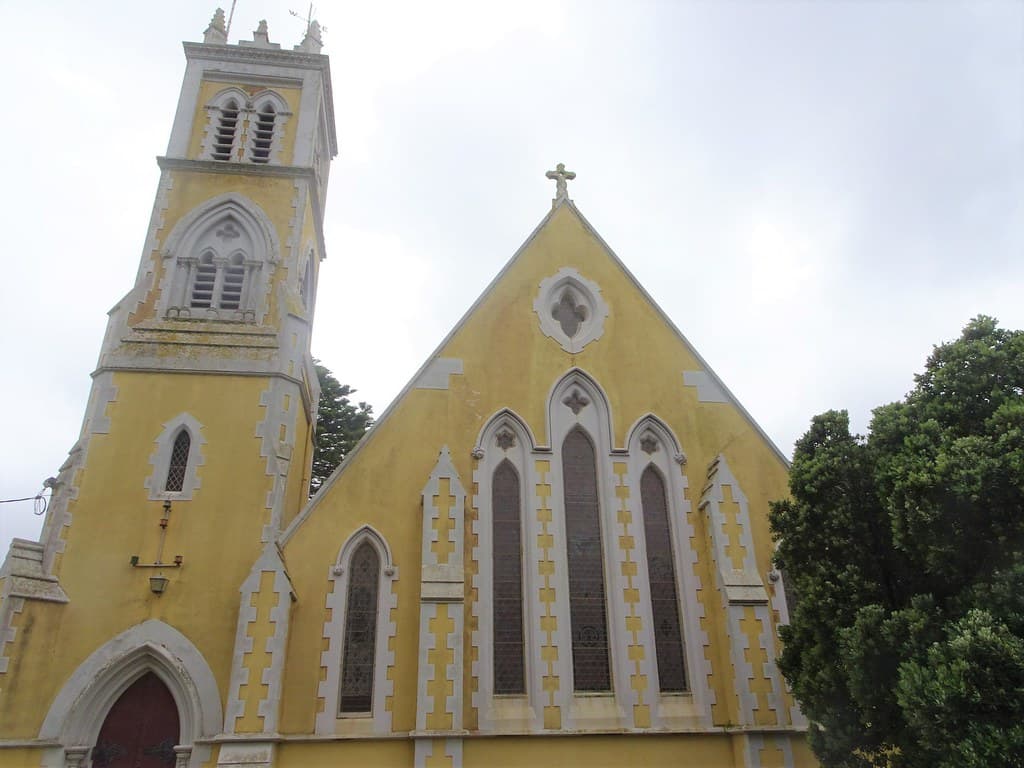
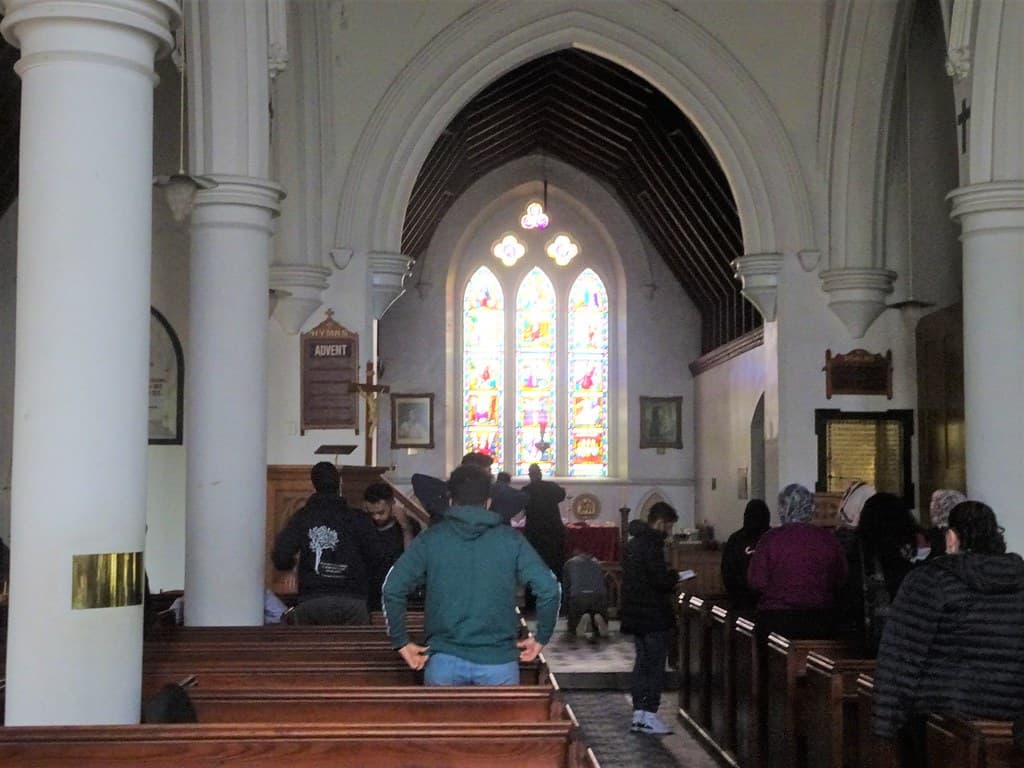
Queenscliffe. Bellarine Peninsula. The Anglican church built in 1864. Painted stucco. The tower was added in 1878. The land for it was donated by Governor La Trobe. Nave and altar.
Elephant seals sprawl across the foreshore like boulders made flesh, their guttural belches punctuating the colony's constant chatter. You'll watch skuas patrol overhead, eyeing unguarded eggs, while fur seals claim stretches of shoreline with territorial displays. The scale defies your expectations—penguins stretch toward the tussock grass in a sea of orange, black, and white that shifts and ripples like a single organism.
There are no cafés here, no boardwalks or parking lots. You arrive by expedition vessel, landing via Zodiac onto a beach governed entirely by wildlife rhythms. The journey demands crossing the Scotia Sea, but standing amid the largest king penguin colony accessible to visitors, watching chicks beg for regurgitated fish while glaciers calve in the distance, you'll understand why South Georgia remains pilgrimage territory for those willing to venture this far south.


