Horseshoe Island · Antártida e Islas del Atlántico Sur · Argentina
Horseshoe Island Beach
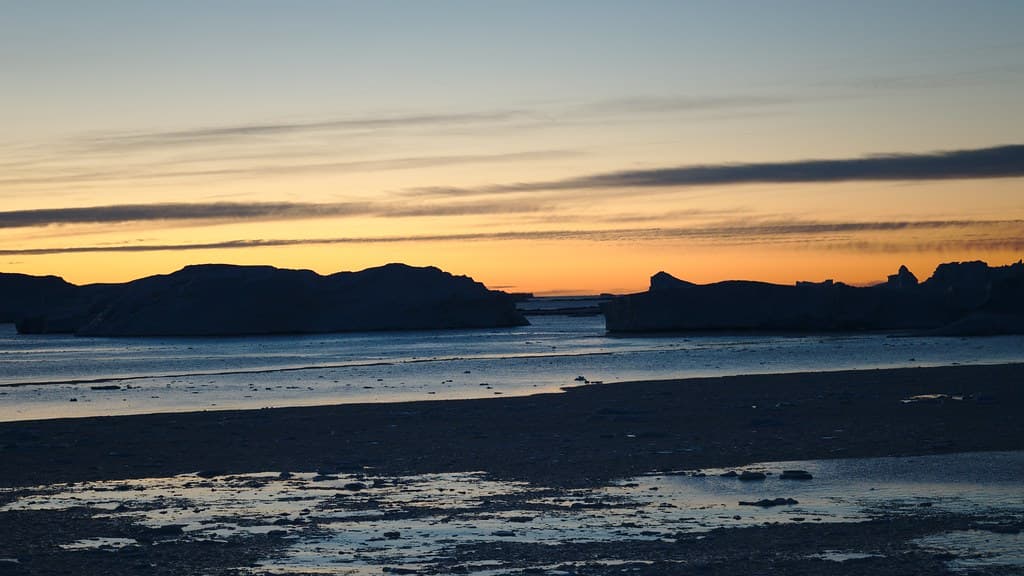
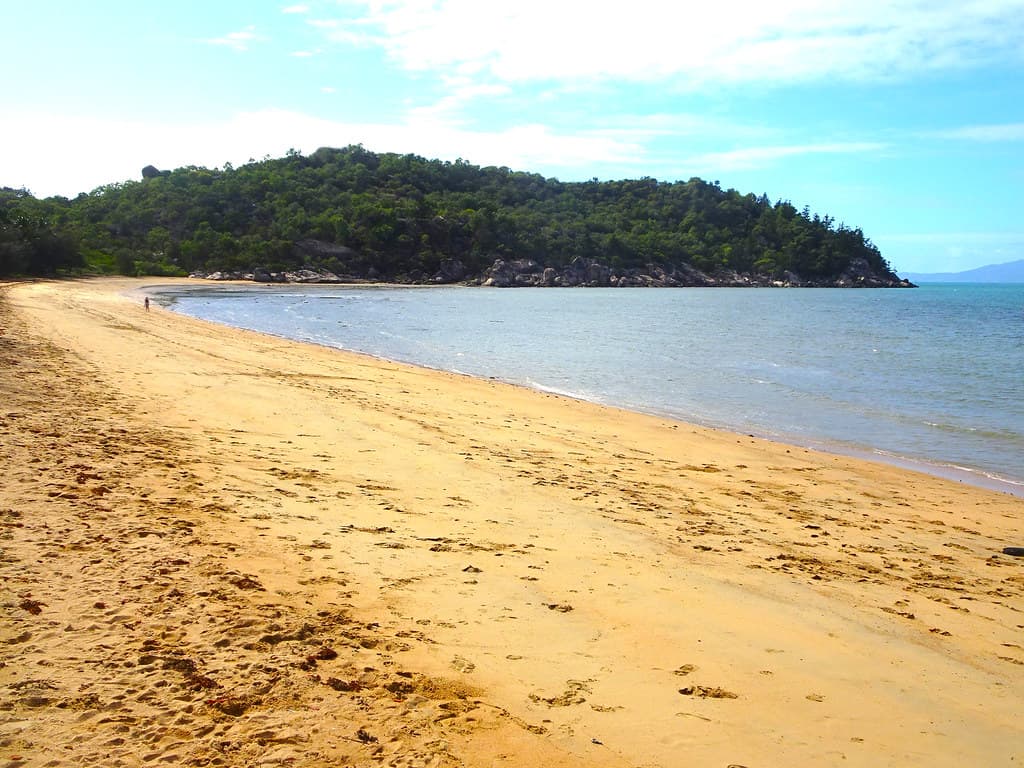
Your boots crunch across volcanic stones the size of river rocks, each step echoing against the corrugated walls of a 1955 British research station. Gentoo penguins waddle past rusted fuel drums while leopard seals eye you from the shallows. This is Antarctica stripped of romance, raw and humbling.
Reading live conditions…
Live from Open-Meteo · sea surface temperature and wave data modelled at 1-km grid resolution for Horseshoe Island Beach. Numbers refresh at the hourly tick.
- Purity
- 0%
- Conditions
- 0%
- Crowd
- 0%
- Vibe
- 0%
The OnlyBeaches Index weighs four pillars against your chosen persona. Purity comes from water clarity and air-quality heuristics; Conditions from Open-Meteo waves, wind and temperatures; Crowd from historical patterns; Vibe from nearby events within 50 km. The score rebalances throughout the day.
Horseshoe Island Beach
Horseshoe Island·Antártida e Islas del Atlántico Sur·Argentina
Your boots crunch across volcanic stones the size of river rocks, each step echoing against the corrugated walls of a 1955 British research station. Gentoo penguins waddle past rusted fuel drums while leopard seals eye you from the shallows. This is Antarctica stripped of romance, raw and humbling.
Photos
8 captures from Horseshoe Island Beach
About this beach
Where it is
Horseshoe Island Beach
Horseshoe Island, Antártida e Islas del Atlántico Sur, Argentina
-67.8064°, -67.2878°
Top things to do
At Horseshoe Island Beach
Document Base Y
Frozen-in-time 1955 British hut
Shoreline Wildlife Walk
Seals, penguins along pebble arc
Glacial Ice Formations
Brash ice stranded at tideline
Historic Expedition Routes
Trace sledge paths near station
Near this beach
Places, rentals, tours and events within walking and driving distance of Horseshoe Island Beach.
Questions people actually ask about Horseshoe Island Beach.
Is it safe to swim at Horseshoe Island Beach?
Swimming at Horseshoe Island Beach is unsafe and strongly discouraged. Antarctic waters maintain temperatures between -2°C and 2°C throughout the year, which can cause immediate cold shock, rapid hypothermia, and loss of muscle control within minutes of immersion. The remote location means emergency medical assistance is extremely limited. Even accidental falls into the water require immediate rescue and warming. Visitors should maintain safe distances from the water's edge, as pebble beaches can be slippery and unstable near the waterline, especially with ice present.
When is the best time to visit Horseshoe Island Beach?
Visit Horseshoe Island Beach during the Antarctic summer from late November to early March, with January and February offering the most stable conditions. During these months, average temperatures range from -5°C to 3°C, and continuous daylight facilitates safe navigation and zodiac landings. Sea ice is at its minimum extent, improving accessibility. This period also aligns with wildlife breeding seasons. Weather remains highly variable, and all Antarctic visits depend on real-time conditions. Early and late season visits may encounter more ice and limited daylight hours.