
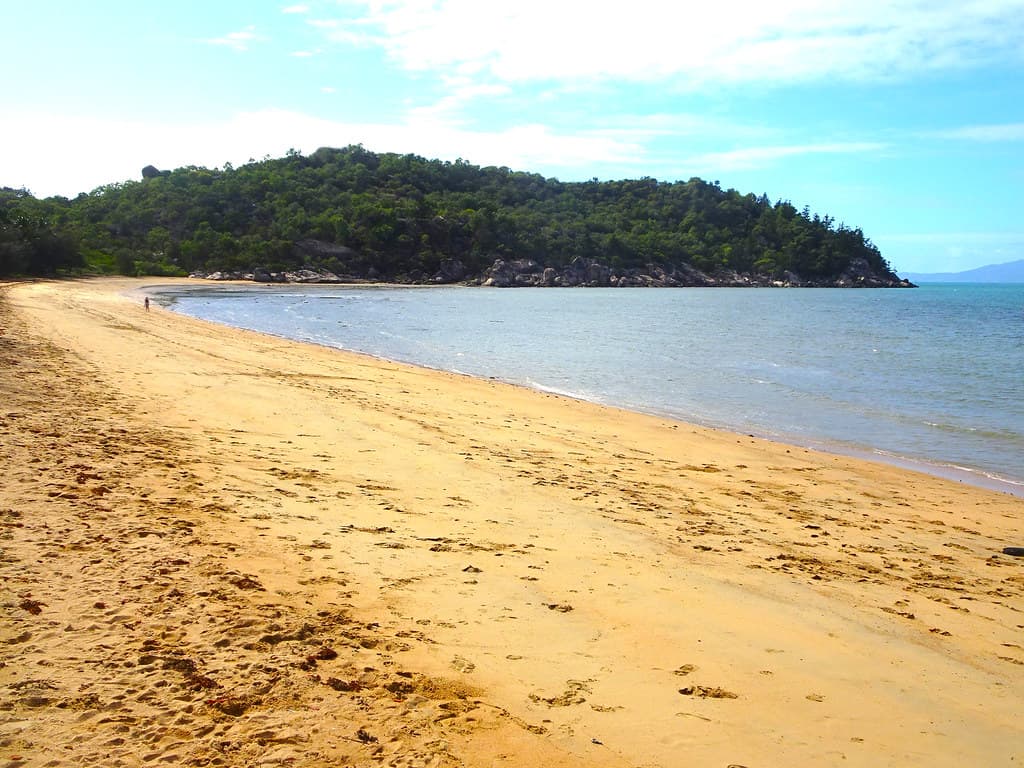
The shore at Horseshoe Island curves like a clenched fist, its pebbles worn smooth by Antarctic surf that grinds through the Marguerite Bay channel. You'll land via Zodiac—there's no other way—and feel the cold radiating up through your waterproof boots as you step onto stones ranging from graphite-gray to rust-orange. The abandoned British Base Y squats fifty meters inland, its red paint peeling in long strips, a reminder that humans can visit this place but never truly belong.
“One of the few Antarctic beaches where you can walk through a preserved mid-century research station still holding the ghosts of winter isolation.”
 Credit: Flickr
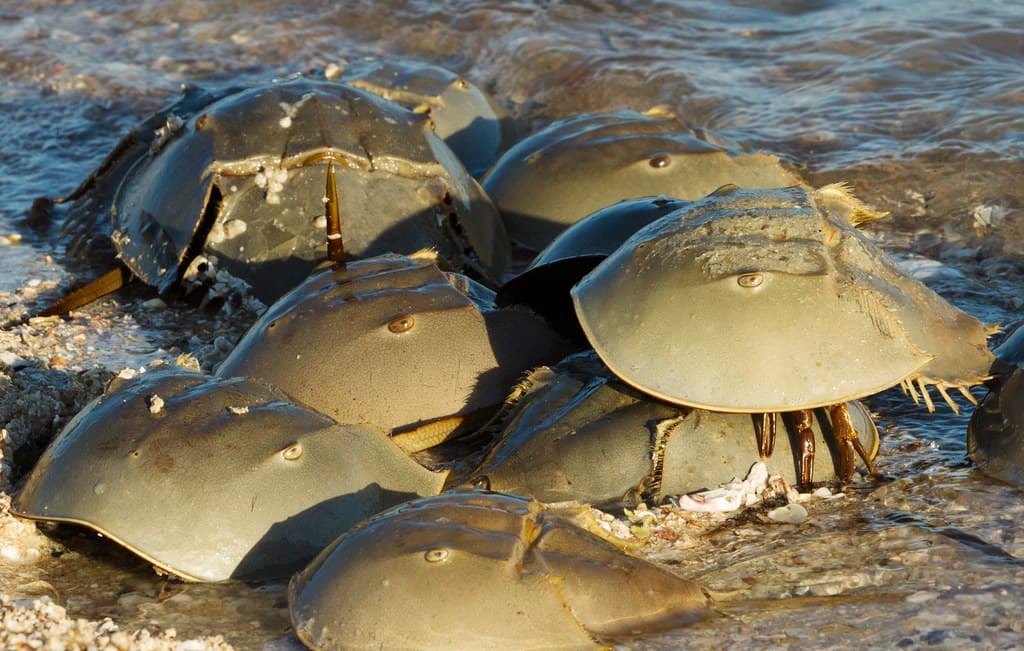
Mating horseshoe crabs at Ten Thousand Islands
The beach itself is a working shoreline: elephant seals haul out on the larger rocks, their bulk forming living boulders; skuas patrol for scraps; and the constant scrape of ice against pebble provides a rhythm older than any expedition. Walk east and you'll find tidewater marks fifteen feet high, evidence of storms that reshape this coast with indifference. The air smells of guano, salt, and something mineral—the scent of a continent that's never been tamed.
Most expedition ships anchor here for three hours, enough time to tour the hut where men catalogued weather patterns through the polar night, then wander the beach collecting images of a landscape that feels both primordial and strangely industrial. The water stays just above freezing year-round; no one swims. You come here to stand at the edge of the habitable world and understand what "remote" actually means.


