King George Island · Antártida e Islas del Atlántico Sur · Argentina
Collins Harbour Beach
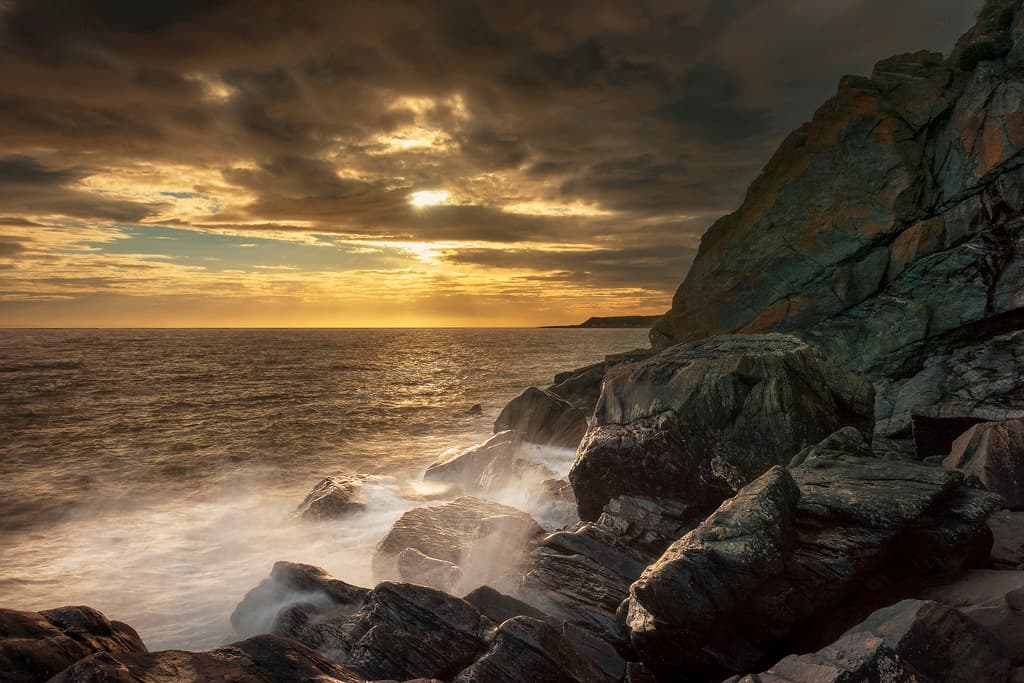
You reach Collins Harbour Beach by zodiac, stepping onto smooth volcanic stones that click beneath your boots. The air smells of krill and cold brine, while elephant seals grunt from the shoreline as petrels wheel overhead in the perpetual summer daylight.
Reading live conditions…
Live from Open-Meteo · sea surface temperature and wave data modelled at 1-km grid resolution for Collins Harbour Beach. Numbers refresh at the hourly tick.
- Purity
- 0%
- Conditions
- 0%
- Crowd
- 0%
- Vibe
- 0%
The OnlyBeaches Index weighs four pillars against your chosen persona. Purity comes from water clarity and air-quality heuristics; Conditions from Open-Meteo waves, wind and temperatures; Crowd from historical patterns; Vibe from nearby events within 50 km. The score rebalances throughout the day.
Collins Harbour Beach
King George Island·Antártida e Islas del Atlántico Sur·Argentina
You reach Collins Harbour Beach by zodiac, stepping onto smooth volcanic stones that click beneath your boots. The air smells of krill and cold brine, while elephant seals grunt from the shoreline as petrels wheel overhead in the perpetual summer daylight.
Photos
8 captures from Collins Harbour Beach
About this beach
Where it is
Collins Harbour Beach
King George Island, Antártida e Islas del Atlántico Sur, Argentina
-62.1787°, -58.8584°
Top things to do
At Collins Harbour Beach
Wildlife Documentation
Penguins, seals within five meters
Shoreline Traverse
Guided route to research stations
Ice Navigation
Zodiac tours near bergs
Glacial Calving
Tidewater ice shelf photography
Near this beach
Places, rentals, tours and events within walking and driving distance of Collins Harbour Beach.
Questions people actually ask about Collins Harbour Beach.
Is it safe to visit Collins Harbour Beach?
Collins Harbour Beach can be safely visited when accompanied by trained expedition guides following Antarctic Treaty protocols. Water temperatures remain lethally cold year-round, making swimming impossible without specialized equipment. The pebble beach can be slippery when wet or icy, requiring proper Antarctic boots and caution when walking. Wildlife including seals may be present and must be observed from regulated distances. Weather can change rapidly, with strong winds and sudden storms possible at any time. All visits must be coordinated through licensed expedition operators who assess conditions and ensure visitor safety throughout shore excursions.
What is the best time to visit Collins Harbour Beach?
The optimal visiting window for Collins Harbour Beach is during the Antarctic summer from November through March. Peak season runs December through February when temperatures are warmest (reaching just above freezing), daylight extends up to 20 hours, and wildlife is most active. Early season (November) offers pristine snow conditions and nesting birds, while mid-season (January-February) provides the warmest weather and penguin chick sightings. Late season (March) features spectacular autumn light and whale activity. However, access depends entirely on weather conditions and expedition schedules, which can change without notice.