
The zodiac cuts its engine fifty meters offshore, and you wade the final steps onto a beach composed entirely of wave-polished andesite pebbles, each one dark as coal and cold to the touch. Collins Harbour Beach stretches along King George Island's less-visited southwestern sector, where research stations dot distant ridges but the shoreline remains the domain of wildlife. Terns dive for Antarctic silverfish in the shallows, and if you stand motionless long enough, Weddell seals haul out to regard you with liquid eyes.
“One of the southernmost accessible beaches on Earth, where Antarctic Treaty protocols limit visits to preserve an ecosystem unchanged by tourism.”
 Credit: Flickr
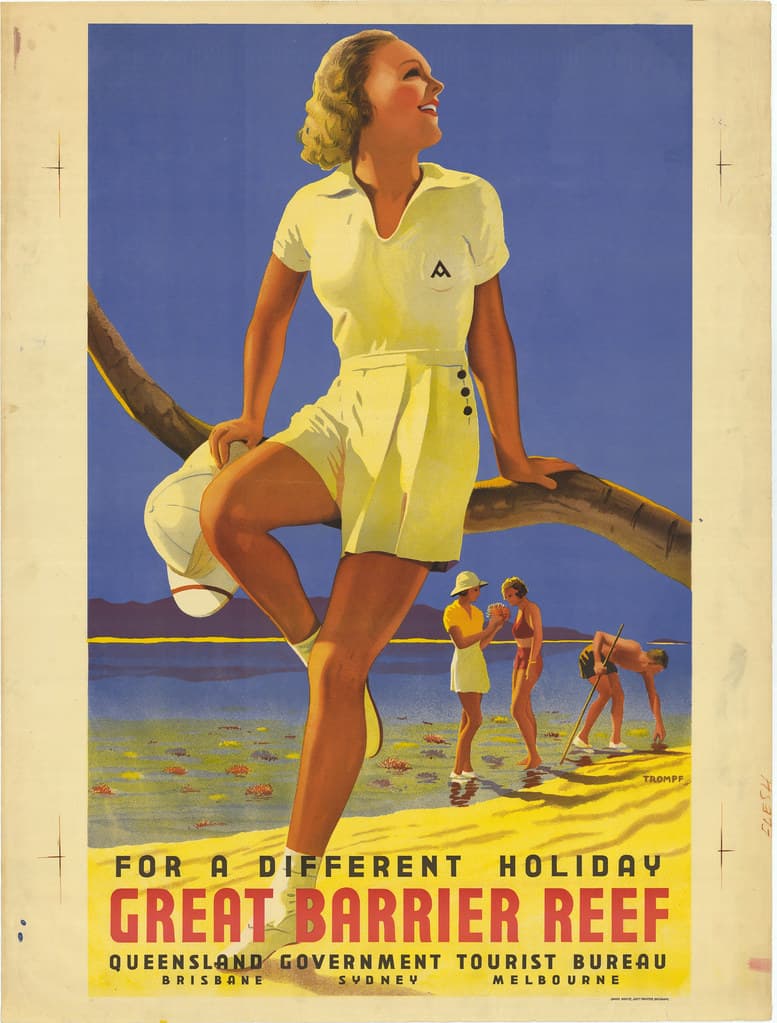
For a Different Holiday, Great Barrier Reef.
This is not a beach for sunbathing or swimming—water temperatures hover near freezing year-round, and the wind carries ice particles that sting exposed skin. Instead, you come for the raw theater of a continent untouched by commerce: glaciers that groan as they fracture, skuas defending nesting territories with guttural calls, and the mineral smell of guano mixing with sea spray. The pebbles shift underfoot with each wave, creating a percussive soundtrack that echoes off nearby ice cliffs.
Access requires expedition cruise berths that run four to five figures, and landings depend entirely on weather windows that can slam shut without warning. But for those few hours when conditions align, you stand at the bottom of the world on a beach where every element—stone, ice, wind, wildlife—operates on its own terms, indifferent to human schedules or expectations.


