Counting the waves…
Counting the waves…
A refined fusion of water purity, environmental stability, and communal vibrancy for Ocean Harbour Beach.
View MethodologyAnalyzed via live sensors and environmental data.
Wave height, wind, and atmospheric stability.
Live footfall and crowd balance metrics.
Community reviews and curated sentiment.
“You crunch across rust-colored stones toward skeletal whaling-station ruins, the air thick with krill and kelp. Fur seals bask between corroded iron tanks while South Georgia pintails paddle in the shallows. This is…”
Limited recent visitor reports — live OBI telemetry is your best guide for current conditions.
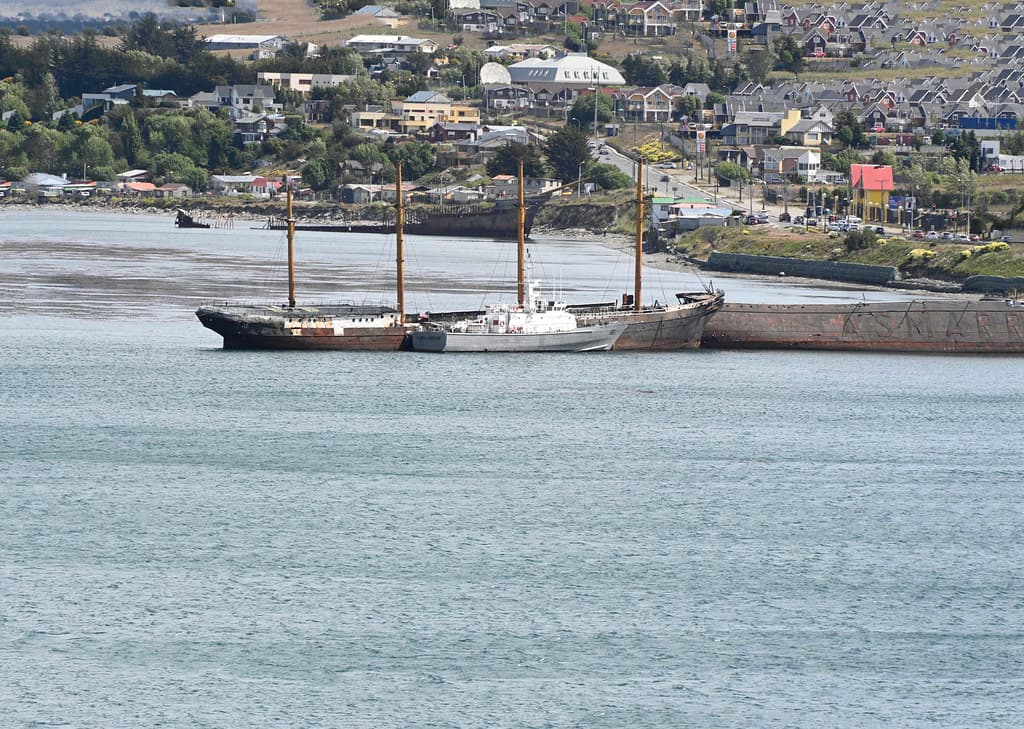
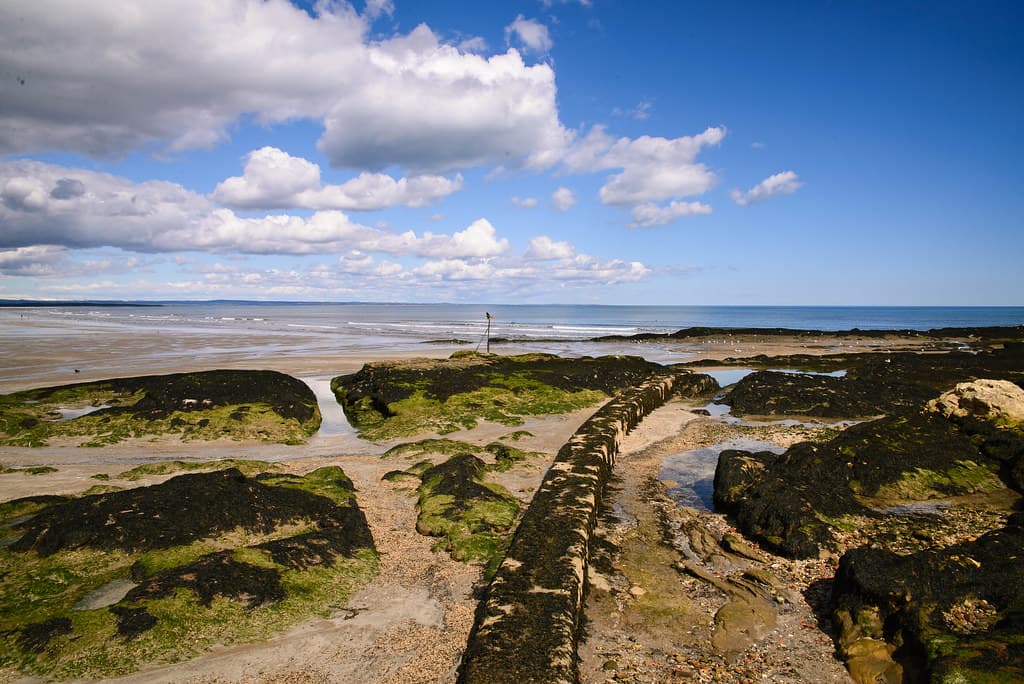
The gravel shifts beneath your boots as you step onto Ocean Harbour Beach, each stone smoothed by the relentless Southern Ocean. Behind you, the dismembered skeleton of a 1909 whaling station leans into the wind—flensing platforms collapsed into rust sculptures, blubber vats now nesting sites for Antarctic terns. The air carries a sharp brine tang mixed with the musky scent of fifty elephant seals hauled out along the tideline, their guttural bellows echoing off the surrounding peaks.
You navigate between fur seal mothers nursing pups in the lee of overturned whale-catchers, their hulls orange with decay. King penguins waddle past without concern, more interested in the shallow creek mouth where they rinse salt from their feathers. The beach curves beneath glacier-carved headlands, its dark stones interrupted by kelp holdfasts the size of basketballs and the occasional whale vertebra—whether from natural death or century-old slaughter, impossible to say.
White cliffs over a desert beach
Sunset reflecting on wet sand
Rust textures meet glacier backdrops
Navigate among seal colonies safely
Elephant seals at arm's length
Prime Visitation
Best Weather | Less Crowds
Where it is
Ocean Harbour Beach
Ocean Harbour, Antártida e Islas del Atlántico Sur, Argentina
-54.336400°, -36.262500°
Weather
Loading…
Swell
—
Temp
Warm · Restorative
UV Index
Moderate
Wind
—
Tidal State
Last known
Max Sunlight
—
Ideal Shade
—
Jan - Dec (Peak)
Mar - Nov (Off-season)
Best Weather | Less Crowds
Select a category to load nearby places.
Unlock restaurants, luxury stays and curated maritime experiences within 2km
Swimming at Ocean Harbour Beach is unsafe and strongly discouraged. The Southern Ocean waters are dangerously cold year-round, with temperatures that can cause hypothermia within minutes of immersion. The beach is frequented by elephant seals and fur seals that can be aggressive, especially during breeding seasons. The remote location means no emergency medical facilities are available. Ocean Harbour is visited for its historical whaling station ruins and wildlife observation, not recreational swimming. All beach activities should follow expedition guide instructions and maintain safe distances from wildlife.
Visit Ocean Harbour Beach during South Georgia's austral summer from November to March for the most favorable conditions. The peak months of December through February offer relatively milder weather, extended daylight, and optimal wildlife viewing when seals and penguins are most active. This timing also provides the best opportunities to photograph the historic whaling station remains in good light. Weather in South Georgia is notoriously unpredictable, so all visits should allow flexibility. Expedition schedules depend heavily on sea conditions suitable for zodiac landings.
Ocean Harbour Beach is accessible only via expedition cruise ship with zodiac landings. South Georgia has no commercial airports or ferry services. Travelers must book specialized Antarctic or sub-Antarctic expedition cruises, typically departing from Ushuaia, Argentina, or the Falkland Islands. The crossing to South Georgia takes approximately two to three days across often rough seas. Landing at Ocean Harbour depends on favorable weather and sea conditions. All visits require permits obtained by expedition operators and are conducted under professional guide supervision for safety and environmental protection.
Ocean Harbour Beach has no restaurants, hotels, or any visitor facilities. The location is completely uninhabited, with only abandoned whaling station ruins remaining from early 20th-century operations. All visitors to South Georgia stay aboard expedition cruise ships, which provide comprehensive accommodations, dining, and amenities. Shore visits are brief excursions, typically one to three hours. Visitors must not consume food on shore due to strict environmental protocols. The nearest limited facilities are at Grytviken research station, located elsewhere on the island.
Ocean Harbour Beach is distinguished by its well-preserved whaling station ruins dating from the early 1900s to the 1920s, providing tangible evidence of South Georgia's important whaling heritage. Visitors can observe remnants of processing buildings, equipment, and shipwrecks that tell the story of this industrial era. The juxtaposition of historical artifacts with abundant wildlife recovering after whaling's end creates a powerful narrative about conservation and ecosystem resilience. The beach offers unique photographic opportunities combining industrial archaeology with natural beauty, making it culturally and historically valuable.
Photos