
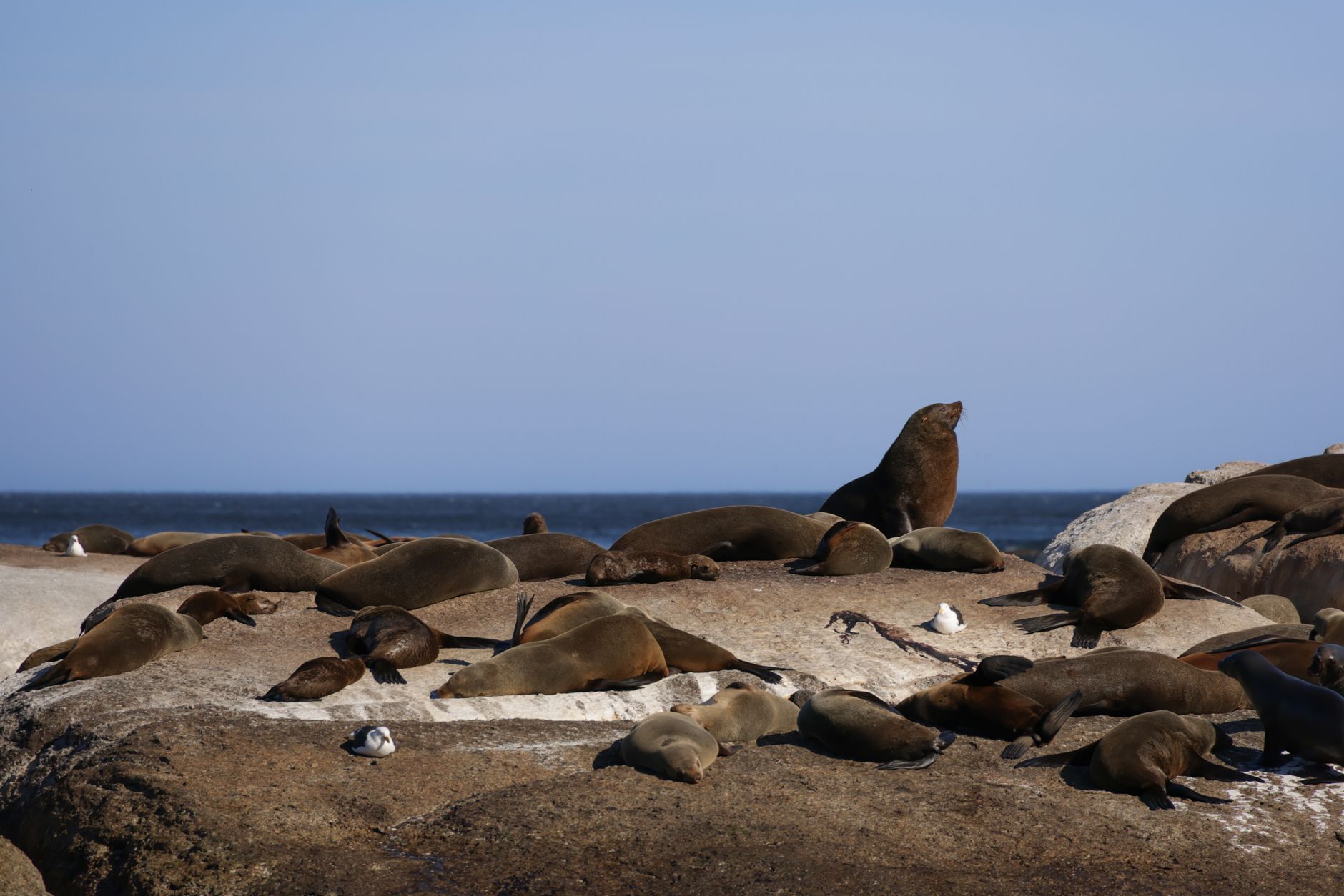
Counting the waves…
Counting the waves…
A refined fusion of water purity, environmental stability, and communal vibrancy for Vega Island Beach.
View MethodologyAnalyzed via live sensors and environmental data.
Wave height, wind, and atmospheric stability.
Live footfall and crowd balance metrics.
Community reviews and curated sentiment.
“You crunch across rounded stones beneath towering ice cliffs, your boots slipping on kelp-slick cobbles as Adélie penguins wheel overhead. The air tastes metallic and cold, each breath a reminder that fewer than a…”
Limited recent visitor reports — live OBI telemetry is your best guide for current conditions.
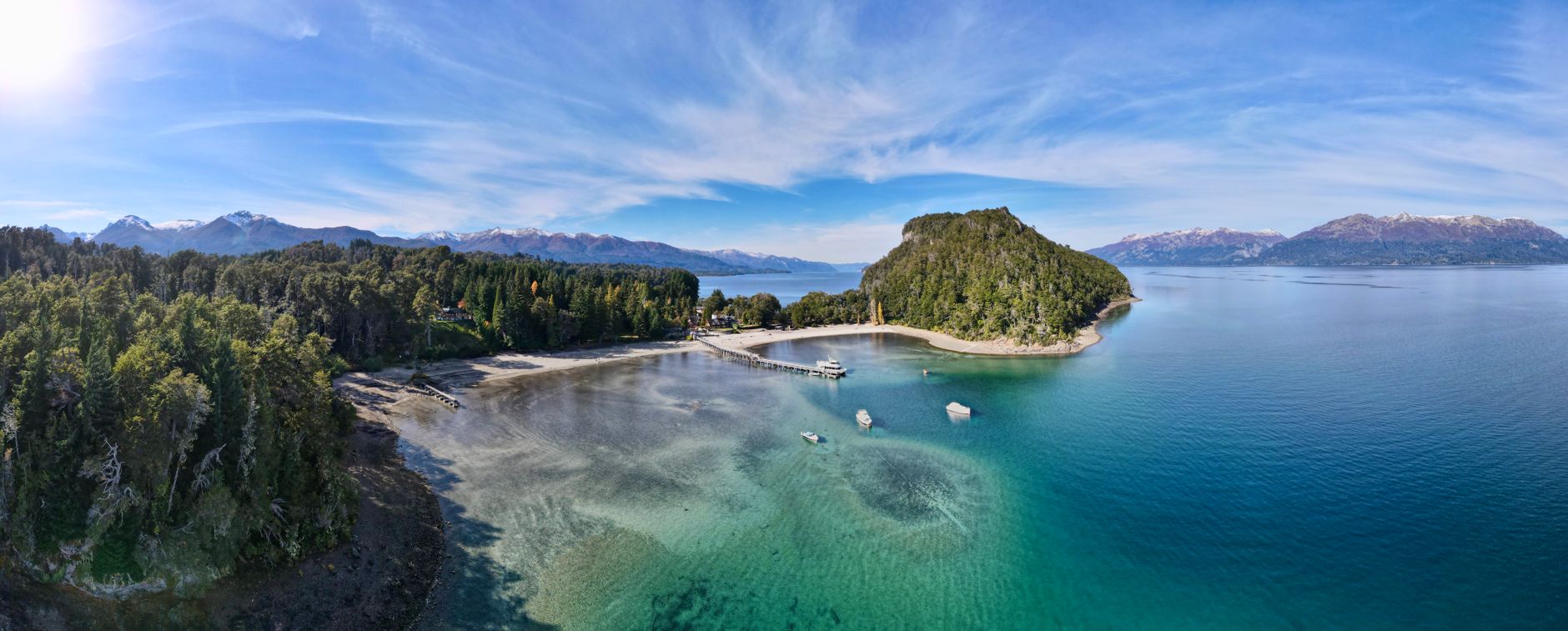
Vega Island emerges from the Weddell Sea like a geological textbook torn open, its eastern beaches a mosaic of charcoal-dark pebbles and rust-streaked boulders that speak to volcanic upheaval millions of years old. You step from the Zodiac onto stones worn smooth by pack ice, the shore crunching underfoot with a sound somewhere between gravel and broken glass. Behind you, tabular icebergs the size of city blocks drift in water so cold it steams against the comparatively warmer air, their edges sharp enough to draw blood from the sky.
This is expedition territory, not vacation—no surf shacks, no beach bars, no footprints from yesterday because the tide erased them hours ago. You're here because a ship's captain read the ice charts correctly and because the Antarctic Peninsula's notoriously fickle weather opened a narrow window. Paleontologists have pulled Cretaceous-era fossils from these slopes, remnants of forests that thrived here 70 million years before the first iceberg calved.
Tabular bergs frame volcanic cliffs
Cretaceous deposits visible in scree
Nesting colonies dot inland ridges
Prime Visitation
Best Weather | Less Crowds
Where it is
Vega Island Beach
Weddell Sea, Antártida e Islas del Atlántico Sur, Argentina
-63.834700°, -57.421800°
Weather
Loading…
Swell
—
Temp
Warm · Restorative
UV Index
Moderate
Wind
—
Tidal State
Last known
Max Sunlight
—
Ideal Shade
—
Jan - Dec (Peak)
Mar - Nov (Off-season)
Best Weather | Less Crowds
Select a category to load nearby places.
Unlock restaurants, luxury stays and curated maritime experiences within 2km
Swimming at Vega Island Beach is not recommended and is generally prohibited. The Weddell Sea has extremely cold water temperatures that hover near freezing year-round, posing immediate hypothermia risks. Additionally, strong currents, unpredictable weather, and the presence of leopard seals make water entry dangerous. Visitors typically explore this remote Antarctic beach from shore only, under strict expedition guidelines. The pebble beach is best experienced for its dramatic scenery and wildlife observation rather than any water activities.
The best time to visit Vega Island Beach is during the Antarctic summer, from November to March, when temperatures are relatively milder (around -2°C to 8°C) and there's nearly 24-hour daylight. December through February offers the warmest conditions and peak wildlife activity, including penguin breeding seasons. November and March typically have fewer expedition vessels, providing a more solitary experience. However, weather in the Weddell Sea remains unpredictable year-round, with possible storms and pack ice even in summer months.
Vega Island Beach is accessible only via specialized Antarctic expedition cruises departing from Ushuaia, Argentina. The journey crosses the Drake Passage and navigates through the Weddell Sea, typically taking 10-14 days round trip. Landing on Vega Island depends heavily on ice conditions and weather, as the Weddell Sea is notorious for pack ice. Zodiac boats transfer passengers from expedition ships to shore. There are no roads, airports, or parking facilities—access is entirely expedition-based and subject to Antarctic Treaty regulations.
Vega Island Beach has absolutely no facilities, amenities, or accommodations. This is a completely uninhabited and pristine Antarctic wilderness with no infrastructure whatsoever. Visitors must bring all necessary supplies aboard their expedition vessel, which serves as their accommodation, dining, and base. There are no restaurants, shops, bathrooms, or shelters on the island. All expeditions follow Leave No Trace principles, and visitors must return to their ship for all necessities. The island is protected under Antarctic Treaty environmental protocols.
Vega Island is internationally renowned for its exceptional Cretaceous-era fossil deposits, making it a crucial site for understanding prehistoric Antarctica. The island has yielded important dinosaur remains and marine reptile fossils dating back 65-70 million years, providing evidence of Antarctica's warmer past. Its geological formations preserve a critical record of the mass extinction event that ended the dinosaur age. While fossil collection is strictly prohibited for visitors, the dramatic geology visible from the beach offers a window into Earth's ancient history rarely accessible elsewhere.
Photos