
This stretch of shore offers the most direct confrontation with the Strait of Magellan itself, unmediated by lighthouse or penguin colony. The beach curves gently, oriented westward so you face directly into the channel that connects two oceans. Pebbles here show remarkable variety—volcanic basalt alongside sedimentary sandstone, some veined with quartz that catches occasional sunlight. The strand line is marked with kelp holdfasts the size of soccer balls, their root systems still clutching stones torn from deeper waters.
“You're experiencing the Strait of Magellan from its most unmediated vantage—no infrastructure, no crowds, just you and the waters that rewrote navigation history.”
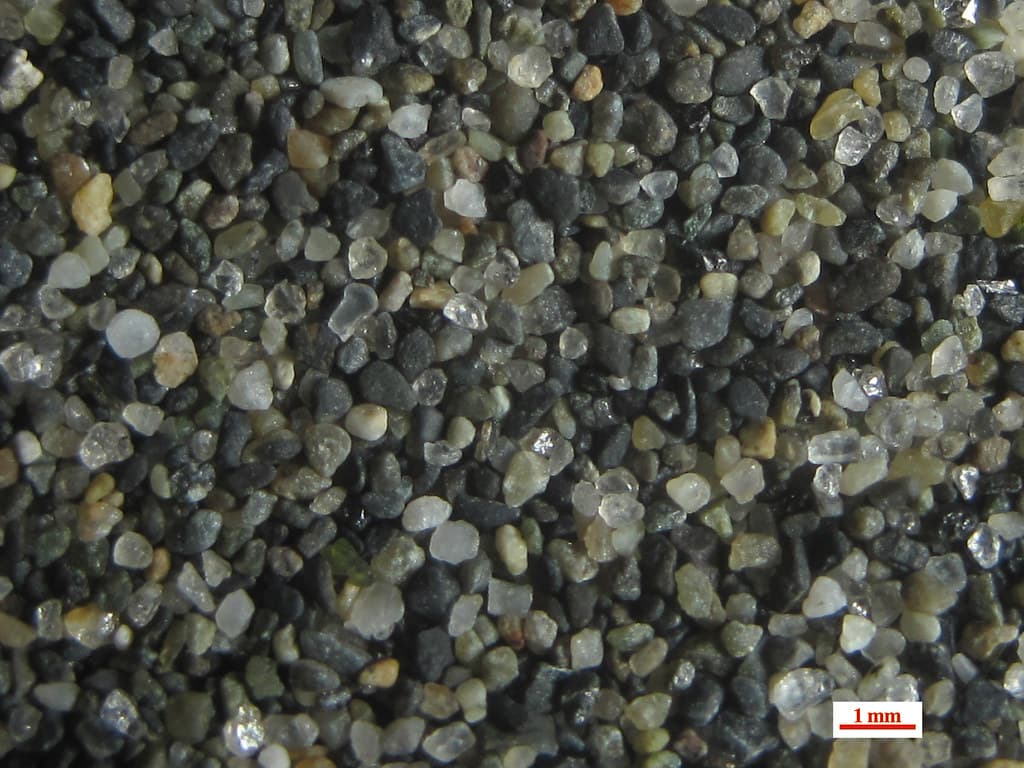 Credit: Flickr
Arena - Playa - Punta Delgada (Estrecho de Magallanes, Chile)
The strait's mood changes hourly. Morning might bring glassy calm with perfect reflections of Tierra del Fuego's northern shore. By afternoon, the prevailing westerlies whip the surface into whitecaps that march eastward toward the Atlantic. The water color shifts from steel gray to deep green depending on light and current. You can sit among the larger boulders that punctuate the upper beach, finding shelter from wind while watching cargo ships and occasional cruise vessels navigate the historic passage.
Solitude here is nearly complete. The beach's remoteness—beyond the main lighthouse and colony attractions—filters out casual visitors. You might spot guanacos drinking from seasonal streams, or encounter a lone fisherman trying luck in the nutrient-rich strait waters. Sunset is particularly affecting, the low southern sun painting the channel in shades of copper and rose while the first stars appear in the darkening eastern sky behind you.


