
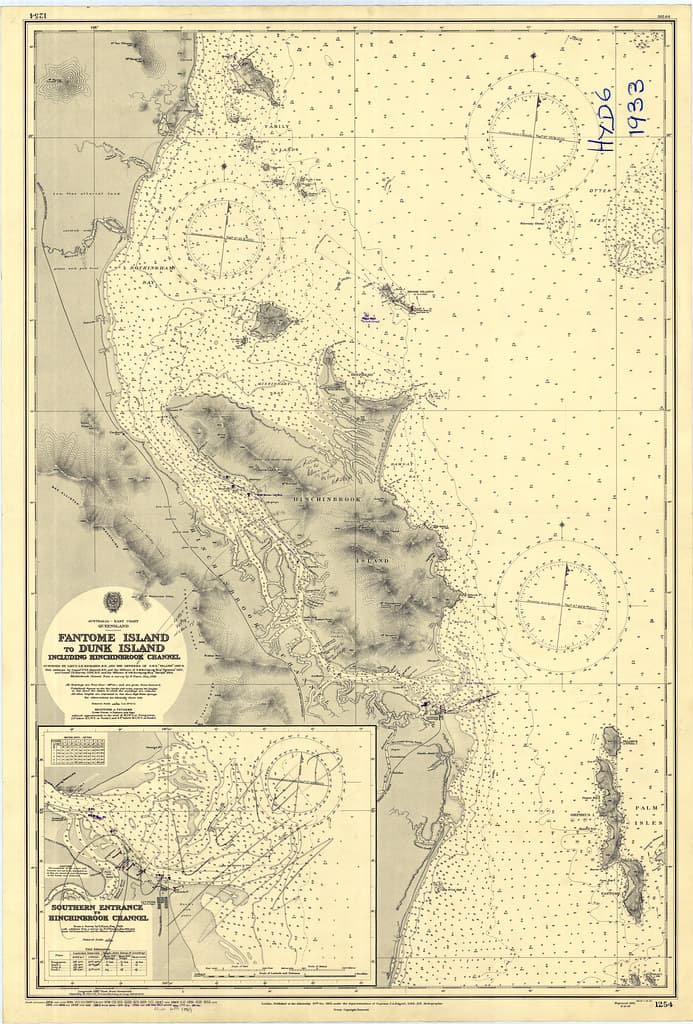
Hinchinbrook Island Beach unfolds along Australia's largest island national park, a 52,000-hectare wilderness where the Great Barrier Reef meets the Wet Tropics rainforest. You arrive by boat—there's no bridge, no road—and the moment your feet touch the fine beige sand, the mainland world evaporates. Wallabies browse along the tree line at dawn. Curlews call from mudflats. The only infrastructure is a handful of rustic campsites tucked beneath she-oaks and paperbarks.
“It's Australia's largest island national park accessible only by boat, where rainforest-clad peaks meet deserted sand and crocodile caution replaces beach crowds.”
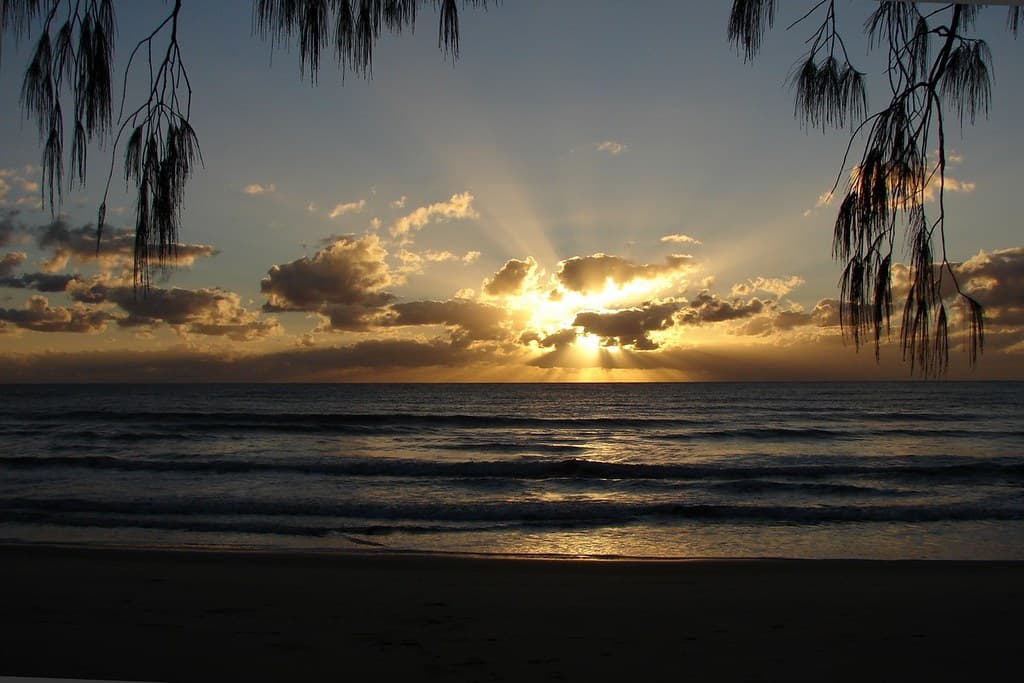 Credit: Flickr
Sunrise in Hinchinbrook island
The Thorsborne Trail, a 32-kilometer coastal trek, traces the island's eastern shore past waterfalls, tidal creeks, and boulder-strewn coves. But you don't need to hike the entire route to taste the island's wildness. Day-trippers stake out secluded stretches near Ramsay Bay or Macushla, where the sand is flour-soft and the water shifts from jade to deep indigo. Saltwater crocodiles inhabit the mangrove estuaries, so you swim only where locals advise. Tides dictate everything: your launch time, your beach access, your chance of spotting rays gliding over sandbars.
Evenings settle in slowly. The sun drops behind Mount Bowen, painting the Coral Sea orange and violet. You hear fruit bats waking, the slap of fish jumping. There's no Wi-Fi, no restaurant menu. Just you, the tide, and a coastline unchanged for millennia.


