Counting the waves…
Counting the waves…
A refined fusion of water purity, environmental stability, and communal vibrancy for Horn Island Beach.
View MethodologyAnalyzed via live sensors and environmental data.
Wave height, wind, and atmospheric stability.
Live footfall and crowd balance metrics.
Community reviews and curated sentiment.
“You step off the tarmac onto an island rimmed with pale sand and murky tidal flats, where fighter planes once roared overhead and Indigenous Kaurareg people still harvest the reef. The Arafura Sea laps against…”
Limited recent visitor reports — live OBI telemetry is your best guide for current conditions.
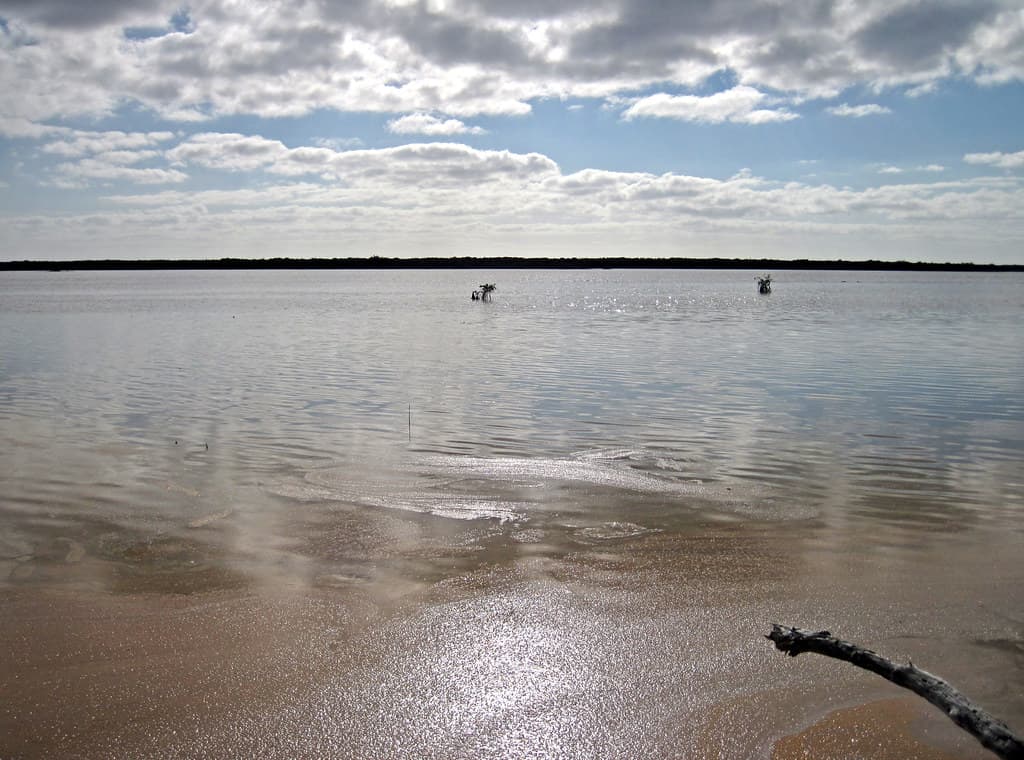
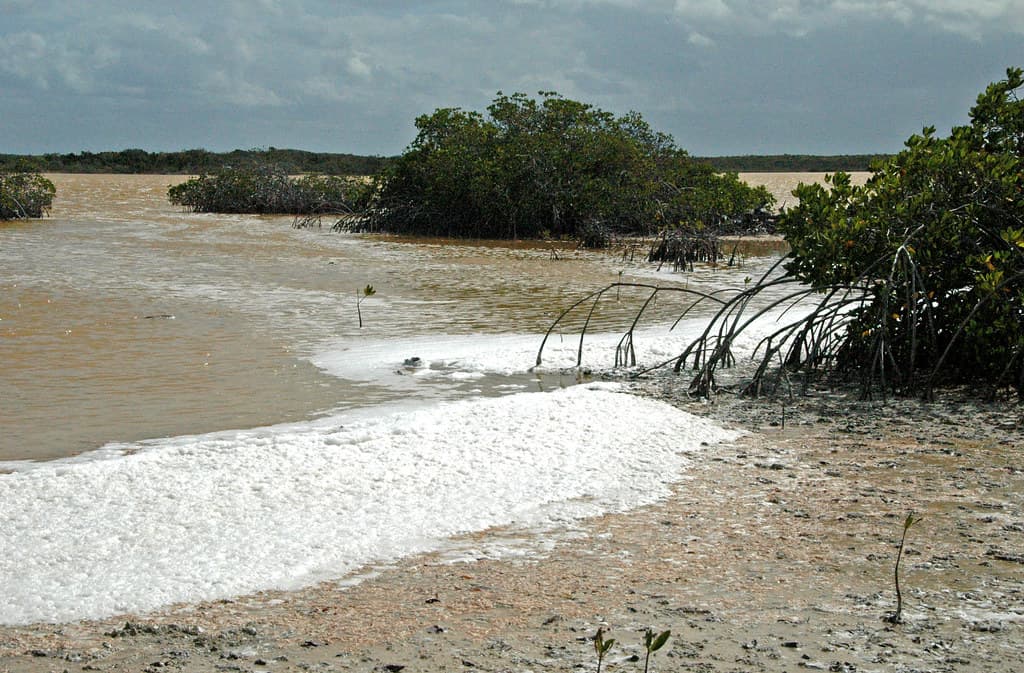
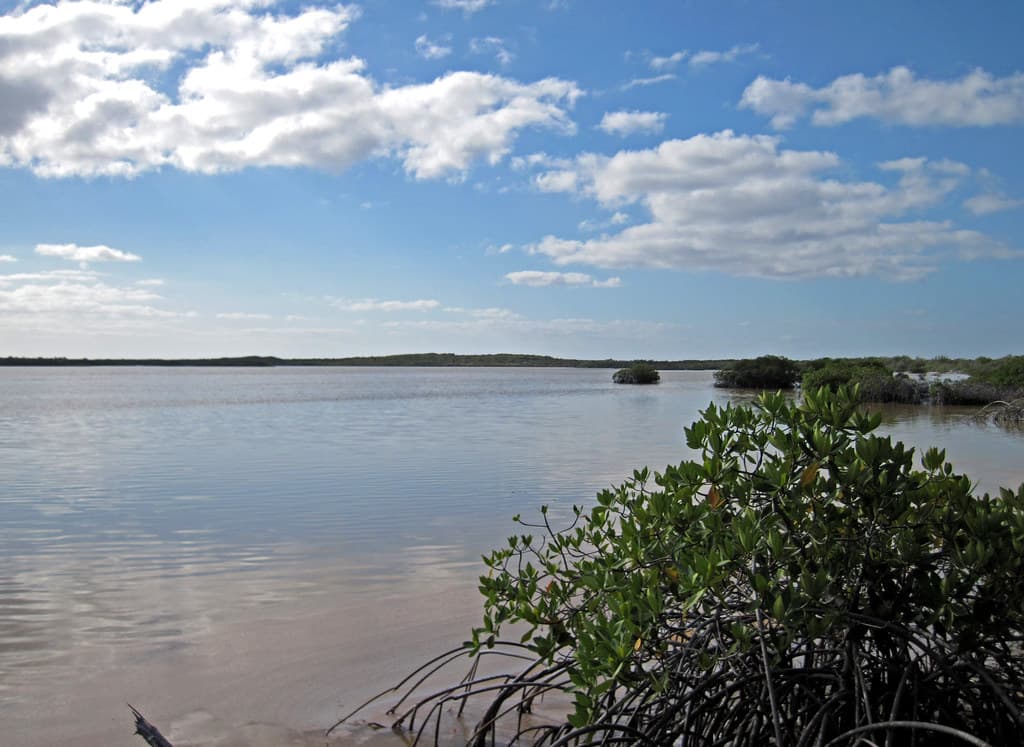
Horn Island Beach curves along the western edge of this small Torres Strait outpost, where the sand shifts from beige to rust-ochre depending on the tide's retreat. You'll walk stretches of firm, damp sand at low tide, avoiding the sharp edges of bleached coral skeletons and the occasional stonefish lurking in shallow pools. The water is never gin-clear—silt from distant river mouths clouds the shallows—but that murkiness feeds the mangrove ecosystems and the dugongs that drift past at dawn.
The island carries the weight of wartime history; bunkers and gun emplacements still dot the scrub behind the beach, reminders of the 1942 Japanese air raids that turned this remote strip into a frontline. Local Kaurareg elders lead cultural tours that trace songlines along the shore, pointing out middens centuries old and teaching visitors to read the tide like a clock. The beach itself serves as the island's social artery—fishermen haul in Spanish mackerel at sunrise, kids dive off the community jetty at noon, and fruit bats swoop low over the tideline at dusk.
Credit: FlickrWWII Bunker Trail
Credit: FlickrReef Flats Exploration
Gun emplacements above the shore
Wear reef shoes, watch tides
Roost on coastal mangrove stands
Where it is
Horn Island Beach
Horn Island, Queensland, Australia
-10.436400°, 142.242000°
Weather
Loading…
Swell
—
Temp
Warm · Restorative
UV Index
Moderate
Wind
—
Tidal State
Last known
Max Sunlight
—
Ideal Shade
—
May - Sep (Peak)
Jan - Dec (Off-season)
Historical data suggests peak visibility and stable sea temperatures occur during the prime visitation window.
Select a category to load nearby places.
Unlock restaurants, luxury stays and curated maritime experiences within 2km
Swimming at Horn Island Beach requires caution year-round due to the presence of marine stingers (jellyfish), particularly box jellyfish during the wet season (November to May). Crocodiles are also present in Torres Strait waters, so avoid swimming at dawn, dusk, or near creek mouths. There are no lifeguards or stinger nets, so wearing a stinger suit is highly recommended. Always check local conditions with island residents or your accommodation provider before entering the water, as conditions can vary.
Horn Island enjoys warm weather year-round, but the dry season (May to October) is generally preferred for visiting. During these months, you'll experience lower humidity, less rainfall, and calmer seas, making beach activities more enjoyable. The wet season (November to April) brings higher temperatures, humidity, and afternoon storms, though waters remain warm. Visibility for snorkeling tends to be better in the dry season when seas are clearer and winds are calmer.
Horn Island is accessible via a short flight from Cairns (approximately 2 hours) with commercial airlines like Qantas. The island is small and mostly walkable, though rental vehicles and bikes are available from local operators. From Horn Island's main settlement, beaches are within walking or short driving distance. There's no formal parking infrastructure at most beach access points. Some visitors also reach Horn Island via ferry from nearby Thursday Island, which takes around 10 minutes.
Horn Island has limited but adequate facilities, including a small supermarket, takeaway shops, and the Gateway Torres Strait Resort, which offers meals and drinks. Several smaller lodges and guesthouses provide accommodation options. Facilities are basic compared to mainland resorts, so visitors should stock up on supplies in Cairns if they have specific needs. The island has a bakery and café serving casual meals. Book accommodation well in advance, especially during peak season, as options are limited on this remote island.
Yes, Horn Island has significant World War II history and several accessible heritage sites near the beaches. The island served as an important Allied base during WWII, and remnants including gun emplacements, bunkers, and aircraft wrecks remain scattered around the island. The Heritage Museum in the main settlement displays wartime artifacts and photographs. Local tour operators offer guided historical tours that combine beach access with visits to these sites, providing insight into the island's strategic military importance during the Pacific campaign.
Photos