
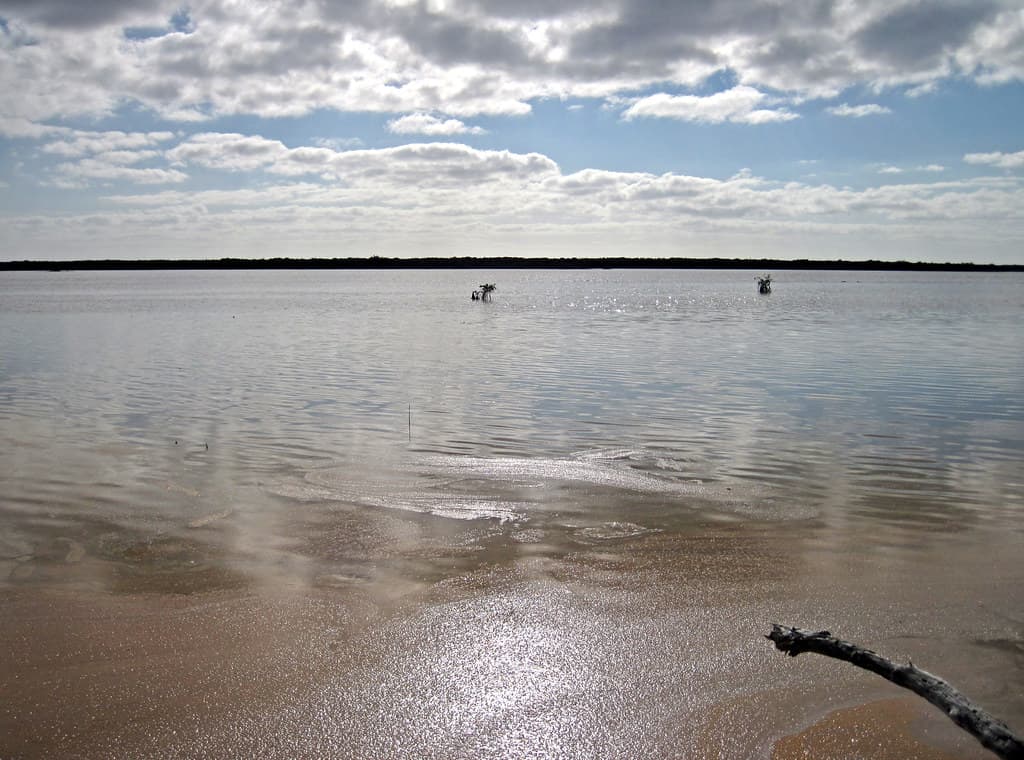
Horn Island Beach curves along the western edge of this small Torres Strait outpost, where the sand shifts from beige to rust-ochre depending on the tide's retreat. You'll walk stretches of firm, damp sand at low tide, avoiding the sharp edges of bleached coral skeletons and the occasional stonefish lurking in shallow pools. The water is never gin-clear—silt from distant river mouths clouds the shallows—but that murkiness feeds the mangrove ecosystems and the dugongs that drift past at dawn.
“One of the few beaches in Australia where Torres Strait Islander culture and wartime archaeology coexist along a single, lived-in shoreline.”
 Credit: Flickr
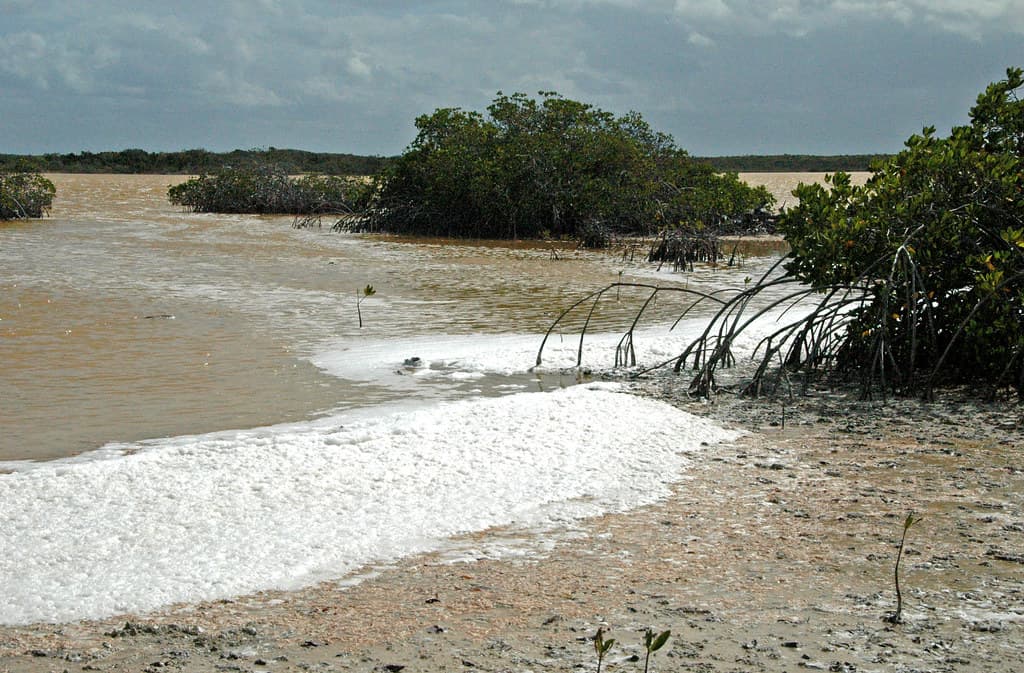
Lake foam along the shoreline of Storr's Lake (San Salvador Island, Bahamas) 3
The island carries the weight of wartime history; bunkers and gun emplacements still dot the scrub behind the beach, reminders of the 1942 Japanese air raids that turned this remote strip into a frontline. Local Kaurareg elders lead cultural tours that trace songlines along the shore, pointing out middens centuries old and teaching visitors to read the tide like a clock. The beach itself serves as the island's social artery—fishermen haul in Spanish mackerel at sunrise, kids dive off the community jetty at noon, and fruit bats swoop low over the tideline at dusk.
You won't find resorts or beach clubs here. Instead, there's the hum of generators, the smell of diesel from work boats, and the easy rhythm of an island that exists for its residents first, visitors second. Pack reef shoes, respect the cultural protocols, and prepare for a beach experience defined by remoteness rather than luxury.


