Counting the waves…
Counting the waves…
A refined fusion of water purity, environmental stability, and communal vibrancy for Shorncliffe Beach.
View MethodologyAnalyzed via live sensors and environmental data.
Wave height, wind, and atmospheric stability.
Live footfall and crowd balance metrics.
Community reviews and curated sentiment.
“You'll walk planks worn smooth by generations of fishermen, past iron lampposts that hum in the salt wind. At low tide, the bay retreats half a kilometre, leaving rippled sand flats where families wade in ankle-deep…”
Higher weekend density may affect water purity and crowd scores temporarily.
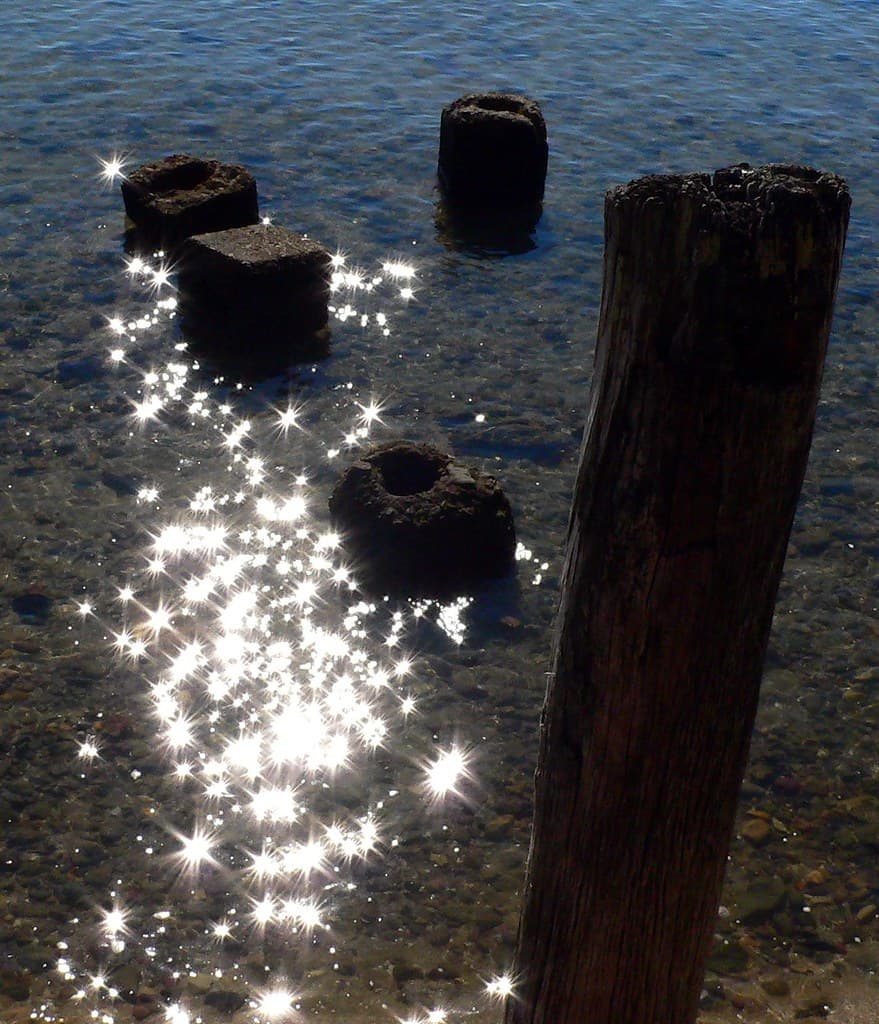
The 1895 pier at Shorncliffe runs 350 metres into Bramble Bay on pylons blackened by more than a century of tides. You'll hear the hollow thunk of footsteps on hardwood decking, watch anglers lean against wrought-iron railings with hand lines trailing into the current. On the sand below, Norfolk pines cast long shadows across picnic blankets, and the smell of onions from the nearby surf club drifts through the sound of kookaburras.
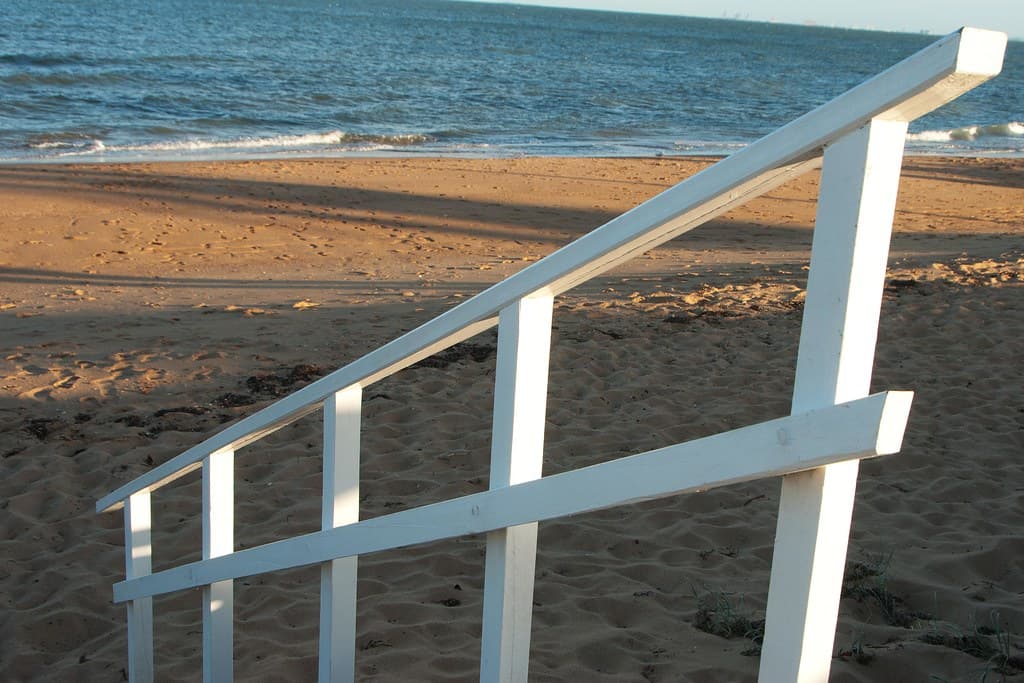
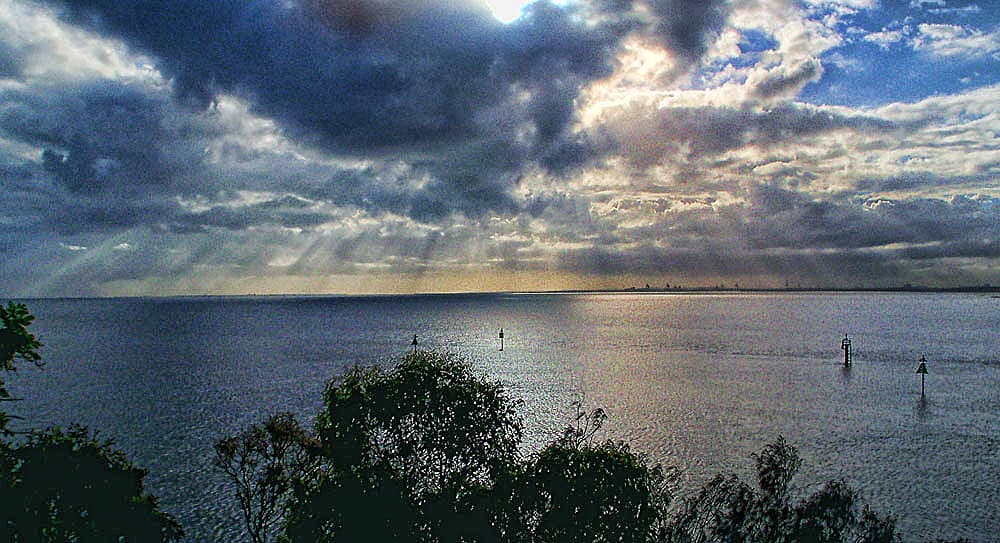
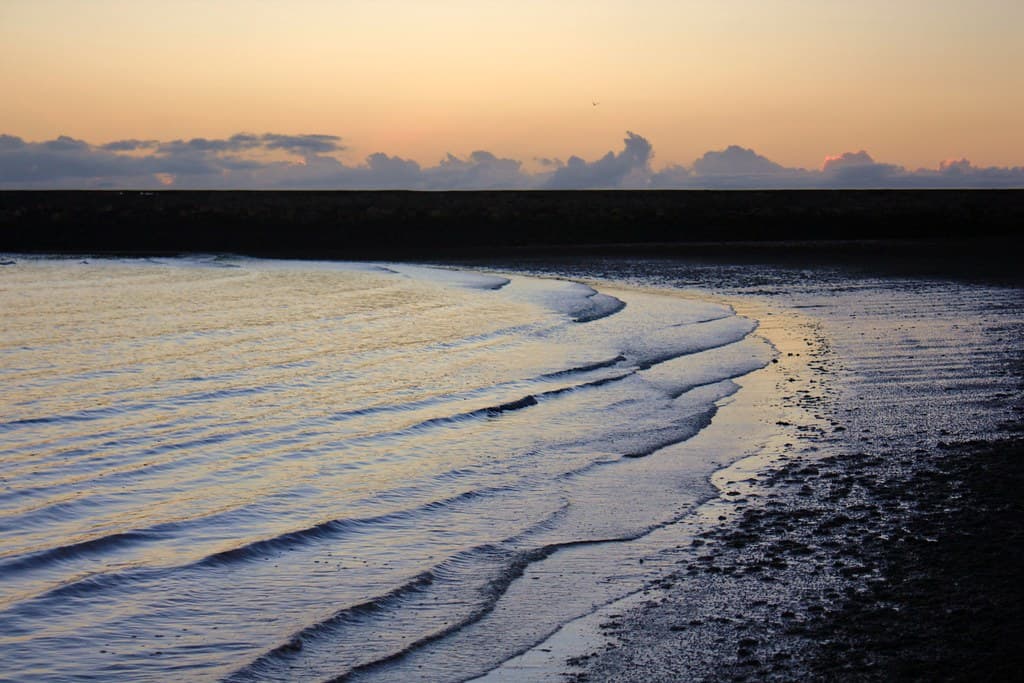
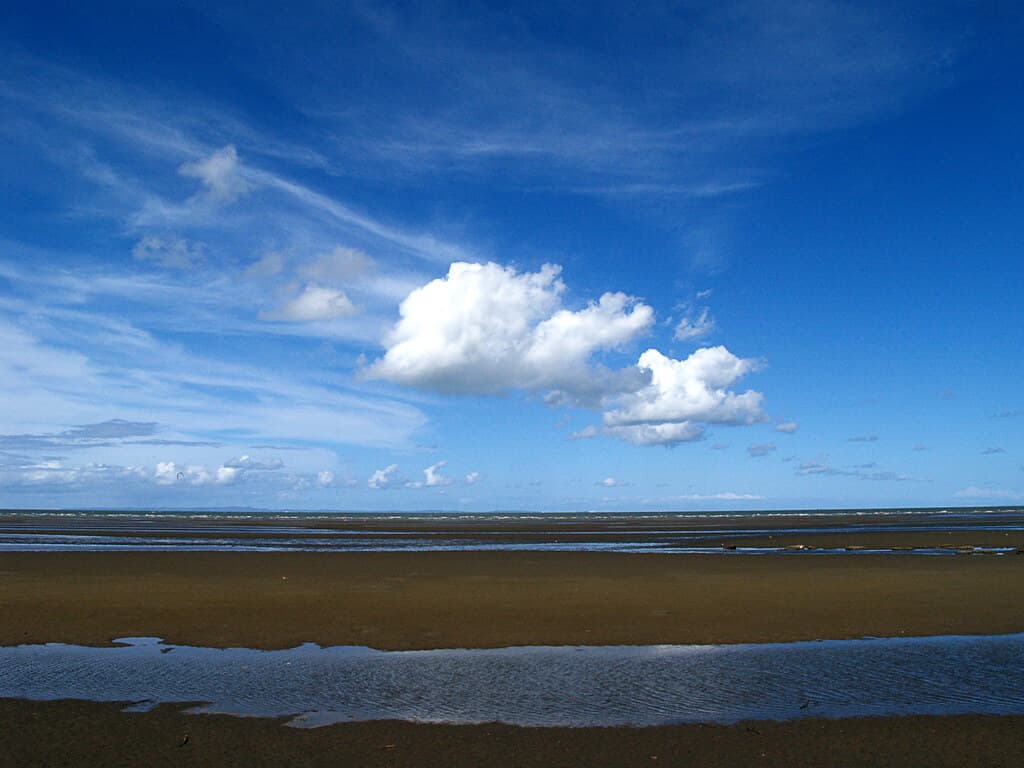
This is Brisbane's bayside, not its surf coast—waves here are rare, the water a murky green-brown stirred by Moreton Bay currents. What Shorncliffe offers instead is space: at low tide, the sea pulls back to expose vast flats where toddlers chase soldier crabs and paddleboarders glide over barely submerged sand. The shallow gradient means you can walk out for ten minutes and still stand waist-deep.
Credit: FlickrWalk the Pier
Credit: FlickrWade the Flats
350 metres over Bramble Bay
Low tide reveals endless sandbars
Iron lampposts and weatherboard verandahs
Where it is
Shorncliffe Beach
Shorncliffe, Queensland, Australia
-27.325600°, 153.081400°
Weather
Loading…
Swell
—
Temp
Warm · Restorative
UV Index
Moderate
Wind
—
Tidal State
Last known
Max Sunlight
—
Ideal Shade
—
Jan - Dec (Peak)
Mar - Nov (Off-season)
Historical data suggests peak visibility and stable sea temperatures occur during the prime visitation window.
Select a category to load nearby places.
Unlock restaurants, luxury stays and curated maritime experiences within 2km
Shorncliffe Beach is generally safe for swimming, though it's a calm bay beach rather than a patrolled surf beach. The water is typically shallow and protected, making it suitable for families with children. Be aware that the area experiences significant tidal changes, which can expose mudflats at low tide. There are no lifeguards on duty, so swim at your own risk and always supervise children. Check tide times before visiting if you plan to swim, as high tide offers the best conditions with deeper water along the shoreline.
Shorncliffe Beach is enjoyable year-round due to Brisbane's subtropical climate. Summer (December-February) offers warm weather perfect for swimming, though it can be humid with occasional afternoon storms. Winter (June-August) provides mild, sunny days ideal for walking the heritage pier and promenade, with temperatures around 20-25°C. Weekday mornings are quieter, while weekends attract more families. Check tide schedules before visiting, as high tide is essential for swimming. Early mornings and late afternoons offer beautiful bay views and are popular with photographers and sunset watchers.
Shorncliffe Beach is easily accessible by train on the Shorncliffe line from Brisbane CBD, taking about 40 minutes to Shorncliffe Station, followed by a short walk to the beach. If driving from Brisbane, take Sandgate Road through Clayfield and Nundah. Free street parking is available along Yundah Street and surrounding streets near the beach, though spaces can fill quickly on weekends and public holidays. There's also parking near the Shorncliffe Pier. The beach is approximately 20 kilometres north of Brisbane's city centre.
Shorncliffe offers several cafes and restaurants along Yundah Street and near the foreshore, ranging from casual fish and chips to sit-down dining with bay views. Popular spots include waterfront cafes perfect for breakfast or lunch. The area has public toilets, picnic tables, barbecue facilities, and a children's playground. While accommodation directly at Shorncliffe is limited, nearby Sandgate (a short drive away) offers more dining options. Brighton, the neighbouring suburb, also has additional cafes and shops within easy reach of the beach.
Yes, the historic Shorncliffe Pier is open to the public and is one of the beach's main attractions. Built in 1882, this heritage-listed wooden pier extends about 350 metres into Bramble Bay and offers stunning views back to the mainland and across to Moreton Island. It's popular for fishing, walking, and photography, especially at sunset. The pier's vintage charm and peaceful atmosphere make it a favourite spot for locals and visitors alike. The surrounding area features Norfolk pines and heritage buildings that add to the nostalgic seaside character.
Photos