
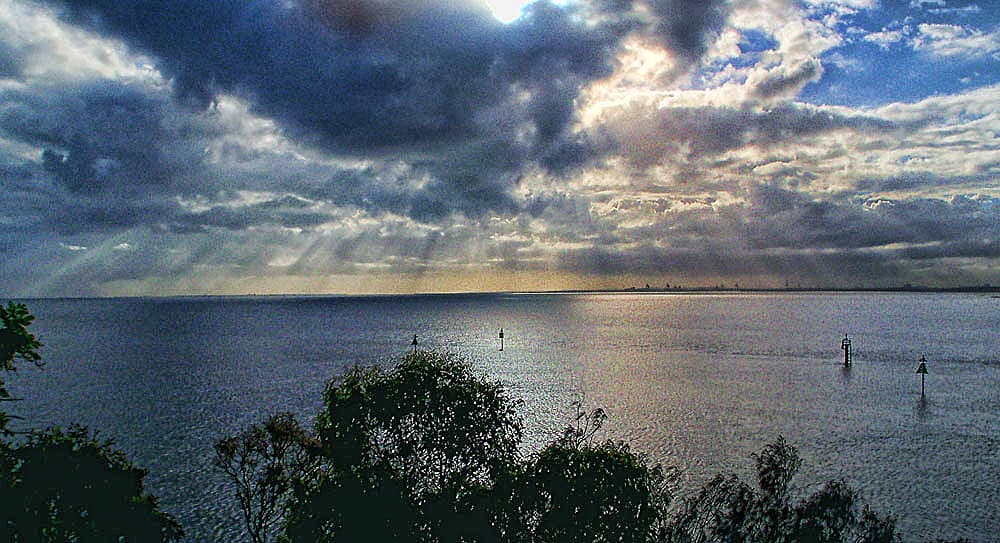
The 1895 pier at Shorncliffe runs 350 metres into Bramble Bay on pylons blackened by more than a century of tides. You'll hear the hollow thunk of footsteps on hardwood decking, watch anglers lean against wrought-iron railings with hand lines trailing into the current. On the sand below, Norfolk pines cast long shadows across picnic blankets, and the smell of onions from the nearby surf club drifts through the sound of kookaburras.
“The 1895 timber pier remains Queensland's longest recreational jetty, a working piece of Edwardian infrastructure still central to daily bayside life.”
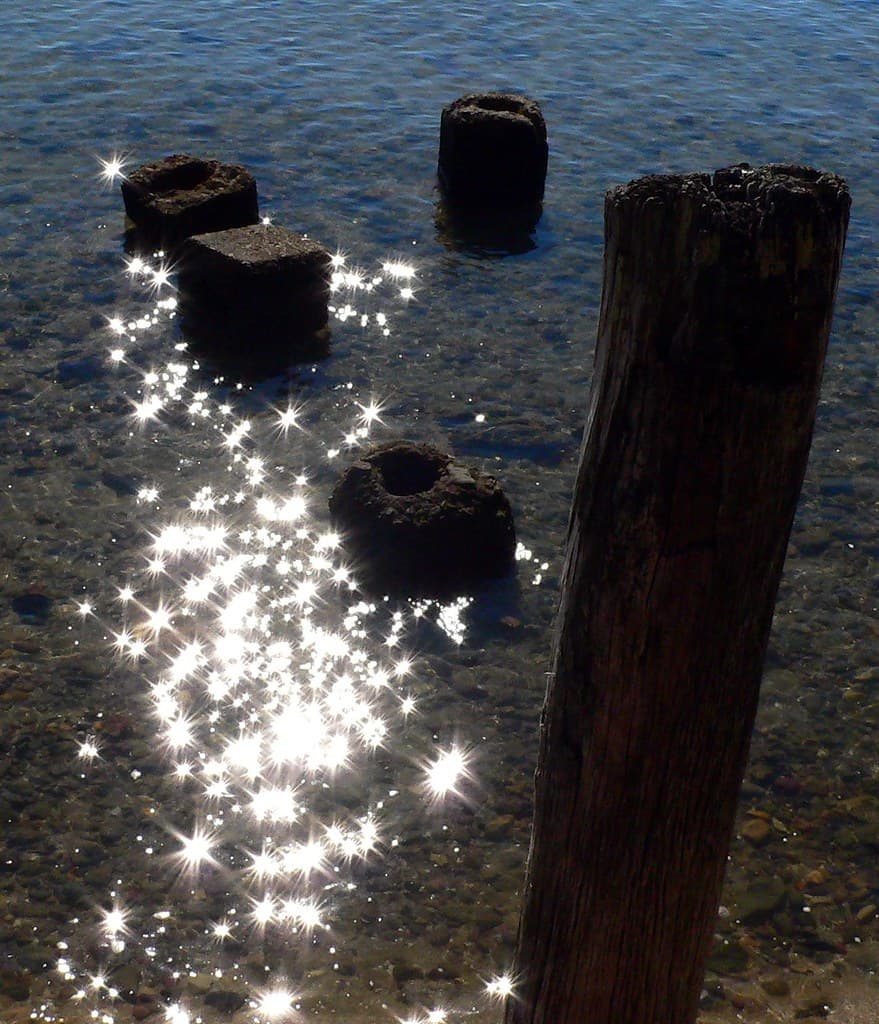 Credit: Flickr
old remains at Shorncliffe
This is Brisbane's bayside, not its surf coast—waves here are rare, the water a murky green-brown stirred by Moreton Bay currents. What Shorncliffe offers instead is space: at low tide, the sea pulls back to expose vast flats where toddlers chase soldier crabs and paddleboarders glide over barely submerged sand. The shallow gradient means you can walk out for ten minutes and still stand waist-deep.
The village behind the beach—weatherboard cafés, a 1920s memorial rotunda, the heritage-listed Yundah House—retains the feel of a Victorian seaside resort that never quite modernised. Locals arrive before seven to swim the pier circuit. By midmorning, the grassed foreshore fills with prams and portable gazebos. It's not dramatic coastline, but it is deeply, stubbornly Brisbane: tidal, unpretentious, and woven into the weekly rhythms of the northside suburbs.


