
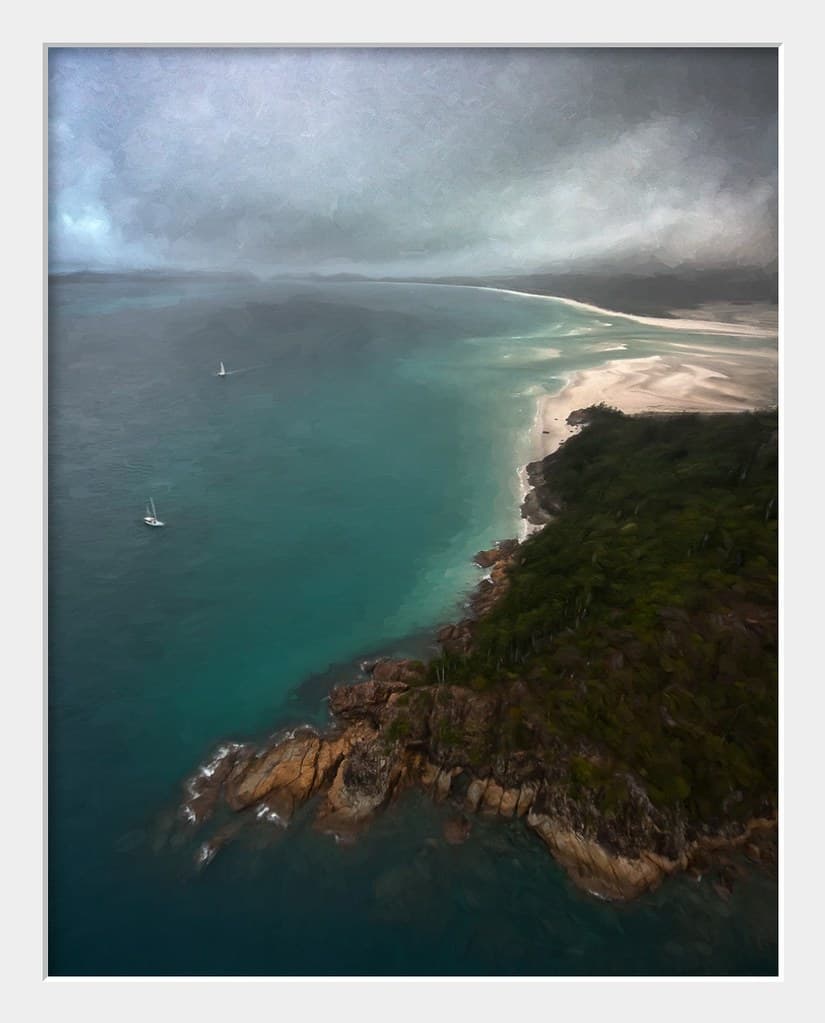
The sand beneath your feet at Hill Inlet isn't ordinary beach sediment—it's 98-percent pure silica, fine as powdered sugar and bright enough to make you squint even through sunglasses. As the tide retreats across Tongue Bay, it sculpts this white sand into curves and channels that shift daily, creating marbled patterns visible from the lookout trail above. The inlet sits on the northern edge of Whitsunday Island, sheltered from the Coral Sea's swells, so the water here lies calm, layering shades of turquoise over the pale bottom like watercolor on silk.
“Hill Inlet's swirling sand patterns reconfigure with every tidal shift, ensuring no two visits reveal the same design.”
 Credit: Flickr
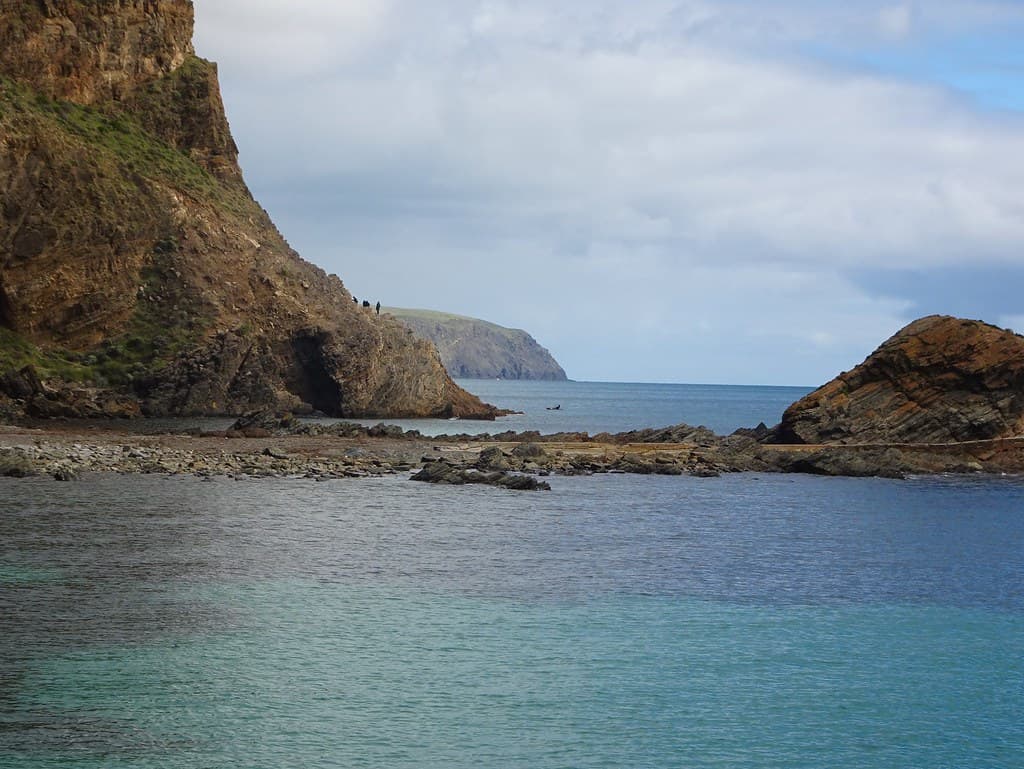
Second Valley Fleurieu Peninsula. Looking towards Rapid Bay the next coastal inlet.
Most visitors first glimpse Hill Inlet from the air—seaplanes and helicopters orbit above to let passengers photograph the swirls—but standing at the lookout after a forty-minute uphill walk delivers a quieter thrill. Below, the forest meets the shore in a tangle of paperbarks and pandanus palms. Arriving at low tide lets you wade into the inlet itself, where the water barely reaches your knees and the sand feels cool and squeaky underfoot.
No facilities exist here—no kiosks, no lifeguards, no shade umbrellas. Pack everything in and out. The isolation is deliberate: Whitsunday Island is uninhabited national park, protected since 1936. What you bring back are photographs, footprints erased by the next tide, and the memory of standing inside a landscape you've seen in a thousand travel feeds but never quite believed was real.


