Counting the waves…
Counting the waves…
A refined fusion of water purity, environmental stability, and communal vibrancy for Vivonne Bay Beach.
View MethodologyAnalyzed via live sensors and environmental data.
Wave height, wind, and atmospheric stability.
Live footfall and crowd balance metrics.
Community reviews and curated sentiment.
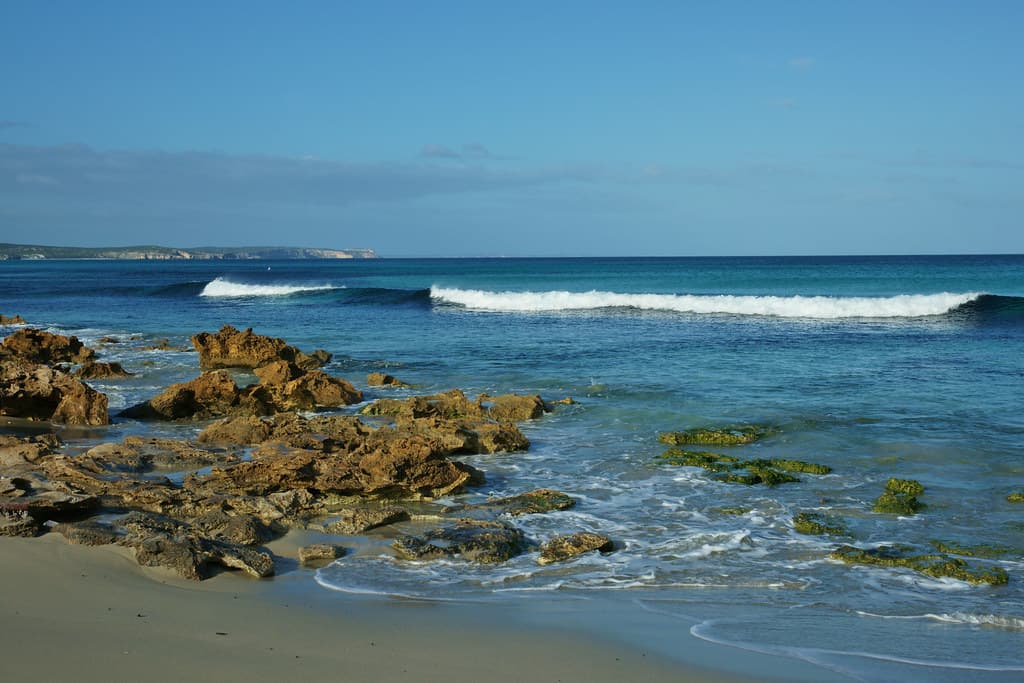
“You'll walk barefoot across sand so white it squeaks beneath your toes, while southern swells roll in jade-green and cool against your ankles. This vast crescent on Kangaroo Island's exposed coast feels like the edge of…”
Limited recent visitor reports — live OBI telemetry is your best guide for current conditions.
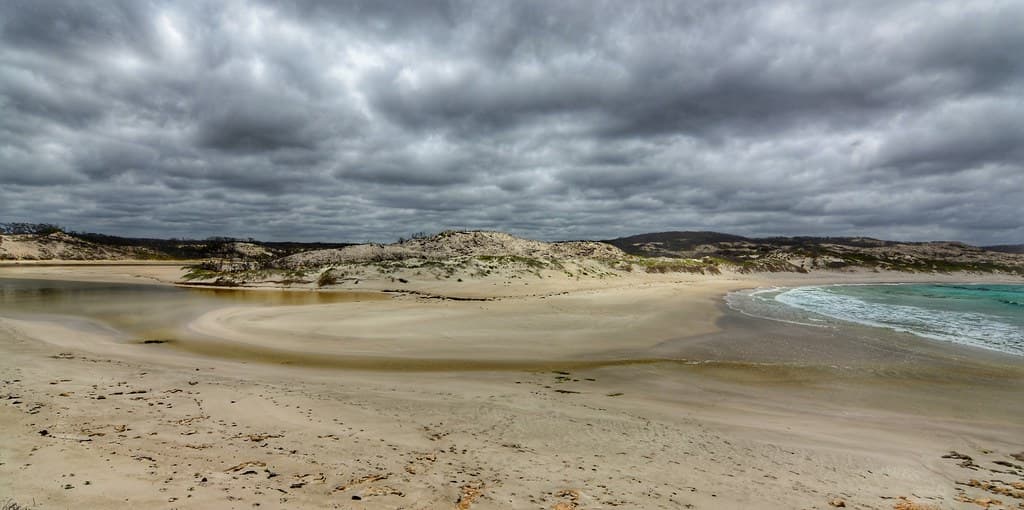
The drive from Kingscote takes you through eucalyptus forests and past mob after mob of western grey kangaroos before the road drops toward the coast. When you first glimpse Vivonne Bay, the contrast stops you: bone-white sand against water that shifts from peacock to navy depending on the clouds racing overhead. The beach stretches five kilometers, wide enough that even in peak summer you'll find sections where the only footprints are yours and those of the hooded plovers nesting in the dunes.
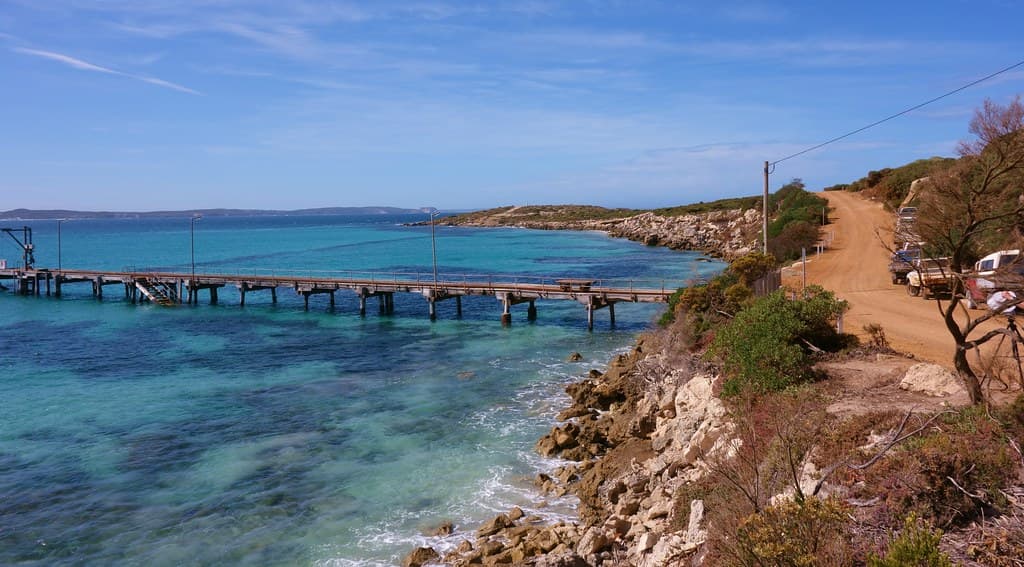
The water here is Southern Ocean-fed, bracingly cold even in January, but the gradual slope means you can wade out fifty meters and still touch bottom. Locals arrive at dawn with fishing rods, casting for salmon and mulloway from the eastern rocks. By midday, the nor'westers kick up, sending sand devils spinning across the beach and sculpting the dunes into knife-edge ridges. The general store near the boat ramp sells meat pies and milkshakes; grab both and eat on the weathered picnic tables overlooking the bay.
Credit: FlickrWade the Shallows
Gentle slope, cold Southern Ocean
Fur seals ride the shorebreak
Hot pastries near boat ramp
Where it is
Vivonne Bay Beach
Kingscote, South Australia, Australia
-35.906500°, 137.587000°
Weather
Loading…
Swell
—
Temp
Warm · Restorative
UV Index
Moderate
Wind
—
Tidal State
Last known
Max Sunlight
—
Ideal Shade
—
Jan - Dec (Peak)
Mar - Nov (Off-season)
Historical data suggests peak visibility and stable sea temperatures occur during the prime visitation window.
Select a category to load nearby places.
Unlock restaurants, luxury stays and curated maritime experiences within 2km
Vivonne Bay Beach is generally safe for swimming, with calm, clear waters protected by the bay. However, it's an unpatrolled beach, so swim at your own risk and stay within your depth. Conditions can vary, so check for rips and currents before entering. The gentle slope makes it suitable for families, but always supervise children. Stingrays occasionally frequent shallow waters, so shuffle your feet when entering. During winter months, water temperatures drop significantly, and conditions can become rougher with southerly swells.
Vivonne Bay Beach is stunning year-round, but summer (December-February) offers the warmest weather and best swimming conditions with temperatures averaging 20-26°C. The water is warmest from January to March. Autumn (March-May) brings pleasant weather with fewer crowds. Winter and spring can be cooler and windier, but the beach remains beautiful for walks and photography. For the best experience with comfortable swimming temperatures and good weather, visit between November and April. Early mornings offer the calmest conditions and best chance to see wildlife.
Vivonne Bay Beach is located on the south coast of Kangaroo Island, approximately 61 kilometers southwest of Kingscote and 40 kilometers from Penneshaw ferry terminal. Drive via Hog Bay Road and Vivonne Bay Road—the route is sealed but can be narrow and winding. Free parking is available at the beach access point with clearly marked car parks. A short walking track leads from the car park to the beach. Note that you'll need to take a ferry to Kangaroo Island from Cape Jervis, or fly to Kingscote airport.
The small township of Vivonne Bay has limited but quality options. The Vivonne Bay General Store offers basic supplies, takeaway food, and fish and chips. For more dining variety, head to Kingscote or American River. Accommodation includes holiday houses, beach shacks, and the Vivonne Bay Lodge. Nearby camping is available at designated areas. The beach has basic facilities including toilets and a picnic shelter, but no cafes or restaurants directly on-site. It's advisable to bring your own food and drinks, especially during peak season.
Vivonne Bay Beach offers excellent wildlife viewing opportunities typical of Kangaroo Island. Dolphins frequently visit the bay and can often be spotted from shore, especially in the early morning. Sea lions occasionally haul out on the beach, though this is more common at nearby Seal Bay. The surrounding dunes and bushland host kangaroos, wallabies, and diverse bird species including sea eagles and pelicans. In the water, you might encounter stingrays in the shallows. Always observe wildlife from a respectful distance and never approach or feed animals.
Photos