
The final stretch to Murray Lagoon Beach is a commitment: the corrugated track rattles your suspension, and the last kilometer feels longer than it is. But when the scrub opens to reveal this two-kilometer sweep of sand, you understand why so few make the journey. Driftwood the size of small trees lies bleached and skeletal above the tideline. The beach curves gently south, backed not by dunes but by the state's largest permanent water body—a brackish lagoon separated from the ocean by a narrow strip of land.
“This is Kangaroo Island's only beach where a significant wetland ecosystem meets open ocean, creating a rare convergence zone for marine and freshwater bird species.”
 Credit: Flickr
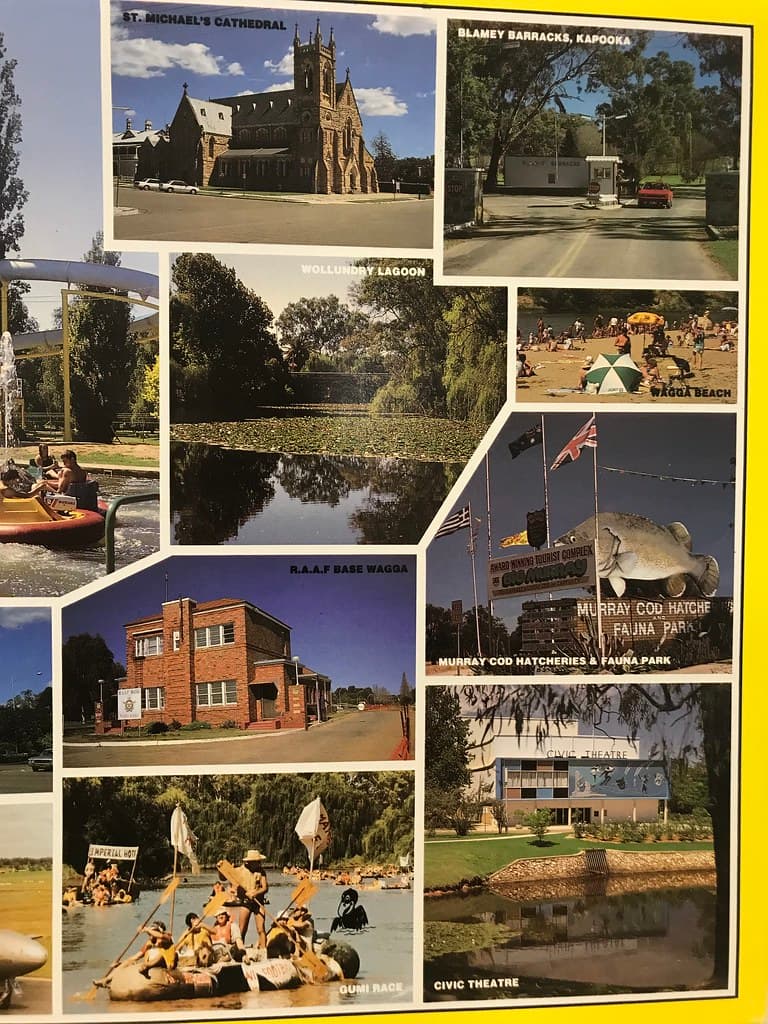
This is Your City Wagga Wagga Game, cover detail
You won't find amenities here. No bins, no benches, no changing rooms. What you will find are hundreds of bird species moving between lagoon and shore—pelicans gliding low over breakers, stilts picking along the shallows, the occasional sea eagle circling overhead. Bring binoculars. The lagoon side offers calm water thick with reeds; the ocean side delivers consistent swell that crashes onto firm sand, leaving foam patterns that shift with each retreat.
Timing matters less than preparation. The beach faces south into the Roaring Forties, so pack layers even in summer. The water stays cold year-round—14°C in winter, barely 18°C at its warmest. Most visitors come for an hour, maybe two, walking the length of the beach before the wind picks up. The solitude is the point. On weekdays, you might share this coast with no one but the shorebirds.


