
Counting the waves…
Counting the waves…
A refined fusion of water purity, environmental stability, and communal vibrancy for Falmouth Beach.
View MethodologyAnalyzed via live sensors and environmental data.
Wave height, wind, and atmospheric stability.
Live footfall and crowd balance metrics.
Community reviews and curated sentiment.
“You'll find Falmouth Beach tucked beside a working jetty on Tasmania's east coast, where the scent of salt and eucalyptus mingles over sand the color of bleached driftwood. Families spread blankets beneath she-oak trees…”
Limited recent visitor reports — live OBI telemetry is your best guide for current conditions.
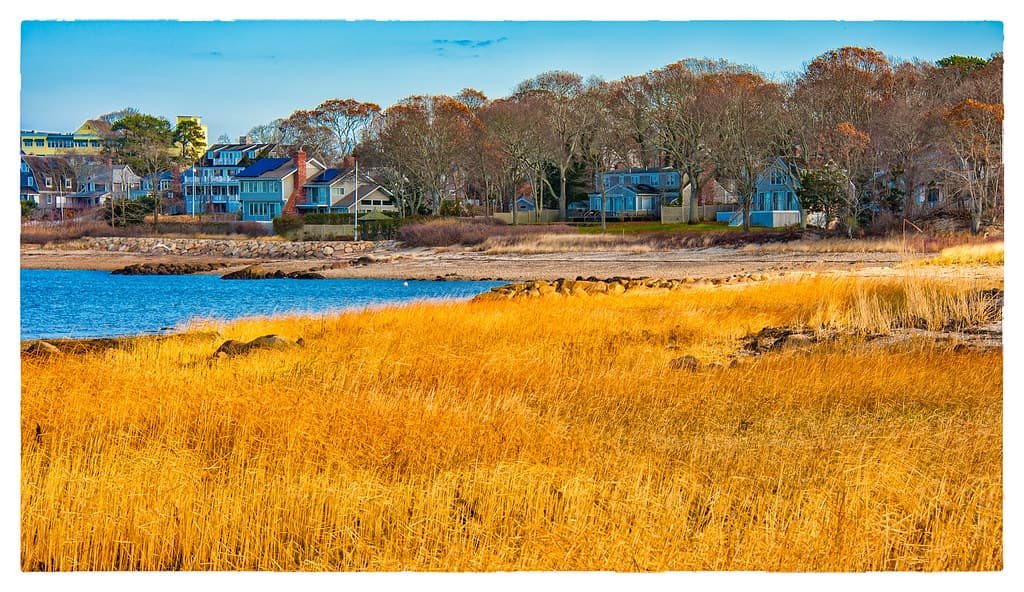
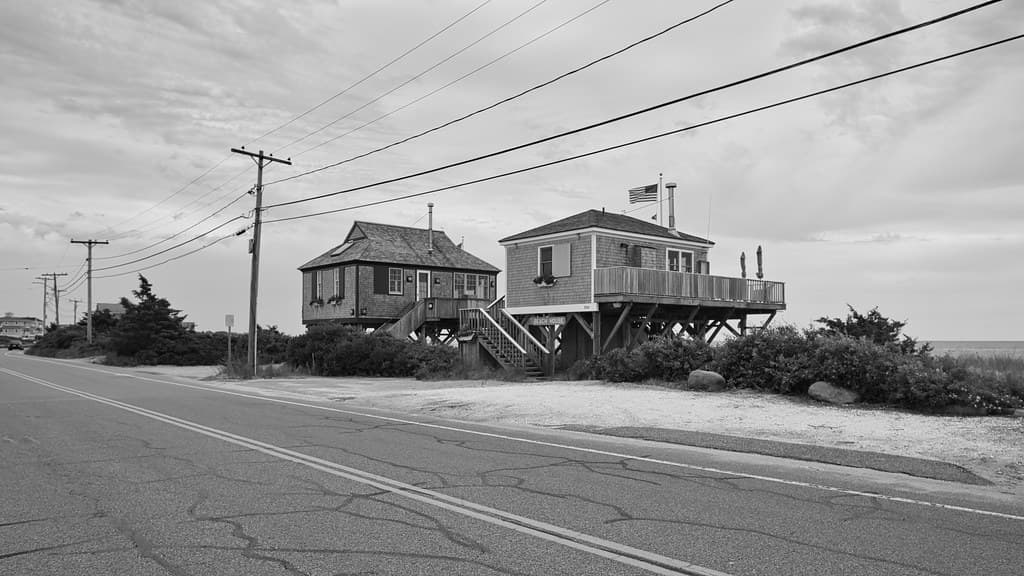
Pull off the Tasman Highway just north of St Helens and follow the gravel lane past weathered fishing shacks to this half-moon bay that locals guard like a secret recipe. The beach curves gently between rocky headlands, its fine white sand unmarred by crowds even in the height of summer. She-oaks fringe the shore, casting dappled shade over picnic tables where you'll smell sausages sizzling on portable grills come Sunday afternoon.
The water here is protected, making it one of the few east-coast Tasmanian beaches where you can wade out fifty meters and still touch bottom. Children chase darting fish in the shallows while their parents float on their backs, watching white-bellied sea eagles circle overhead. The jetty at the southern end creaks under the weight of anglers casting for flathead, their lines cutting silver arcs through the air.
Credit: FlickrWade the Shallows
Warm water, sandy bottom, safe
Clear views across Mercury Passage
Tables near the northern end
Where it is
Falmouth Beach
St Helens, Tasmania, Australia
-41.323300°, 148.212200°
Weather
Loading…
Swell
—
Temp
Warm · Restorative
UV Index
Moderate
Wind
—
Tidal State
Last known
Max Sunlight
—
Ideal Shade
—
Jan - Dec (Peak)
Mar - Nov (Off-season)
Historical data suggests peak visibility and stable sea temperatures occur during the prime visitation window.
Select a category to load nearby places.
Unlock restaurants, luxury stays and curated maritime experiences within 2km
Falmouth Beach is generally calm and suitable for swimming, particularly for families with children. The beach is sheltered within Georges Bay, which means it typically has gentler waves compared to ocean-facing beaches. However, there are no lifeguard patrols, so visitors should swim with caution and supervise children closely. Water conditions can vary with weather and tides, so always check local conditions before entering the water. The sandy bottom and gradual depth make it relatively safe for wading and paddling.
Falmouth Beach can be enjoyed year-round, though summer (December to February) offers the warmest weather for swimming and sunbathing. Tasmania's east coast generally experiences milder conditions and more sunshine than other parts of the state. Autumn (March to May) provides pleasant temperatures with fewer crowds, ideal for peaceful beach walks. Winter and spring can be cooler but still beautiful for scenic visits. The beach's sheltered location within Georges Bay means it's often more protected from wind than exposed coastal areas.
Falmouth Beach is located approximately 10 kilometres south of St Helens on the Tasman Highway. The beach is easily accessible by car, with a turn-off clearly marked from the main road. There is a small parking area directly adjacent to the beach, making it very convenient for families with beach equipment. The parking is informal and typically free. From St Helens, it's about a 10-minute drive. The beach access is straightforward, with minimal walking required from the car park to the sand.
Falmouth Beach has minimal on-site amenities, reflecting its unspoiled, local character. There are basic toilet facilities available, but no cafés, kiosks, or shops directly at the beach. Visitors should bring their own food, drinks, and beach supplies. The nearby town of St Helens, about 10 minutes away, offers supermarkets, cafés, restaurants, and various accommodation options including hotels, motels, and holiday rentals. It's best to plan ahead and pack everything you need for a day at this peaceful, undeveloped beach.
Falmouth Beach is notably quieter and less developed than the more popular beaches around St Helens, making it a favourite among locals seeking tranquility. Unlike the busier Binalong Bay or Bay of Fires beaches to the north, Falmouth offers a more secluded experience with fewer tourists. Its location within Georges Bay provides calmer, more sheltered waters ideal for families with young children. The beach maintains an unspoiled charm without commercial development, offering visitors a genuine taste of Tasmania's natural coastal beauty in a peaceful setting.
Photos