
Counting the waves…
Counting the waves…
A refined fusion of water purity, environmental stability, and communal vibrancy for Cape Woolamai Beach.
View MethodologyAnalyzed via live sensors and environmental data.
Wave height, wind, and atmospheric stability.
Live footfall and crowd balance metrics.
Community reviews and curated sentiment.
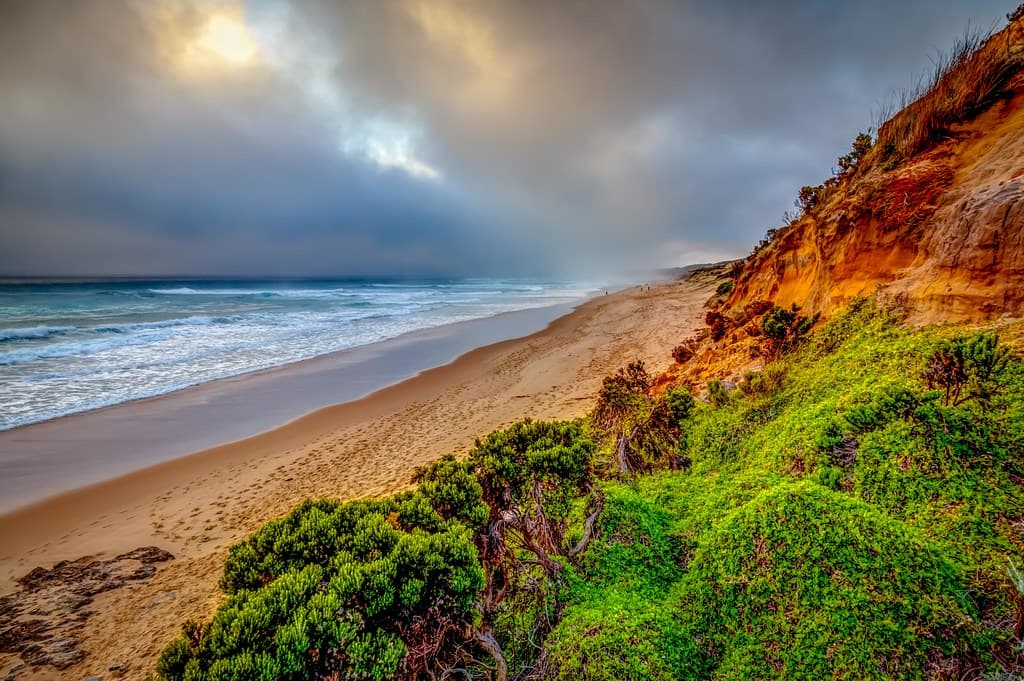
“You'll feel the Southern Ocean before you see it—wind pushing through coastal scrub, the distant percussion of waves hammering the reef. Cape Woolamai's arc of sand stretches beneath ochre cliffs, where the scent of…”
Limited recent visitor reports — live OBI telemetry is your best guide for current conditions.
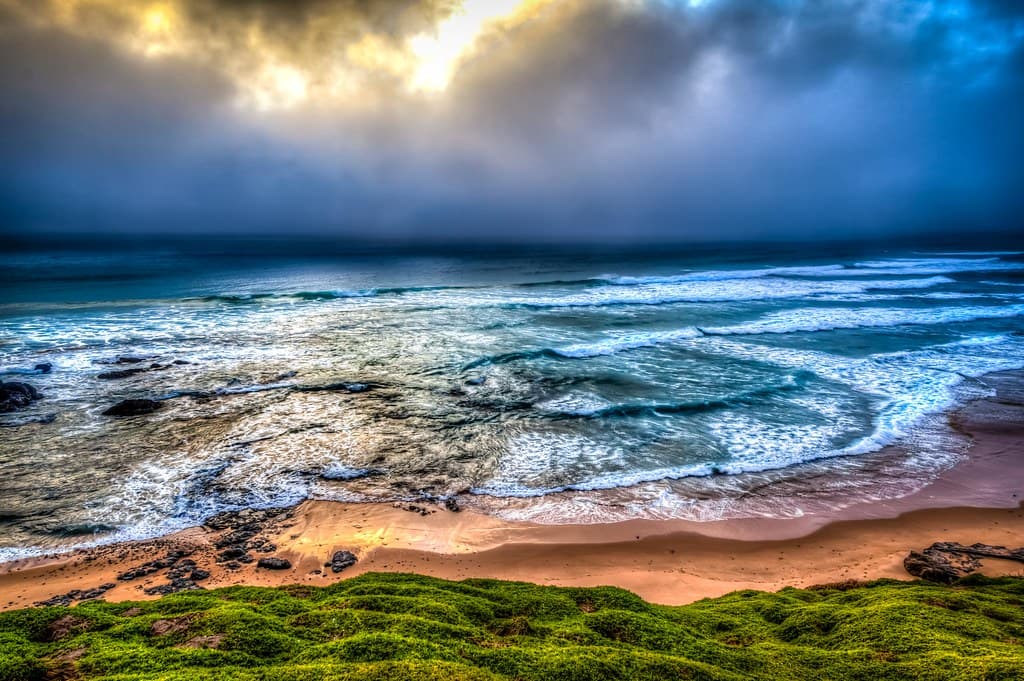
The walk from the car park winds through low heath where wallabies graze at dawn, and already you can hear the ocean's low roar. Round the final bend and the beach opens wide—a sweeping crescent where the Tasman meets Bass Strait in perpetual collision. The sand here isn't powder; it's coarse underfoot, studded with shell grit and dark mineral streaks, packed firm enough for long walks but yielding where the tide has just retreated.
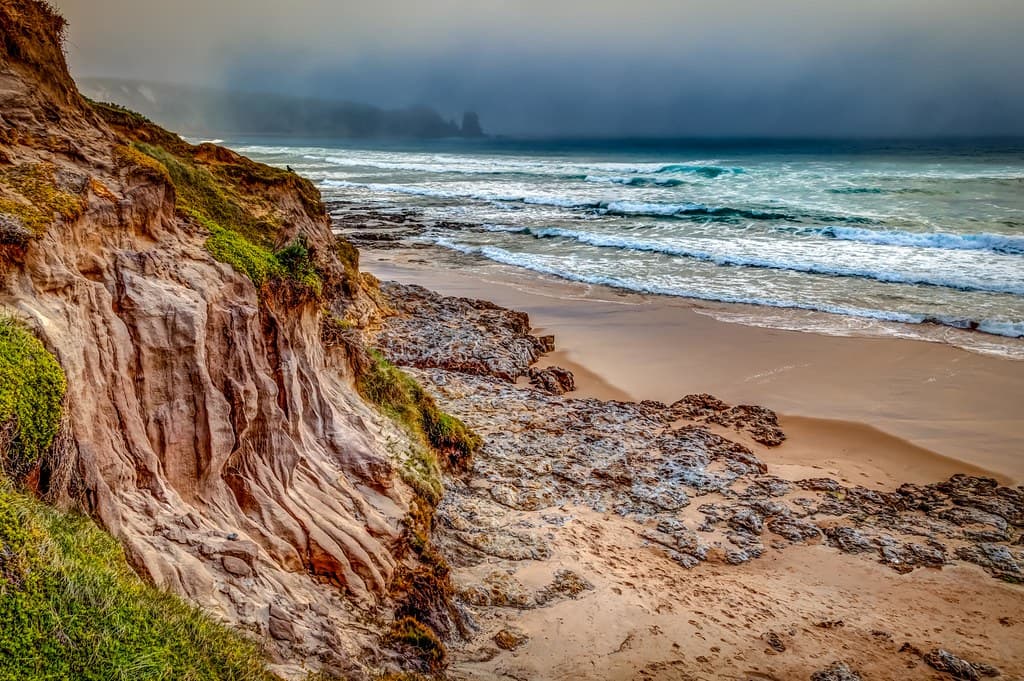
Surfers dot the lineup near the rocks, waiting for sets that march in with metronomic precision. Families stake out territory near the patrol flags, children squealing as shorebreak crashes ankle-deep, then retreats in a hiss of foam. The cliffs at the southern end glow amber in afternoon light, their layered sediment marking millennia of tidal memory. Gulls wheel overhead, and if you time it right in spring, you'll spot short-tailed shearwaters threading back to their clifftop burrows by the thousand.
Credit: FlickrRide the Reef
Credit: FlickrSummit the Pinnacles
Powerful right-handers near rocks
Granite peaks overlook Bass Strait
Thousands arrive at sunset
Where it is
Cape Woolamai Beach
Phillip Island, Victoria, Australia
-38.476500°, 145.311300°
Weather
Loading…
Swell
—
Temp
Warm · Restorative
UV Index
Moderate
Wind
—
Tidal State
Last known
Max Sunlight
—
Ideal Shade
—
Jan - Dec (Peak)
Mar - Nov (Off-season)
Historical data suggests peak visibility and stable sea temperatures occur during the prime visitation window.
Select a category to load nearby places.
Unlock restaurants, luxury stays and curated maritime experiences within 2km
Cape Woolamai Beach is known for strong currents, rips, and powerful surf, making it potentially dangerous for inexperienced swimmers. The beach is patrolled by surf lifesavers during summer months (typically December to April) on weekends and public holidays. Always swim between the red and yellow flags where lifeguards are present. The western end near the rocks is particularly hazardous. Check surf conditions before entering the water, and consider the calmer beaches on Phillip Island's northern side if you're swimming with young children or aren't confident in surf conditions.
Cape Woolamai Beach can be enjoyed year-round, with each season offering different experiences. Summer (December-February) is most popular for swimming and sunbathing, with temperatures reaching 20-25°C and patrolled swimming areas. Autumn and spring offer milder weather, fewer crowds, and excellent conditions for surfing and coastal walks. Winter (June-August) brings dramatic seas and is ideal for whale watching, though temperatures drop to 10-15°C. Sunset visits are spectacular any time of year. For swimming specifically, visit during lifeguard patrol periods in the warmer months.
Cape Woolamai Beach is located on the southeastern tip of Phillip Island, approximately 140km from Melbourne. Drive via the South Gippsland Highway and cross the Phillip Island Bridge, then follow signs to Woolamai. The beach has multiple access points with car parks: the main Surf Beach car park off Coral Street, and Cape Woolamai car park near the walking track. Parking is free but can fill quickly during summer weekends and holidays. Public transport options are limited; most visitors arrive by car. The drive from Cowes takes about 15 minutes.
The Cape Woolamai township offers several dining options including cafes, takeaway shops, and the Woolamai Beach Surf Life Saving Club which has a bistro open to the public. For more extensive dining choices, Cowes (15 minutes away) has numerous restaurants and cafes. Accommodation ranges from holiday rentals and beachfront apartments in Cape Woolamai to caravan parks nearby. The Phillip Island Tourist Road between Woolamai and Cowes features additional motels and lodges. Basic facilities at the beach include public toilets and outdoor showers, but no kiosks directly on the sand.
While little penguins do nest in the dunes and rocky areas around Cape Woolamai Beach, this is not the location of the famous Penguin Parade viewing platform, which is at Summerland Beach on the opposite side of Phillip Island. Penguins may occasionally be spotted at Cape Woolamai at dusk returning to burrows, but public access to nesting areas is restricted to protect the colonies. For guaranteed penguin viewing with proper facilities and interpretation, visit the Phillip Island Nature Parks Penguin Parade at Summerland Beach, approximately 15 minutes' drive from Cape Woolamai.
Photos