Counting the waves…
Counting the waves…
A refined fusion of water purity, environmental stability, and communal vibrancy for Coral Bay.
View MethodologyAnalyzed via live sensors and environmental data.
Wave height, wind, and atmospheric stability.
Live footfall and crowd balance metrics.
Community reviews and curated sentiment.
“You'll wade through bathwater-warm shallows where sergeant-major fish dart between staghorn formations just meters from shore. The Pilbara heat shimmers off red rock headlands while turtles cruise past your knees. Pack…”
Limited recent visitor reports — live OBI telemetry is your best guide for current conditions.
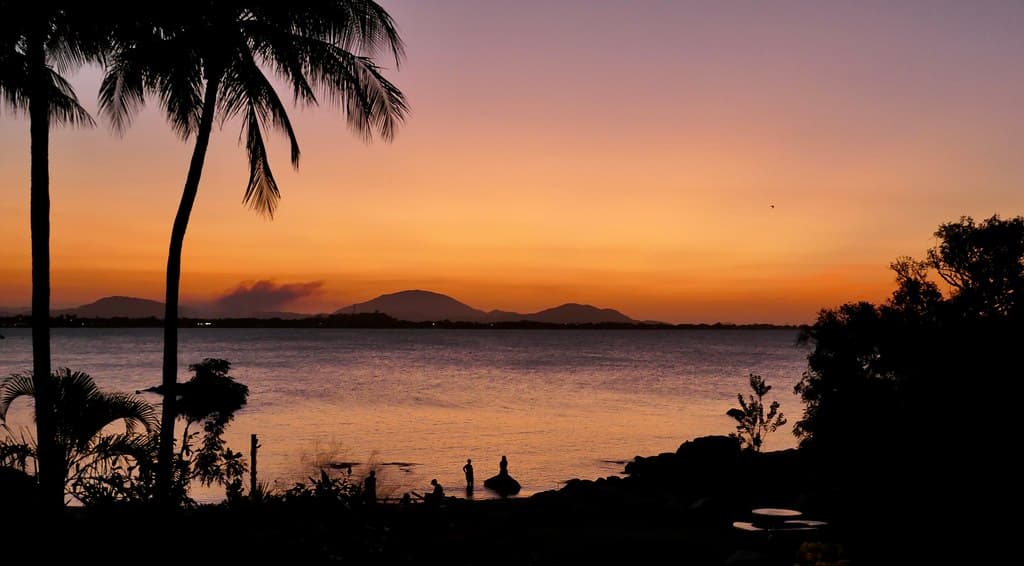
The drive from Karratha traces burnt-orange spinifex plains before the Indian Ocean reveals itself in shades you didn't know water could hold. At Coral Bay—not to be confused with its famous southern namesake—you'll step from powder-fine sand into shallows so clear you'll count every stripe on the butterflyfish circling your ankles. The fringing reef begins where most beaches end, creating a natural aquarium that stretches along the protected cove.
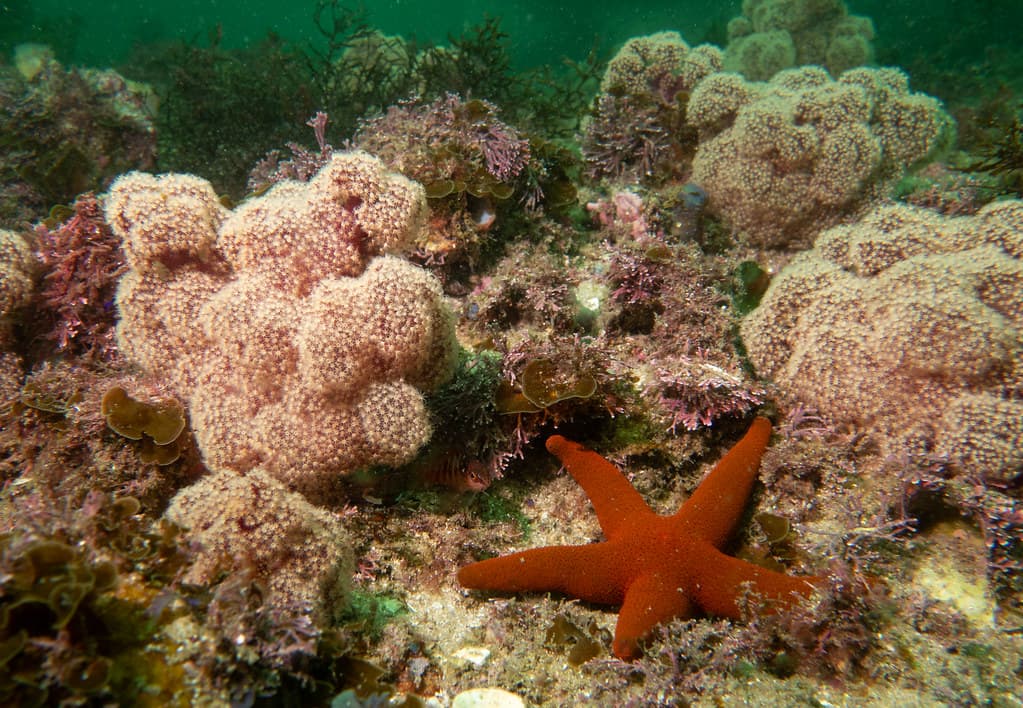
You're standing at the edge of the Ningaloo Reef system's northern reach, where hard corals have built gardens in water rarely deeper than your chest. Sergeant majors, parrotfish, and sweetlips navigate the bommies while you float above, mask down, watching stingrays settle into sand patches. The heat is relentless—the Pilbara doesn't do moderation—but the water stays swimmable year-round, hovering around 24°C even in winter.
Credit: FlickrWade the Reef
Credit: FlickrTurtle Spotting
Corals start at knee depth
Green turtles graze the shallows
Photograph stranded reef fish
Where it is
Coral Bay
Karratha, Western Australia, Australia
-23.158600°, 113.713900°
Weather
Loading…
Swell
—
Temp
Warm · Restorative
UV Index
Moderate
Wind
—
Tidal State
Last known
Max Sunlight
—
Ideal Shade
—
May - Sep (Peak)
Jan - Dec (Off-season)
Historical data suggests peak visibility and stable sea temperatures occur during the prime visitation window.
Select a category to load nearby places.
Unlock restaurants, luxury stays and curated maritime experiences within 2km
Coral Bay offers generally safe swimming conditions in its sheltered lagoon, particularly during calm weather. The shallow, protected waters make it suitable for families and snorkelers. However, always check local conditions before entering the water, as currents can strengthen during certain tides and weather patterns. Marine stingers may be present during warmer months (November-May), so consider wearing protective clothing. Be mindful of coral to avoid cuts and environmental damage. Swim between the flags when lifeguards are present and follow posted safety signs at the beach.
Coral Bay can be visited year-round, with each season offering different advantages. April to October brings cooler, dry weather with average temperatures around 20-28°C, ideal for beach activities and snorkeling with excellent visibility. November to March is warmer (25-35°C) with occasional cyclone activity and marine stingers, but also brings whale shark and manta ray season. Water temperatures remain pleasant throughout the year (22-27°C). For optimal conditions with fewer crowds, consider visiting during shoulder seasons in April-May or September-October when weather is mild and marine life is abundant.
Coral Bay is located approximately 1,200km north of Perth and 150km south of Exmouth. The most common route is driving along the North West Coastal Highway, turning off at the signposted Coral Bay Road. The journey from Perth takes around 12-14 hours, so most visitors break it into a multi-day trip. The nearest airports are in Learmonth (150km north) and Karratha (400km north). Once in Coral Bay town, the main beach is easily accessible on foot from most accommodations. Parking is available at the beachfront and nearby streets, with spaces generally free and readily available.
Coral Bay township offers a compact range of amenities within walking distance of the beach. Accommodation includes caravan parks, holiday units, and the Ningaloo Reef Resort. Several cafes, restaurants, and takeaway shops serve fresh seafood and casual dining options, though choices are limited compared to larger towns. A general store stocks basic groceries and supplies. Facilities include public restrooms, showers, and BBQ areas near the beach. For more extensive services and supplies, stock up in larger towns before arriving. Book accommodation well in advance, especially during peak season (June-October), as availability is limited.
Yes, Coral Bay is famous for its accessible shore snorkeling, with the Ningaloo Reef located just metres from the beach. You can wade directly from the sand into the shallow lagoon and see vibrant coral gardens, tropical fish, rays, and occasionally reef sharks and turtles. The best snorkeling is typically at the southern end of the bay near the reef edge. The calm, clear waters and proximity of the reef make it perfect for beginners and families. Snorkel gear can be rented from local shops if you don't have your own. Always practice reef-safe snorkeling by avoiding contact with coral.
Photos