
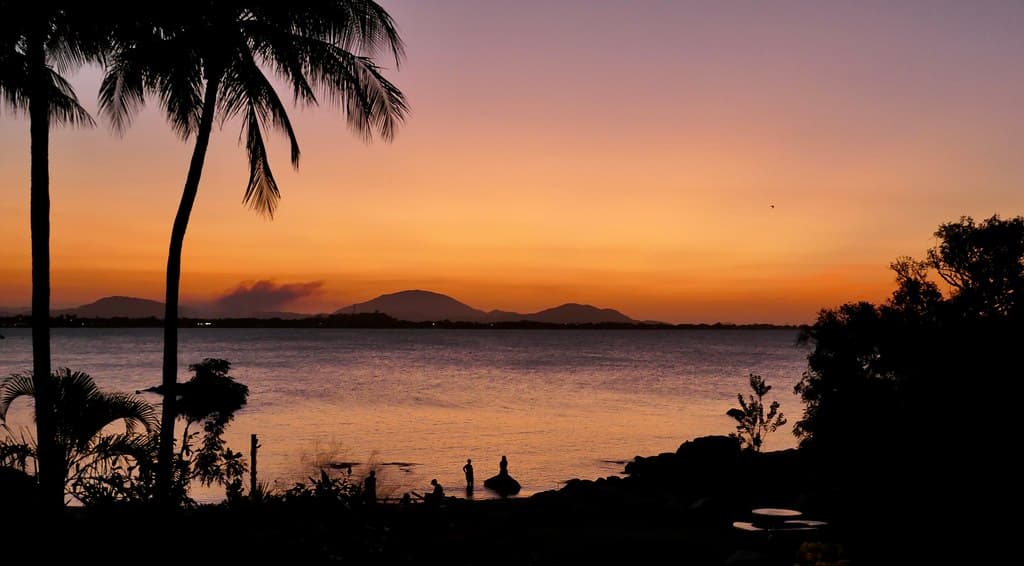
The drive from Karratha traces burnt-orange spinifex plains before the Indian Ocean reveals itself in shades you didn't know water could hold. At Coral Bay—not to be confused with its famous southern namesake—you'll step from powder-fine sand into shallows so clear you'll count every stripe on the butterflyfish circling your ankles. The fringing reef begins where most beaches end, creating a natural aquarium that stretches along the protected cove.
“The northernmost accessible fringing reef on Ningaloo, where desert heat meets living coral you can touch from shore.”
 Credit: Flickr
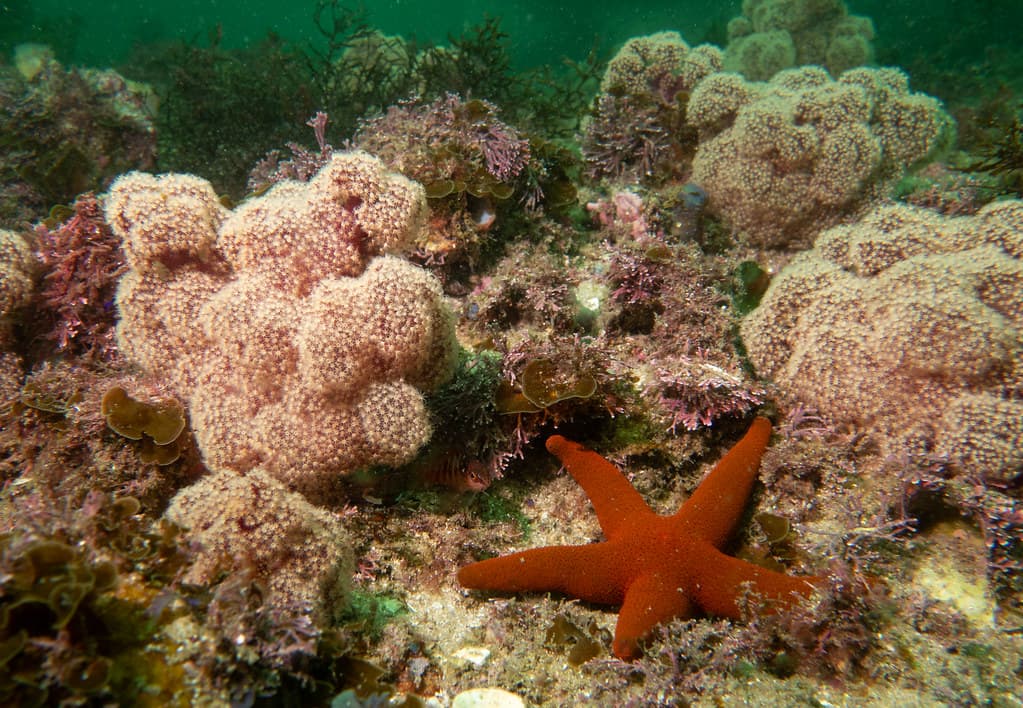
Sea star among soft corals
You're standing at the edge of the Ningaloo Reef system's northern reach, where hard corals have built gardens in water rarely deeper than your chest. Sergeant majors, parrotfish, and sweetlips navigate the bommies while you float above, mask down, watching stingrays settle into sand patches. The heat is relentless—the Pilbara doesn't do moderation—but the water stays swimmable year-round, hovering around 24°C even in winter.
Low tide transforms the bay into a wading pool punctuated by coral heads, their polyps visible in the afternoon light. You'll want water shoes; the reef doesn't care about your tender feet. By midday, the few other visitors retreat to shade, leaving you with the herons stalking the shallows and the rhythmic slap of small waves against ancient rock. This is the Pilbara's softer side, where iron-ore country meets living reef in a collision that somehow works.


