

Counting the waves…
Counting the waves…
A refined fusion of water purity, environmental stability, and communal vibrancy for East Channel Barrier Beach.
View MethodologyAnalyzed via live sensors and environmental data.
Wave height, wind, and atmospheric stability.
Live footfall and crowd balance metrics.
Community reviews and curated sentiment.
“Discover the East Channel Barrier Beach, a rarely seen sliver of sand forming part of the Mackenzie Delta's intricate dance with the Beaufort Sea. This isn't your typical beach; it's a testament to the Arctic's raw,…”
Limited recent visitor reports — live OBI telemetry is your best guide for current conditions.
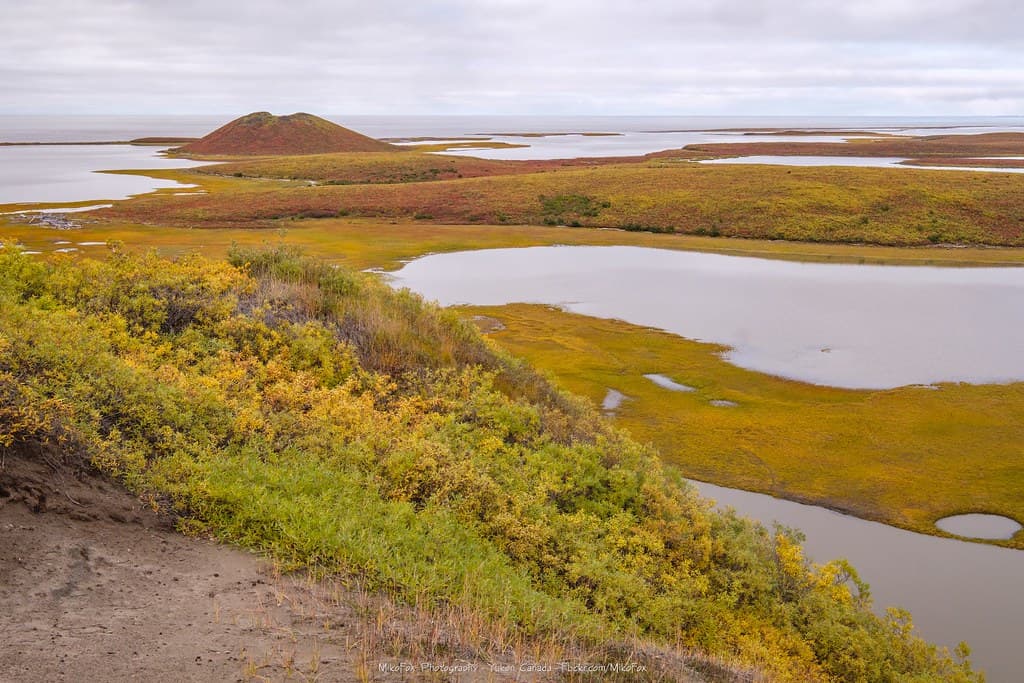
The East Channel Barrier Beach is a testament to the Arctic's subtle, yet profound, beauty. This remote sandy strip, often overlooked on maps, plays a crucial role in protecting the delicate ecosystems of the Mackenzie Delta. Here, the sand is fine, sculpted by the relentless Arctic winds and the gentle lapping of the Beaufort Sea. The air is crisp, carrying the scent of tundra and the vastness of the northern wilderness.
Walking this beach is an exercise in solitude. You'll likely be the only human footprint on this stretch of coast, sharing the space with migratory birds, perhaps even the occasional seal basking on a distant sandbar. The landscape is understated but captivating: low-lying dunes give way to the expansive, often grey-blue waters, with the distant, flat horizon blurring into the sky. It's a place that demands quiet observation and respect for its fragile environment.
Explore untouched sand
Capture vast horizons
Spot migratory species
Prime Visitation
Less Crowds
Where it is
East Channel Barrier Beach
Near Tuktoyaktuk, Northwest Territories, Canada
69.520000°, -132.800000°
Weather
Loading…
Swell
—
Temp
Warm · Restorative
UV Index
Moderate
Wind
—
Tidal State
Last known
Max Sunlight
—
Ideal Shade
—
May - Sep (Peak)
Jan - Dec (Off-season)
Historical data suggests peak visibility and stable sea temperatures occur during the prime visitation window.
Select a category to load nearby places.
Unlock restaurants, luxury stays and curated maritime experiences within 2km
Swimming at East Channel Barrier Beach is generally not recommended. The water is part of the Beaufort Sea, which is extremely cold, even during the brief Arctic summer. As a barrier island-style beach, it may also be subject to strong currents and dynamic changes influenced by the Mackenzie River's outflow. Visitors should prioritize safety and observe the beach from a distance, enjoying its remote beauty.
To experience East Channel Barrier Beach with fewer crowds and for optimal solitude, visiting during the shoulder seasons of late spring (June) or early fall (late August/early September) might be ideal. While the peak summer offers milder weather, these periods can provide a more isolated experience. Always check local conditions and ice melt before planning your visit to this remote location.
Accessing East Channel Barrier Beach is challenging due to its remote location and its nature as a barrier island-style beach. It is not accessible by conventional roads. Visitors would likely need to arrange specialized transportation from Tuktoyaktuk or Inuvik, such as a chartered boat or potentially an ATV with local guidance, depending on the season and specific location within the delta system. Local expertise is crucial.
East Channel Barrier Beach is a remote, wild, and rarely mapped natural feature. There are no lodging or food facilities directly at the beach. Visitors must be entirely self-sufficient, bringing all necessary supplies, equipment, and shelter for any permitted stay. The nearest services, including accommodations and basic provisions, would be found in the community of Tuktoyaktuk, which is a significant distance away.
East Channel Barrier Beach holds unique significance as a barrier island-style beach that, though rarely mapped, forms an integral part of the Mackenzie Delta's natural protection system. Its existence highlights the dynamic geological processes of the Arctic coast, where sediment transport and sea-level changes continually reshape the landscape. It offers a glimpse into the raw, untouched forces that define this northern environment.
Photos