
Counting the waves…
Counting the waves…
A refined fusion of water purity, environmental stability, and communal vibrancy for Playa Caño Palma.
View MethodologyAnalyzed via live sensors and environmental data.
Wave height, wind, and atmospheric stability.
Live footfall and crowd balance metrics.
Community reviews and curated sentiment.
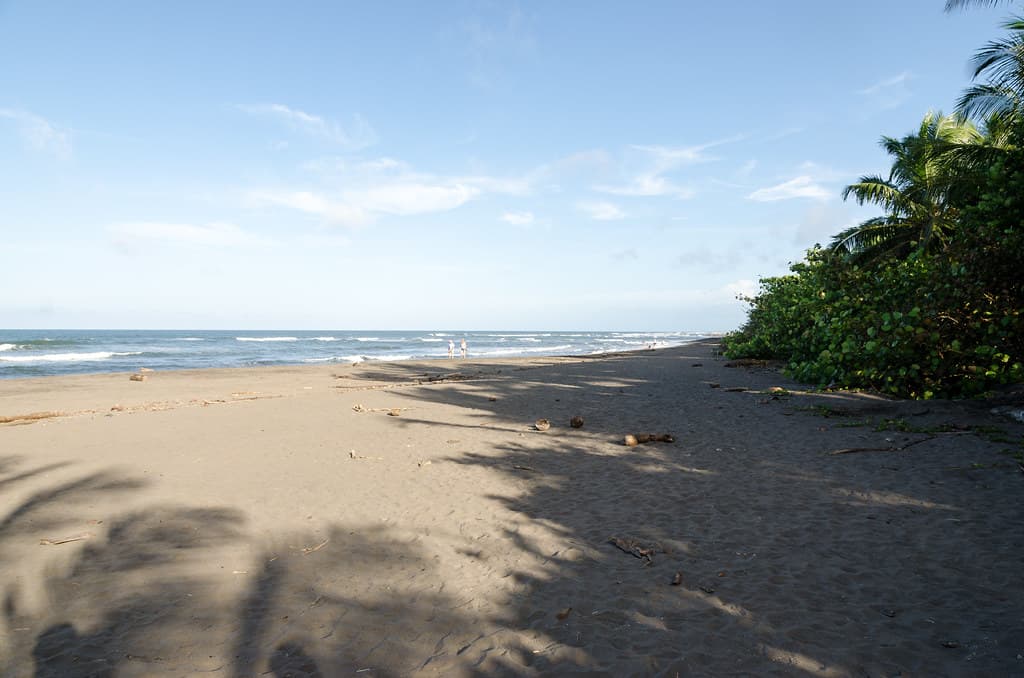
“The biological station sits behind palms and buttonwood; ahead, the beach stretches empty in both directions. You'll share this sand with researchers counting turtle nests and howler monkeys that venture down at low…”
Limited recent visitor reports — live OBI telemetry is your best guide for current conditions.
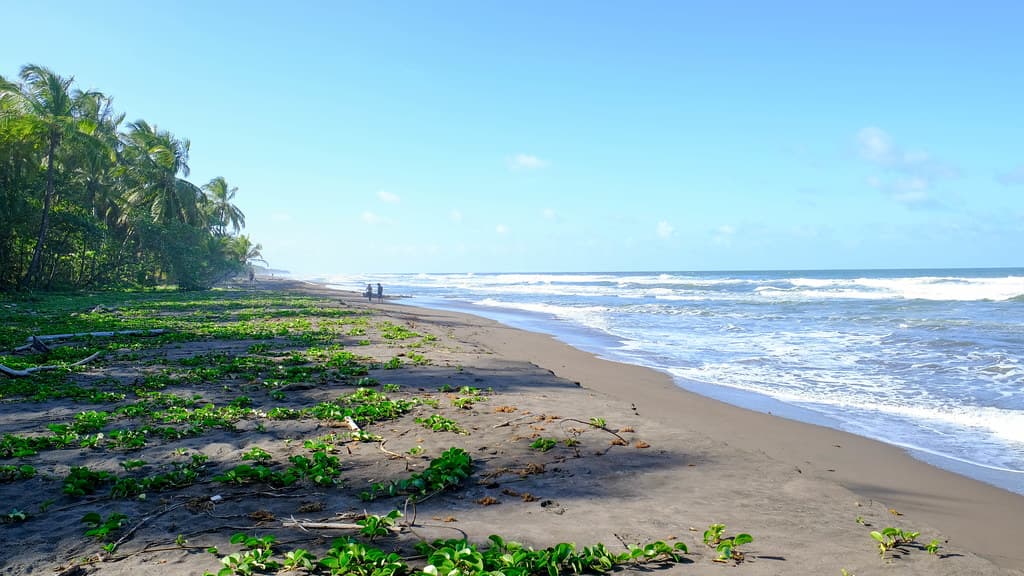
You reach Caño Palma by boat through the Tortuguero canal system, then follow a boardwalk through swamp forest until the trees part and the Caribbean appears—a ribbon of tan sand bordered by sea grape and coconut palms. The beach belongs to the turtles first: leatherback furrows zigzag across the upper beach, each track wide as a tractor tire, leading to nesting pits excavated in the night.
The research station operates at the forest edge, a cluster of screened buildings where biologists catalog arribadas and monitor nest temperatures. You'll hear the work before dawn: the rustle of researchers returning from night patrol, data sheets crackling, the metallic click of calipers measuring carapace width. By first light, the beach is yours to walk, but you tread carefully—every divot might be a nest, every shadow a hatchling track. Ghost crabs emerge from burrows, their sideways scuttle punctuating the crash and hiss of waves.
Dawn nest counts and measurements
Station trails through swamp forest
Between marked turtle nesting zones
Prime Visitation
Best Weather|Less Crowds
Where it is
Playa Caño Palma
Caño Palma, Limón, Costa Rica
10.592000°, -83.527500°
Weather
Loading…
Swell
—
Temp
Warm · Restorative
UV Index
Moderate
Wind
—
Tidal State
Last known
Max Sunlight
—
Ideal Shade
—
Jan - Dec (Peak)
May - Nov (Off-season)
Best Weather|Less Crowds
Select a category to load nearby places.
Unlock restaurants, luxury stays and curated maritime experiences within 2km
Swimming at Playa Caño Palma is generally not recommended due to strong Caribbean currents, powerful waves, and frequent rip currents typical of this coastline. There are no lifeguards, safety equipment, or emergency services in this extremely remote area. The beach is visited primarily by researchers and conservation volunteers rather than recreational swimmers. The remote location means medical help is hours away by boat. Visitors focus on wildlife observation, beach walks, and turtle monitoring rather than swimming. If entering the water, extreme caution is necessary, stay in shallow areas, and never swim alone.
The drier months of February through April and September through October offer the best weather, though this Caribbean coast experiences rain year-round. For wildlife enthusiasts, sea turtle nesting occurs primarily March through October, with green turtles most active July through October and leatherbacks February through June. The area remains uncrowded throughout the year due to its remote location and conservation focus. Bird watching is excellent year-round, with peak migration periods adding variety. Consider that heavy rains from November through January and June through August can affect boat access and trail conditions in the surrounding reserve.
Access to Playa Caño Palma is exclusively by boat through the Tortuguero canal system, as no roads exist in this area. Most visitors arrive as volunteers or researchers with the Caño Palma Biological Station, which arranges boat transport from La Pavona or other canal access points. The journey typically takes two to four hours depending on the departure point. Independent access requires arranging private boat charters, which can be expensive and logistically challenging. Some travelers coordinate transport through Tortuguero village guides. The remote location and conservation focus mean casual tourism is limited.
Accommodation at Caño Palma is limited almost exclusively to the Caño Palma Biological Station, which hosts volunteers, researchers, and occasionally eco-tourists participating in conservation programs. Lodging is basic and rustic, with shared facilities and simple meals provided. The station operates primarily as a research and education facility rather than a tourist destination. There are no hotels, restaurants, or shops in the area. Visitors typically stay as part of volunteer programs lasting one to several weeks. All food and supplies are brought in by boat. Advance arrangements through the biological station are essential.
Playa Caño Palma is centered around a biological research station within the Tortuguero Conservation Area, offering immersive wildlife experiences uncommon at typical beaches. The area protects critical sea turtle nesting habitat and extensive coastal rainforest. Visitors participate in hands-on conservation work including turtle monitoring, wildlife surveys, and forest studies. The station's long-term research creates opportunities to learn from scientists studying neotropical ecosystems. The remote location ensures pristine conditions with minimal human impact. It's ideal for serious nature enthusiasts, students, and volunteers wanting meaningful conservation engagement rather than casual beach tourism.