
Counting the waves…
Counting the waves…
A refined fusion of water purity, environmental stability, and communal vibrancy for Playita Negra.
View MethodologyAnalyzed via live sensors and environmental data.
Wave height, wind, and atmospheric stability.
Live footfall and crowd balance metrics.
Community reviews and curated sentiment.
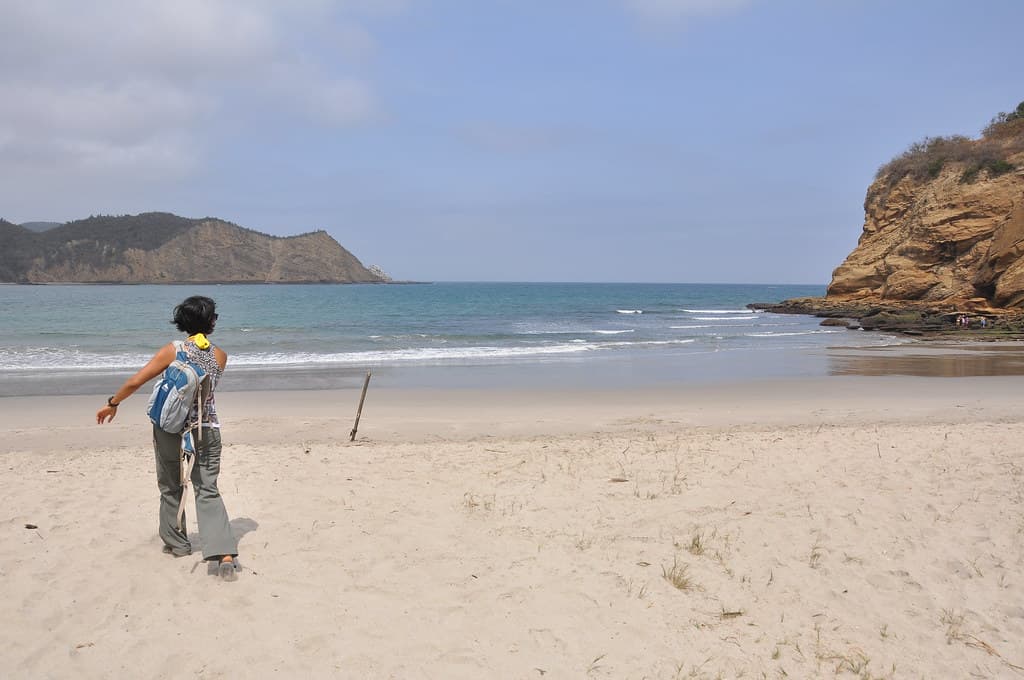
“Venture into Machalilla National Park to find Playita Negra, a captivating stretch of volcanic sand that offers a stark, beautiful contrast to the region's typical golden beaches. This isn't just a stop; it's a…”
Limited recent visitor reports — live OBI telemetry is your best guide for current conditions.
Deep within the protected embrace of Machalilla National Park lies Playita Negra, a beach that defies expectations with its distinctive black sand. Formed from volcanic minerals, this striking shoreline provides a dramatic visual spectacle, particularly when contrasted with the turquoise Pacific waters and the verdant coastal vegetation. It’s a testament to the raw, untamed beauty of Ecuador's Pacific edge.
Often discovered as part of the scenic hike to Los Frailes, Playita Negra holds its own as a standalone marvel. The fine, dark grains of sand absorb the sun's warmth, making for a unique tactile experience underfoot. The surrounding cliffs and rock formations add to the rugged allure, creating a secluded feel that encourages quiet contemplation and appreciation for the natural world.
Dramatic black sand
Scenic coastal trails
Secluded beach escape
Prime Visitation
Best Weather|Less Crowds
Where it is
Playita Negra
Machalilla National Park, Manabí, Ecuador
-1.499900°, -80.787300°
Weather
Loading…
Swell
—
Temp
Warm · Restorative
UV Index
Moderate
Wind
—
Tidal State
Last known
Max Sunlight
—
Ideal Shade
—
May - Sep (Peak)
Jan - Dec (Off-season)
Best Weather|Less Crowds
Select a category to load nearby places.
Unlock restaurants, luxury stays and curated maritime experiences within 2km
Swimming conditions at Playita Negra can be challenging due to strong currents and waves typical of this exposed Pacific coastline. The beach is relatively small and rocky in places, which may not be ideal for swimming. Most visitors come here primarily for the scenery and photography during the Los Frailes trail hike rather than water activities. Always assess ocean conditions carefully, avoid swimming alone, and stay close to shore if you do enter the water.
The best time to visit Playita Negra is during Ecuador's dry season from June to September, when you'll encounter less rain and clearer skies for hiking and photography. Early morning visits offer softer light and fewer crowds on the Los Frailes trail. The beach is also beautiful during the shoulder months of May and October when weather is generally favorable but visitor numbers are lower, making it ideal for those seeking solitude and better photo opportunities.
Playita Negra is accessed via the Los Frailes hiking trail within Machalilla National Park. First, reach the Los Frailes trailhead near Puerto López (about 11 km north of town). You'll need to pay the park entrance fee at the ranger station. The beach is encountered along the coastal hiking route, approximately 30-45 minutes into the trail. Most visitors hire a taxi from Puerto López or join organized tours that include park transportation and guided hikes.
There are no facilities directly at Playita Negra as it's within a protected national park area. The nearest accommodations and restaurants are in Puerto López, approximately 11 km south, which offers various hotels, hostels, and seafood restaurants to suit different budgets. Bring your own water and snacks for the hike, as no vendors operate on the trail. Some visitors base themselves in Puerto López and make Playita Negra a day trip during their coastal exploration.
Playita Negra's distinctive black sand comes from volcanic mineral deposits, creating a dramatic contrast against the turquoise Pacific waters and surrounding cliffs. This geological feature makes it highly photogenic and Instagram-worthy, especially during golden hour. The dark sand is relatively rare along Ecuador's Manabí coast, where most beaches have lighter-colored sand. The volcanic origin also means the sand can heat up significantly in direct sunlight, so consider bringing sandals or water shoes for comfortable beach exploration.
Photos