
Counting the waves…
Counting the waves…
A refined fusion of water purity, environmental stability, and communal vibrancy for Campo Estuary Beach.
View MethodologyAnalyzed via live sensors and environmental data.
Wave height, wind, and atmospheric stability.
Live footfall and crowd balance metrics.
Community reviews and curated sentiment.
“Venture to Campo Estuary Beach and discover a truly secluded haven, where the Campo River's journey culminates in a quiet embrace with the Atlantic. This hidden estuary offers an unparalleled sense of remoteness,…”
Limited recent visitor reports — live OBI telemetry is your best guide for current conditions.
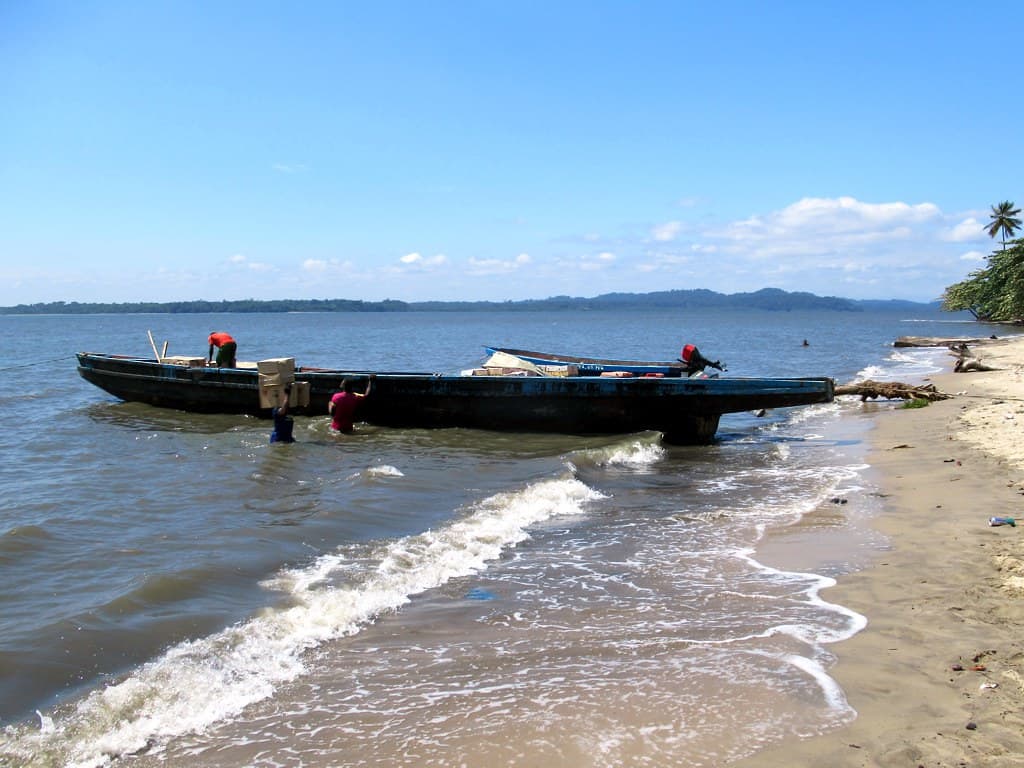
Campo Estuary Beach is a testament to untouched natural beauty, a remote stretch of coastline where the Campo River gently merges with the vast Atlantic. This isn't a beach you stumble upon; it's a destination sought by those yearning for genuine seclusion and an intimate connection with nature. The landscape here is a rich tapestry of riverine flora giving way to sandy shores, all against the backdrop of the open ocean.
The air is alive with the subtle sounds of the estuary – the rustle of leaves, the distant call of birds, and the soft lapping of water where fresh and salt mingle. You can observe the intricate dance of currents, the way the river's flow shapes the sand, and the diverse wildlife that thrives in this unique environment. It’s a living, breathing ecosystem waiting to be explored.
Explore river channels
Diverse avian species
Discover unique flora
Prime Visitation
Anytime
Where it is
Campo Estuary Beach
Border Coast, Litoral, Equatorial Guinea
1.018000°, 9.545000°
Weather
Loading…
Swell
—
Temp
Warm · Restorative
UV Index
Moderate
Wind
—
Tidal State
Last known
Max Sunlight
—
Ideal Shade
—
Jan - Dec (Peak)
May - Nov (Off-season)
Historical data suggests peak visibility and stable sea temperatures occur during the prime visitation window.
Select a category to load nearby places.
Unlock restaurants, luxury stays and curated maritime experiences within 2km
Campo Estuary Beach, being an estuary type, means the water conditions can be influenced by river currents and tides, which might differ from open ocean beaches. While generally calm, it's important to be aware of the specific currents and depths, especially near the river mouth. There are unlikely to be lifeguards, so caution is advised, particularly for less experienced swimmers. The presence of wildlife typical of an estuary should also be considered.
Campo Estuary Beach can be visited 'Anytime' according to its description, making it flexible for planning. For the best nature experience, consider visiting during periods of good weather to fully enjoy the surroundings. Early mornings or late afternoons might offer excellent opportunities for birdwatching or observing other wildlife, as well as more comfortable temperatures for exploration. Avoiding heavy rainy seasons could also enhance the experience.
Campo Estuary Beach is located on the Border Coast in a remote area. Access will likely require private transportation, such as a 4x4 vehicle, or arranging transport with local guides familiar with the terrain. Given its 'hidden' and 'remote' tags, public transport options are probably non-existent. It's advisable to plan your route carefully and ensure your vehicle is suitable for potentially challenging roads.
As a 'remote estuary' and 'hidden' beach, Campo Estuary Beach is unlikely to have any developed facilities for food or lodging directly on site. Visitors should plan to be self-sufficient, bringing all necessary provisions, including food, water, and any equipment for a day trip or an overnight stay if camping is permitted. The nearest amenities would likely be in more populated areas, which could be a significant distance away.
Campo Estuary Beach offers a unique blend of coastal and riverine ecosystems, making it a prime spot for nature enthusiasts. Its 'remote estuary' and 'hidden' tags highlight its untouched character, providing an opportunity to observe diverse flora and fauna in a pristine environment. The interaction of fresh and saltwater creates a distinct habitat, offering a different experience compared to typical sandy ocean beaches.