
Counting the waves…
Counting the waves…
A refined fusion of water purity, environmental stability, and communal vibrancy for Muanaicake Beach.
View MethodologyAnalyzed via live sensors and environmental data.
Wave height, wind, and atmospheric stability.
Live footfall and crowd balance metrics.
Community reviews and curated sentiment.
“The beach faces inward toward Fulaga's maze-like lagoon, where channels between limestone islands create passages of impossible blue. You snorkel through corridors of rock draped in staghorn and brain coral, fish…”
Limited recent visitor reports — live OBI telemetry is your best guide for current conditions.
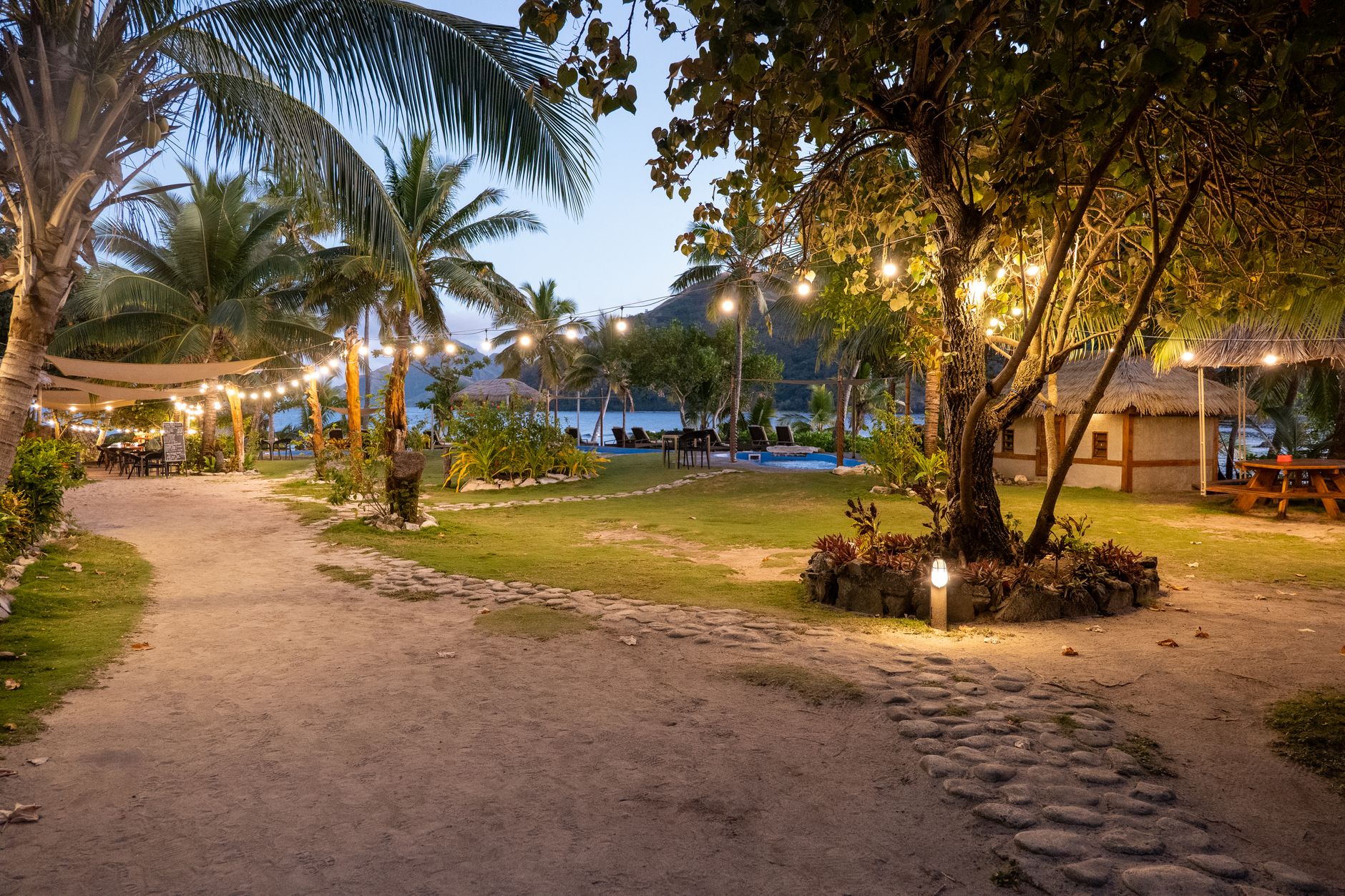
Muanaicake sits on Fulaga's inner shore, facing not open ocean but the intricate lagoon system that makes this island famous among cruisers and divers. The sand is fine and white, deposited by currents that swirl through the limestone labyrinth. At low tide, the beach extends fifty feet further, exposing tide pools where sea stars cling to volcanic rock and anemones pulse in the shallows.
You wade into water so clear you can count scales on parrotfish fifteen feet down. The bottom drops gradually—first sand, then scattered coral heads, then the edge of the reef system where hard corals build fortresses in shades of brown, purple, and green. Damselfish guard their territories aggressively, nipping at your fingers if you drift too close. Schools of fusiliers shimmer past like silver ribbons. Above water, the limestone pinnacles create a skyline of organic sculpture, each formation unique, carved by rain and tide into shapes that suggest ruins or cathedrals.
Staghorn and brain coral formations
Pinnacles creating natural composition
Paddle through rock channels
Prime Visitation
Less Crowds
Where it is
Muanaicake Beach
Fulaga, Lau Province, Fiji
-19.126400°, -178.582700°
Weather
Loading…
Swell
—
Temp
Warm · Restorative
UV Index
Moderate
Wind
—
Tidal State
Last known
Max Sunlight
—
Ideal Shade
—
May - Sep (Peak)
Jan - Dec (Off-season)
Historical data suggests peak visibility and stable sea temperatures occur during the prime visitation window.
Select a category to load nearby places.
Unlock restaurants, luxury stays and curated maritime experiences within 2km
Muanaicake Beach offers good snorkeling opportunities near lagoon passages, though you should exercise caution around currents in these channels. The limestone scenery creates interesting underwater topography but also potential hazards. Always snorkel with a buddy and consult villagers about safe areas and tide timing. Reef shoes protect against coral and urchins. No rescue services or medical facilities exist on Fulaga, so stay within your abilities. Visibility is typically excellent in the clear waters, allowing you to spot hazards easily and enjoy the marine life safely.
The optimal visiting window is May to October during Fiji's dry season, when weather is more predictable and seas calmer for boat access to Fulaga. Snorkeling conditions are generally better during this period with clearer water and less rainfall runoff. Avoid the cyclone season from November to April when transport becomes unreliable and potentially dangerous. Given Fulaga's extreme remoteness, visitor numbers remain low year-round. Coordinate timing with inter-island boat availability rather than focusing on avoiding crowds, and allow extra days for weather-related delays.
Reaching Muanaicake Beach starts with flying from Nadi to islands with airstrips in the Lau group, then arranging boat charter to Fulaga, which has no airstrip or regular ferry. The journey requires multiple days and careful coordination. Once on Fulaga, local guides or villagers can direct you to Muanaicake Beach, which may require a short walk or boat ride depending on village location. Work with specialized Fiji adventure tour operators who have Lau Province connections, as independent travel here is extremely challenging without local arrangements.
Fulaga offers no hotels or restaurants. Visitors arrange homestays with village families, which typically include meals prepared from local ingredients like fresh fish, coconuts, and root crops. Advance coordination is essential, usually through tour operators or direct village contact. Bring supplementary food, snacks, and any specialty items from main islands, as there are no shops. Facilities are basic with outdoor bathing and limited electricity. The homestay experience provides authentic cultural immersion, with hosts often sharing traditional cooking methods and local knowledge about the surrounding reefs.
Muanaicake Beach stands out for its proximity to Fulaga's spectacular limestone mushroom islands that dot the lagoon, creating dramatic scenery both from shore and while snorkeling. The lagoon passages near the beach support diverse marine life, offering excellent snorkeling opportunities in relatively protected waters. The combination of white sand, turquoise lagoon, and geological formations is visually stunning. Unlike developed beaches, this remains a pristine, rarely visited location where you can explore untouched reef ecosystems. The cultural context of traditional Fulaga village life adds authenticity to the natural beauty.