
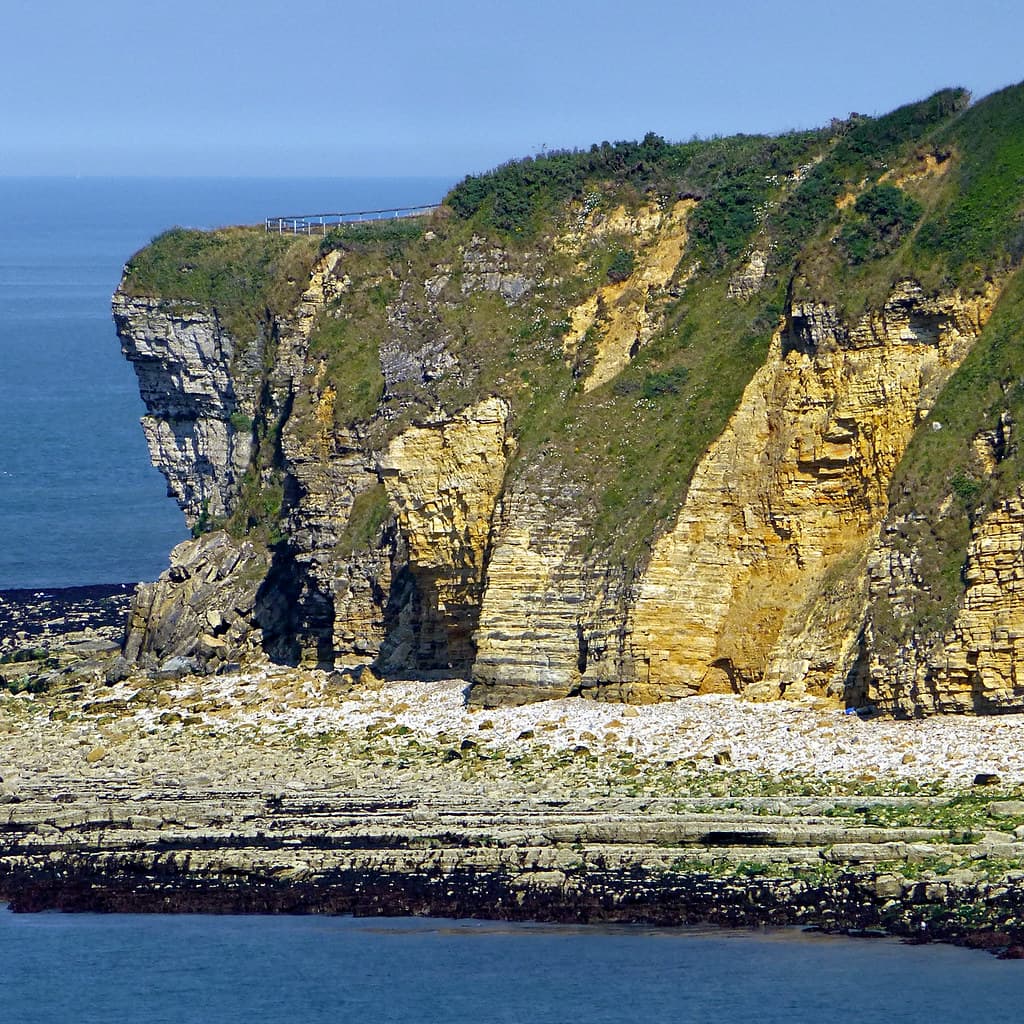
Counting the waves…
Counting the waves…
A refined fusion of water purity, environmental stability, and communal vibrancy for Omaha Beach.
View MethodologyAnalyzed via live sensors and environmental data.
Wave height, wind, and atmospheric stability.
Live footfall and crowd balance metrics.
Community reviews and curated sentiment.
“You walk onto wide, firm sand scattered with tide pools and realize you're standing where 34,000 soldiers landed on June 6, 1944. Wind whips across the beach, carrying salt spray and the low hum of waves that once…”
Limited recent visitor reports — live OBI telemetry is your best guide for current conditions.
The beach stretches longer than you expect—five miles of blonde, compacted sand that slopes gently into the gray-green Channel. At low tide, the waterline retreats so far you can walk for ten minutes before reaching the surf. Gulls wheel overhead; dog walkers and joggers trace the firm sand near the dunes. But the bluffs are always there, pockmarked and steep, and the simple monuments—the obelisk, the plaques, the preserved bunkers—pull you back into what happened here.
You don't come to Omaha Beach to sunbathe, though families do spread blankets near the seawall on warm afternoons. You come because this sand saw the fiercest fighting of D-Day, because the names of villages—Colleville, Vierville, Saint-Laurent—carry weight you can't ignore. The American Cemetery sits on the bluff just inland, its white crosses visible from the beach. The Normandy American Cemetery Visitor Center opens daily, and the memorials along the shore are always accessible.
Les Braves sculpture at low tide
Trails connect bunkers and overlooks
Local cider brandy at village bars
Where it is
Omaha Beach
Saint-Laurent-sur-Mer, Calvados, France
49.368800°, -0.878300°
Weather
Loading…
Swell
—
Temp
Warm · Restorative
UV Index
Moderate
Wind
—
Tidal State
Last known
Max Sunlight
—
Ideal Shade
—
May - Sep (Peak)
Jan - Dec (Off-season)
Historical data suggests peak visibility and stable sea temperatures occur during the prime visitation window.
Select a category to load nearby places.
Unlock restaurants, luxury stays and curated maritime experiences within 2km
Swimming at Omaha Beach is generally safe during summer months when lifeguards are on duty, typically from June to September. The beach has a gentle slope, but currents and tides can be strong, particularly during incoming and outgoing tides. Always check posted flags and local conditions before entering the water. Many visitors come primarily for the historical significance rather than swimming. The water is quite cold year-round, typically ranging from 10-18°C (50-64°F). If swimming, stay within designated areas and supervise children closely due to the expansive beach and tidal variations.
Omaha Beach can be visited year-round, but late spring through early fall (May-September) offers the best weather with temperatures between 15-22°C (59-72°F). June 6th draws large crowds for D-Day anniversary commemorations. Summer brings warmer conditions ideal for walking the beach, though it can be busy with tourists. Spring and fall offer fewer visitors and comfortable temperatures for exploring the memorials and museum. Winter visits are quieter and more contemplative, though weather is often cold, windy, and rainy. Early mornings provide the most peaceful atmosphere regardless of season, perfect for reflection.
Omaha Beach is located near Saint-Laurent-sur-Mer in Normandy, about 280km (175 miles) northwest of Paris. By car, take the A13 motorway from Paris or Caen, then follow D-roads to the coast (approximately 3-4 hours from Paris). Free parking is available at several access points along the beach, including lots near the Omaha Beach Memorial Museum and the Normandy American Cemetery. Public transportation is limited; the nearest train station is in Bayeux (20km away), where you can rent a car or join organized D-Day tours that include Omaha Beach stops.
The immediate Omaha Beach area has limited dining options, with a few cafés and restaurants in Saint-Laurent-sur-Mer and nearby Colleville-sur-Mer serving traditional French cuisine and seafood. For more variety, the historic town of Bayeux (20km away) offers numerous restaurants, hotels, and B&Bs at various price points. Several small hotels and vacation rentals are available directly along the coast for those wanting to stay near the beach. The Omaha Beach Memorial Museum has a café. Many visitors base themselves in Bayeux or nearby coastal villages, allowing easy access to multiple D-Day sites while enjoying better amenities.
Yes, remnants of World War II remain visible at Omaha Beach. German concrete bunkers and fortifications dot the bluffs overlooking the beach, particularly at Pointe de la Percée. Some bunkers are accessible and included in walking tours. The beach itself no longer contains the extensive obstacles that existed on D-Day, as these were removed after the war. For extensive artifact collections and detailed historical context, visit the nearby Omaha Beach Memorial Museum. The Normandy American Cemetery, just above the beach at Colleville-sur-Mer, provides powerful perspective on the battle's cost. Interpretive panels along the beach explain the 1944 landings.