Counting the waves…
Counting the waves…
A refined fusion of water purity, environmental stability, and communal vibrancy for Plage de Quend.
View MethodologyAnalyzed via live sensors and environmental data.
Wave height, wind, and atmospheric stability.
Live footfall and crowd balance metrics.
Community reviews and curated sentiment.
“You'll walk across wooden boardwalks threading through marram-grass dunes before descending onto a beach so broad the tide retreats nearly half a kilometer. The wind carries salt and the cries of gulls; behind you,…”
Limited recent visitor reports — live OBI telemetry is your best guide for current conditions.
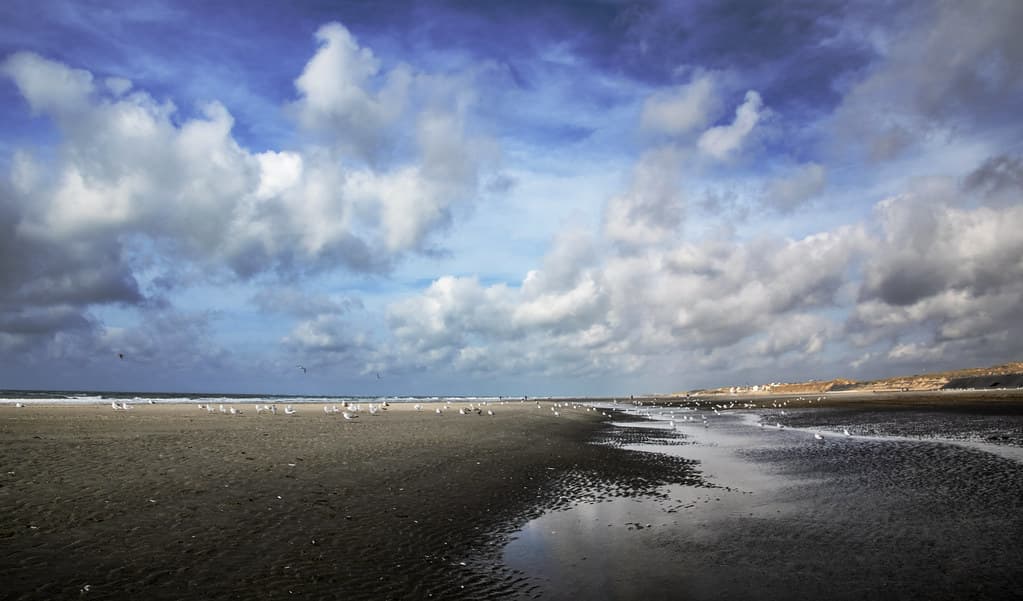
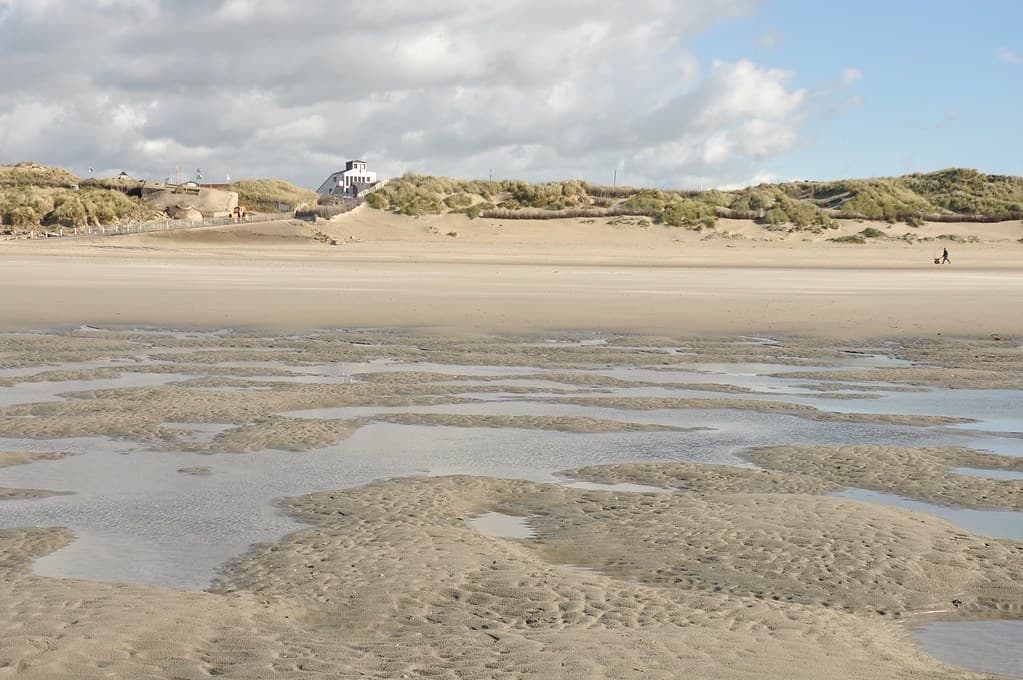
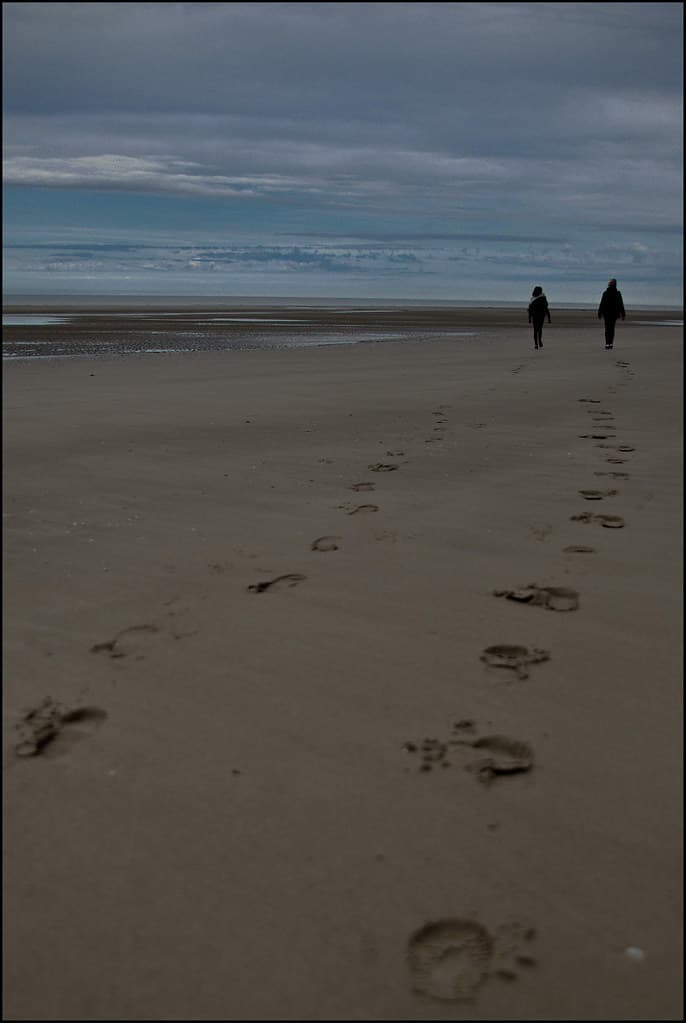
The Plage de Quend unfolds as a five-kilometer ribbon of pale sand wedged between the pine forests of the Marquenterre and the English Channel. You reach it by footpath through the Dunes de la Mollière, a nature reserve where sand sedges bow in the onshore wind and rabbits bolt between tussocks of beach grass. The beach itself is broad—so broad that at low tide you'll cross a hundred meters of rippled sand before the water finds you. Families plant windbreaks and kites tug at their strings; the flatness makes every figure visible against the pale sky.
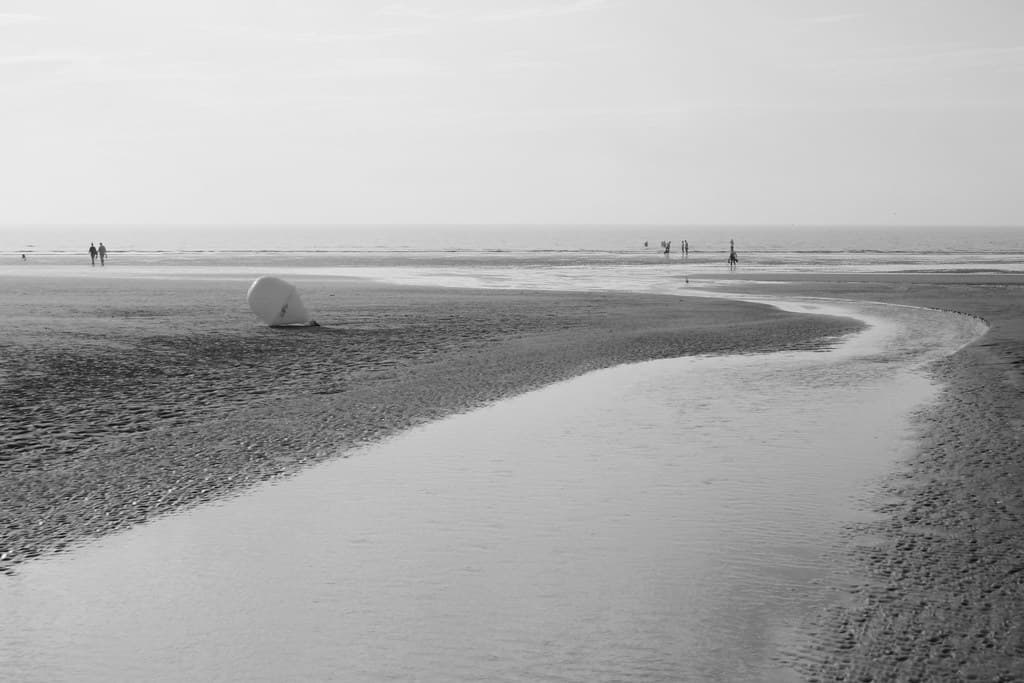
The light here is what photographers drive three hours from Paris to catch. Late afternoon gilds the dunes copper, and the shallow gradient of the shore reflects the sky in pools left by the receding tide. Sunsets bleed tangerine and mauve into the water, and the wind never quite dies. This is not the Mediterranean; bring a jacket even in July.
Credit: FlickrDune Reserve Trails
Credit: FlickrTidal Reflections
Footpaths wind through Mollière reserve
Low tide mirrors sky perfectly
Stake canvas against steady breeze
Where it is
Plage de Quend
Quend, Somme, France
50.322600°, 1.556700°
Weather
Loading…
Swell
—
Temp
Warm · Restorative
UV Index
Moderate
Wind
—
Tidal State
Last known
Max Sunlight
—
Ideal Shade
—
May - Sep (Peak)
Jan - Dec (Off-season)
Historical data suggests peak visibility and stable sea temperatures occur during the prime visitation window.
Select a category to load nearby places.
Unlock restaurants, luxury stays and curated maritime experiences within 2km
Plage de Quend is generally safe for families and swimming, with lifeguards present during summer months (typically July and August). The beach features gently sloping sands and shallow waters ideal for children. However, the English Channel can have strong currents and tides, so always check local conditions and swim in supervised areas. Red, orange, and green flags indicate water safety levels. The wide, sandy beach provides ample space for families to set up comfortably. Outside supervised periods, exercise caution and be aware of tide times to avoid getting cut off.
Plage de Quend is accessible year-round, though each season offers different appeals. Summer (June-August) provides warmest weather for swimming and sunbathing, with temperatures around 18-22°C, but expect larger crowds. Spring and autumn offer peaceful walks and stunning sunsets with milder temperatures. Winter attracts those seeking windswept coastal scenery and solitude. The beach is particularly beautiful during golden hour for sunset viewing. Keep in mind northern France can be windy and cooler than Mediterranean beaches, so bring layers even in summer. July and August see the most facilities open.
Plage de Quend is located in the Somme department, approximately 25km south of Le Touquet. By car, take the D940 to Quend, then follow signs to "Plage" or "Quend-Plage-les-Pins." Large free and paid parking areas are available near the beach, with easier access during off-season. The nearest major train station is in Rue, about 8km away, though connections may require a taxi or car rental. From Paris, it's roughly a 2.5-hour drive. During peak summer, arrive early for best parking spots.
The Quend-Plage area offers various restaurants, crêperies, and beachfront cafés serving fresh seafood and French cuisine, mostly concentrated in the nearby resort village of Quend-Plage-les-Pins. Amenities include public toilets, beach showers, and seasonal rental facilities for beach equipment. Accommodation options range from campsites and holiday parks to hotels, vacation rentals, and bed-and-breakfasts within walking distance of the beach. Many establishments close or operate reduced hours outside summer season. Small shops and a weekly market provide essentials. The larger town of Fort-Mahon-Plage nearby offers additional dining options.
Yes, Plage de Quend is backed by protected sand dunes that form part of the Baie de Somme ecosystem. Wooden boardwalks and marked paths allow visitors to explore the dunes while preserving fragile vegetation. The area is known for its natural beauty and biodiversity, with opportunities to observe coastal flora and occasional wildlife. Respect conservation signs and stay on designated paths to protect this sensitive environment. The dunes provide shelter from wind and create a scenic backdrop for beach visits. This natural setting makes Plage de Quend distinctive among northern French beaches.
Photos