Counting the waves…
Counting the waves…
A refined fusion of water purity, environmental stability, and communal vibrancy for Paleokastritsa Beach.
View MethodologyAnalyzed via live sensors and environmental data.
Wave height, wind, and atmospheric stability.
Live footfall and crowd balance metrics.
Community reviews and curated sentiment.
“Imagine a canvas of emerald hills plunging into an azure sea, punctuated by a monastery perched precariously above. Paleokastritsa Beach isn't just a stretch of sand; it's a dramatic tableau where the Ionian's deep…”
Limited recent visitor reports — live OBI telemetry is your best guide for current conditions.
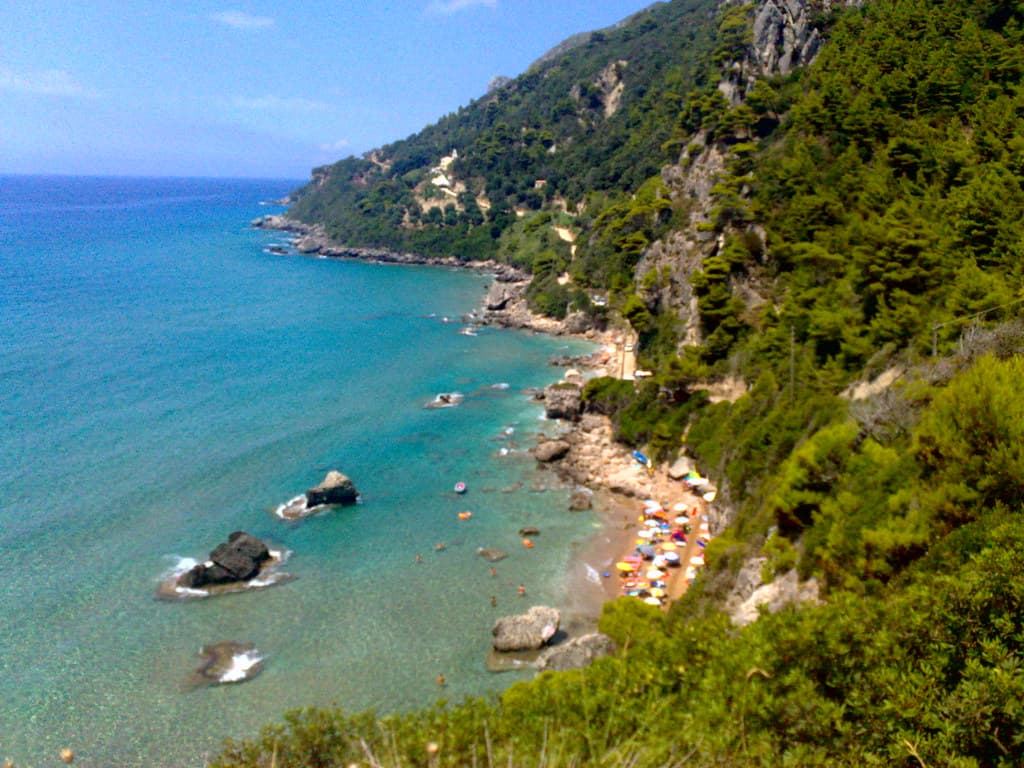
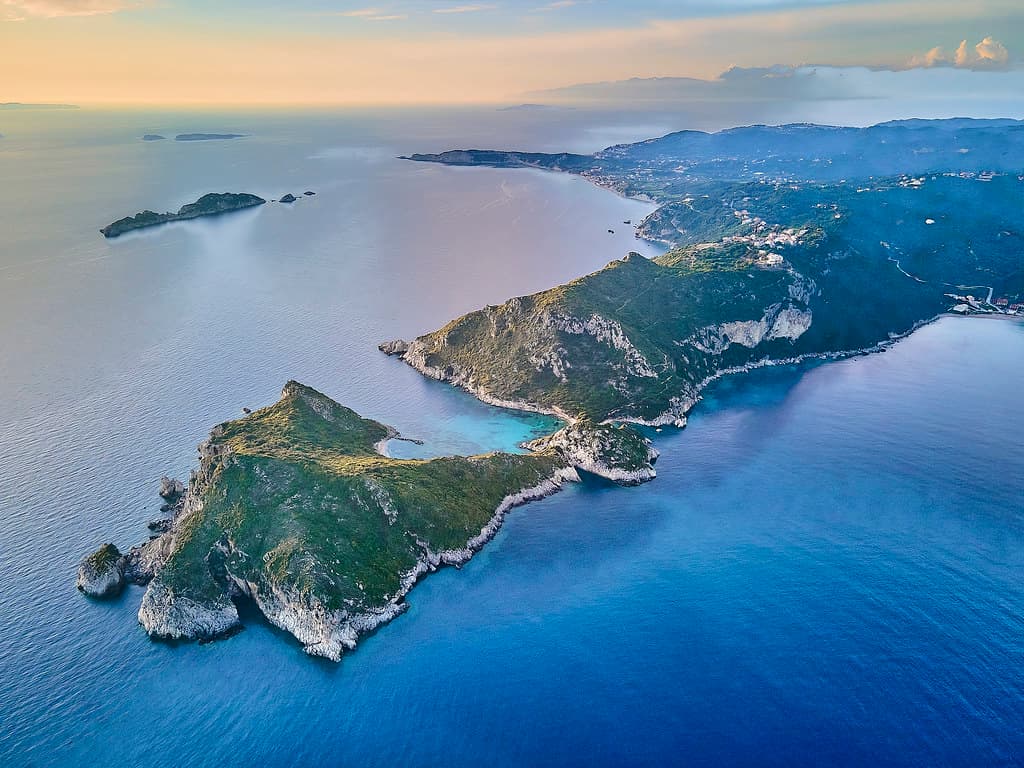
Paleokastritsa Beach, a jewel on Corfu's western coast, unfolds beneath a dramatic amphitheater of olive groves and cypress trees. The water, a tapestry of turquoise and deep indigo, laps gently against a shore of fine, pale pebbles, inviting immediate immersion. From your towel, gaze up at the Monastery of Theotokos, a beacon of history crowning the headland, its ancient stones a stark contrast to the vibrant sea below.
Beyond the main crescent, a series of smaller coves beckon, accessible by footpaths or a quick boat ride. Each offers a secluded patch of sand and water so clear you can count the stones on the seabed. The air carries the scent of salt and wild herbs, a natural perfume that enhances the sense of escape and tranquility.
Cool off in sapphire waters
Photograph dramatic coastal views
Discover marine life in grottoes
Prime Visitation
Best Weather|Anytime
Where it is
Paleokastritsa Beach
Paleokastritsa, Corfu, Greece
39.667000°, 19.720000°
Weather
Loading…
Swell
—
Temp
Warm · Restorative
UV Index
Moderate
Wind
—
Tidal State
Last known
Max Sunlight
—
Ideal Shade
—
May - Sep (Peak)
Jan - Dec (Off-season)
Historical data suggests peak visibility and stable sea temperatures occur during the prime visitation window.
Select a category to load nearby places.
Unlock restaurants, luxury stays and curated maritime experiences within 2km
Paleokastritsa Beach is generally considered very safe for swimming, known for its exceptionally clear and calm waters. The seabed is mostly sandy, making it comfortable for all ages. There are usually no strong currents, but as with any beach, it's always wise to be aware of your surroundings and any local advisories, especially if you plan to venture further out or with small children. Lifeguard presence can vary by season.
Paleokastritsa Beach is beautiful year-round, but for the best weather and warmest swimming temperatures, the period from late spring (May) to early autumn (October) is ideal. If you prefer a lively atmosphere with all amenities fully operational, the peak summer months of July and August are best. For a slightly quieter experience with pleasant weather, consider visiting in May, June, or September.
Paleokastritsa Beach is easily accessible. If you're staying in Corfu Town, you can take a public bus, which offers regular services during the high season. Renting a car or scooter provides flexibility and allows you to explore the surrounding area at your own pace. Taxis are also readily available. Once in Paleokastritsa, the beach is well-signposted and often within walking distance of local accommodations.
Yes, Paleokastritsa is a well-developed tourist area, so you'll find numerous food and lodging options right at or very close to the beach. There are tavernas, restaurants, and cafes serving local Greek cuisine and international dishes. Accommodation ranges from luxury hotels to apartments and studios, catering to various budgets. It's advisable to book in advance, especially during peak season.
Paleokastritsa Beach stands out for its dramatic and incredibly scenic surroundings, featuring lush green cliffs, caves, and a series of small coves with stunningly clear, often turquoise, waters. It's not just a single beach but a collection of beautiful spots. The famous Paleokastritsa Monastery perched on a hill above the main beach adds to its unique charm and offers breathtaking panoramic views, making it a truly iconic Corfu destination.
Photos