Counting the waves…
Counting the waves…
A refined fusion of water purity, environmental stability, and communal vibrancy for Kuta Beach.
View MethodologyAnalyzed via live sensors and environmental data.
Wave height, wind, and atmospheric stability.
Live footfall and crowd balance metrics.
Community reviews and curated sentiment.
“You'll smell the clove-spiked satay smoke before you see the breakers. Kuta's wide shore hums with diesel scooters, flip-flop slaps, and the thud of longboards hitting wet sand. The ocean here doesn't whisper—it roars,…”
Higher weekend density may affect water purity and crowd scores temporarily.
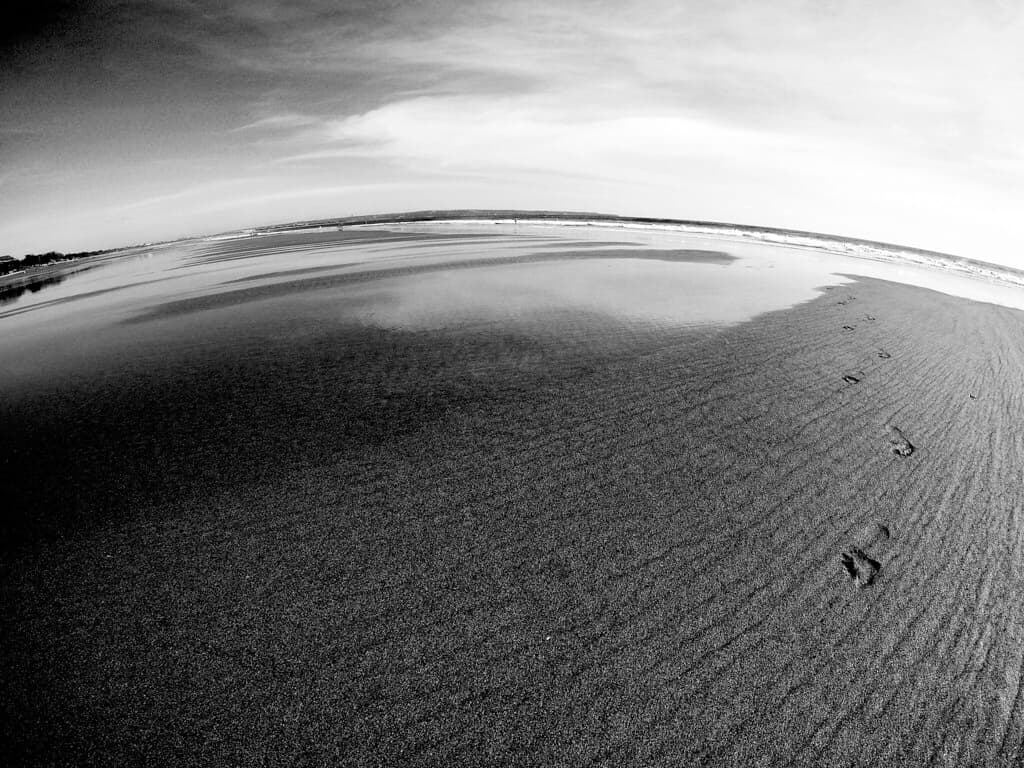
Step onto Kuta Beach at midday and the heat radiates through your soles—fine beige sand studded with shell fragments and the occasional tangle of plastic that volunteers sweep at dawn. Sarong vendors call out prices, surf instructors wax boards under faded umbrellas, and the Indian Ocean churns in shades of slate and jade. This is not a postcard cliché. It's a living, breathing town square that happens to front the sea, where package tourists share shoreline with Balinese families and surf pilgrims who arrived in the seventies and never left.
The waves roll in with metronomic patience, each set building shoulder-high before crumbling into froth that chases squealing children up the slope. By late afternoon the light turns amber, softening the concrete skyline behind you—budget guesthouses and glass-walled clubs stacked like mismatched Lego. You'll find a stool at a beachfront warung, order a Bintang sweating condensation, and watch the sun drop into the horizon as silhouettes paddle out for one last ride.
Gentle rollers perfect for beginners
Orange sky meets temple silhouettes
Grilled corn and nasi goreng
Where it is
Kuta Beach
Kuta, Bali, Indonesia
-8.717700°, 115.168200°
Weather
Loading…
Swell
—
Temp
Warm · Restorative
UV Index
Moderate
Wind
—
Tidal State
Last known
Max Sunlight
—
Ideal Shade
—
May - Sep (Peak)
Jan - Dec (Off-season)
Historical data suggests peak visibility and stable sea temperatures occur during the prime visitation window.
Select a category to load nearby places.
Unlock restaurants, luxury stays and curated maritime experiences within 2km
Kuta Beach has strong currents and waves, making swimming conditions challenging for inexperienced swimmers. Lifeguards patrol designated areas marked by red and yellow flags—always swim between these flags. Rip currents are common, especially during high tide. The beach is popular with surfers due to consistent waves, but these same conditions can be hazardous for casual swimmers. Beginners should stay in shallow water and heed lifeguard warnings. During monsoon season (November-March), conditions can be particularly rough with larger swells and stronger undertows.
Kuta Beach is accessible year-round, but the dry season (April-October) offers the most reliable weather with sunny days and calmer seas. May through September provides optimal surfing conditions with consistent swells. The wet season (November-March) brings afternoon rain showers but also fewer crowds and better hotel rates. For spectacular sunsets—Kuta's main draw—visit during dry season evenings. Mornings are generally quieter before crowds arrive. Avoid Indonesian public holidays and weekends when the beach becomes extremely crowded with domestic tourists.
Kuta Beach is approximately 10-15 minutes from Ngurah Rai International Airport by taxi or ride-hailing app (Grab, Gojek). From other parts of Bali, taxis and scooter rentals are common options. Parking is available along Jalan Pantai Kuta and surrounding streets, though spaces fill quickly during peak hours. Many hotels and restaurants offer parking for customers. Motorcycle parking costs around 5,000-10,000 IDR, while car parking ranges from 15,000-25,000 IDR. Walking is feasible if you're staying in central Kuta.
Kuta Beach is extremely well-developed with abundant amenities. Beachfront restaurants, cafes, and warungs (local eateries) line the shore offering everything from Indonesian dishes to international cuisine. Beach vendors sell snacks, drinks, and fresh coconut water. Accommodations range from budget hostels to luxury resorts, all within walking distance. You'll find surf schools, board rentals, massage services, and beach loungers for hire. Convenience stores, ATMs, and pharmacies are plentiful nearby. Changing rooms and paid toilets are available, though cleanliness varies.
Kuta Beach is ideal for beginner surfers, with numerous surf schools offering lessons year-round. The sandy bottom and rolling waves provide forgiving conditions for learning. Two-hour group lessons typically cost 350,000-500,000 IDR and include board rental and instruction. Private lessons are available at higher rates. Early morning sessions (7-9am) offer calmer waters and fewer crowds. Reputable schools include Rip Curl School of Surf and local operators along the beach. Most instructors speak English, and all equipment is provided for beginners.