Counting the waves…
Counting the waves…
A refined fusion of water purity, environmental stability, and communal vibrancy for Gili Trawangan Beach.
View MethodologyAnalyzed via live sensors and environmental data.
Wave height, wind, and atmospheric stability.
Live footfall and crowd balance metrics.
Community reviews and curated sentiment.
“You arrive by outrigger boat to an island where horse-drawn carts replace taxis and the bass line from beachfront bars reverberates through your beach towel long before sunset. By day, the sand stretches in pale ribbons…”
Higher weekend density may affect water purity and crowd scores temporarily.

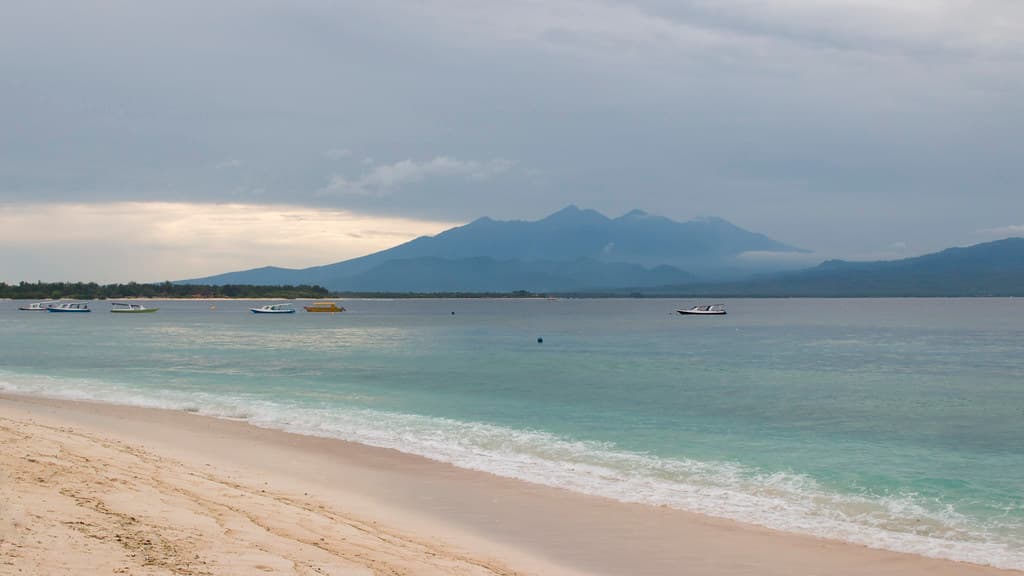
The moment your feet hit the sand at Gili Trawangan, you're stepping onto an island that has perfected the art of daytime serenity and nighttime abandon. Mornings belong to the reef—you wade in from the eastern shore and within minutes you're floating above forests of staghorn coral where sea turtles glide past with the nonchalance of locals ignoring yet another newcomer. The water holds you in a tepid embrace, visibility stretching thirty feet or more on calm days.
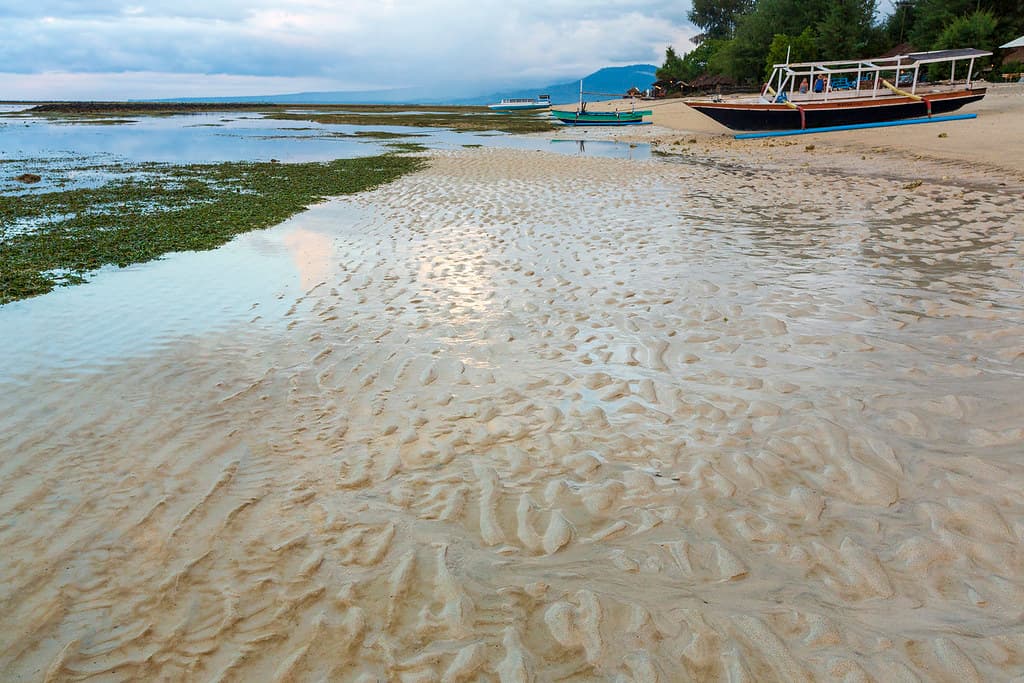
By afternoon, the western beach awakens. Beanbags and low-slung tables colonize the sand, positioned just beyond the reach of lazy waves. You can trace the entire three-mile circumference on foot or bicycle in under two hours, passing clusters of bungalows hidden behind frangipani and the occasional warung serving nasi goreng that tastes better with sand between your toes. No motorized vehicles interrupt the crunch of coral sand beneath flip-flops.
Hawksbills feed before 9 AM
West shore, order before dusk
Satay smoke signals dinner hour
Where it is
Gili Trawangan Beach
Gili Trawangan, West Nusa Tenggara, Indonesia
-8.346000°, 116.038000°
Weather
Loading…
Swell
—
Temp
Warm · Restorative
UV Index
Moderate
Wind
—
Tidal State
Last known
Max Sunlight
—
Ideal Shade
—
May - Sep (Peak)
Jan - Dec (Off-season)
Historical data suggests peak visibility and stable sea temperatures occur during the prime visitation window.
Select a category to load nearby places.
Unlock restaurants, luxury stays and curated maritime experiences within 2km
Swimming is generally safe at Gili Trawangan, particularly on the calmer east and south coasts. The west coast can have stronger currents, especially during low tide. There are no lifeguards on duty, so swim cautiously and stay aware of conditions. The waters are clear with good visibility for snorkeling. Be mindful of boat traffic near the main harbor area. Strong currents between the Gili islands make swimming between them dangerous. Always check local conditions and avoid swimming alone or after consuming alcohol at beach parties.
Gili Trawangan is visitable year-round with tropical weather. The dry season (May to September) offers the best conditions with minimal rainfall, calm seas, and optimal diving visibility. Peak tourist season runs June through August and around Christmas/New Year. The wet season (November to March) brings occasional afternoon showers but also fewer crowds and lower accommodation prices. April and October are shoulder months with good weather and moderate crowds. Sea conditions are calmest May through September, ideal for water activities.
Gili Trawangan has no airport or motorized vehicles. Access is by boat only. Fast boats depart from Bali (Padang Bai, Serangan, Sanur) taking 1.5-2.5 hours, or from Lombok (Bangsal Harbor, Teluk Nare, Senggigi) taking 20-45 minutes. Public ferries run from Bangsal Harbor on Lombok. Once on the island, transportation is by foot, bicycle (rental available), or cidomo (horse-drawn cart). There's no parking as no cars are permitted. Book boat tickets in advance during peak season.
Gili Trawangan offers diverse accommodation from budget hostels to luxury resorts, concentrated along the east and south coasts. The main strip has numerous restaurants serving Indonesian, Western, and international cuisine, including beach clubs and sunset bars. Fresh seafood is widely available. Beachfront warungs offer local dishes at lower prices. Several beach clubs provide day beds, pools, and dining. Small convenience stores and ATMs are available, though cash is preferred. Book accommodation ahead during peak season as the island fills quickly.
Gili Trawangan is known as the party island of the three Gilis. Each night, different beach bars host parties rotating around the island—locals call it the 'party schedule.' Monday and Thursday nights are typically biggest. Beach parties feature live DJs, fire shows, and dancing on the sand until late. The main strip along the southeast coast has the most bars and clubs. Despite the party reputation, quieter accommodations exist on the north and west sides. The atmosphere is relaxed and backpacker-friendly with reasonably priced drinks.
Photos