Counting the waves…
Counting the waves…
A refined fusion of water purity, environmental stability, and communal vibrancy for Hamanasu Beach.
View MethodologyAnalyzed via live sensors and environmental data.
Wave height, wind, and atmospheric stability.
Live footfall and crowd balance metrics.
Community reviews and curated sentiment.
“You'll walk barefoot across rippled sand where pink beach roses bloom against black volcanic slopes, their petals strewn along the tideline. The wind carries salt and sweetness in equal measure, and the cold Oyashio…”
Limited recent visitor reports — live OBI telemetry is your best guide for current conditions.
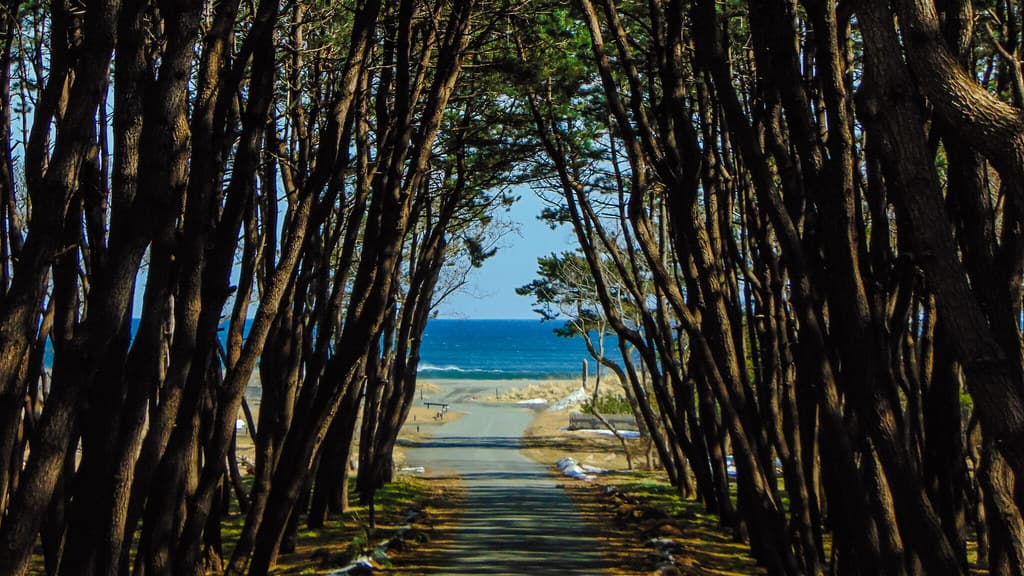
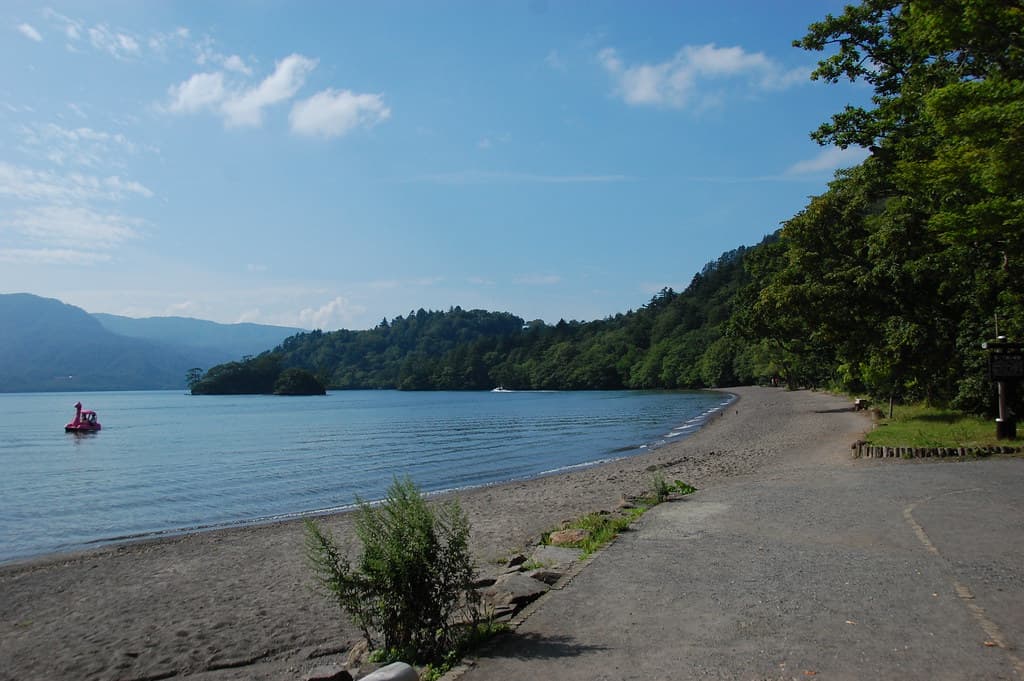
The name tells you everything: hamanasu means beach rose, and in late spring thousands of these hardy rugosa shrubs ignite the dunes in fuchsia blooms. You'll find their fragrance mingling with kelp and brine as you trace the shoreline, petals collecting in tidal pools alongside smooth pebbles the color of charcoal. This is the Pacific coast as few travelers see it—raw, windblown, utterly unsentimental.
The dunes rise in soft mounds behind the beach, anchored by tough grasses and those tenacious roses that survive winter gales and summer typhoons alike. Walk north and the sand gives way to weathered rock formations; look east and there's nothing but open ocean until Alaska. The water stays frigid year-round thanks to the southward-flowing current, but that same chill keeps the beach blissfully quiet, even when Misawa's city beaches fill with families.
Wide white-sand beach with footprints
Cliff-edge cove with emerald water
Roses bloom May through July
North rocks reveal marine life
Misawa's morning market specialty
Where it is
Hamanasu Beach
Misawa, Aomori, Japan
40.706300°, 141.402800°
Weather
Loading…
Swell
—
Temp
Warm · Restorative
UV Index
Moderate
Wind
—
Tidal State
Last known
Max Sunlight
—
Ideal Shade
—
May - Sep (Peak)
Jan - Dec (Off-season)
Historical data suggests peak visibility and stable sea temperatures occur during the prime visitation window.
Select a category to load nearby places.
Unlock restaurants, luxury stays and curated maritime experiences within 2km
Swimming conditions at Hamanasu Beach vary significantly by season. Summer months offer calmer waters, but this is primarily a scenic beach rather than a designated swimming area. The Sea of Japan can produce strong currents and waves, particularly during autumn and winter. There are limited lifeguard services, so exercise caution if entering the water. The beach is better suited for walking, photography, and enjoying the coastal dunes and wildflowers than for swimming activities.
While Hamanasu Beach is accessible year-round, late spring through early autumn (May-September) offers the most comfortable weather for exploring. June through August brings warmer temperatures ideal for beach walks. The hamanasu (rugosa rose) flowers that give the beach its name typically bloom from June to August, creating stunning pink displays against the dunes. Winter visits are possible but expect cold winds from the Sea of Japan and potential snow coverage along the shoreline.
Hamanasu Beach is located in Misawa, approximately 10-15 minutes by car from central Misawa or Misawa Airport. The most practical access is by rental car or taxi, as public transportation to this specific beach is limited. Free parking areas are available near the beach access points. From Misawa Station, a taxi ride takes about 15-20 minutes. Having your own vehicle provides the most flexibility for exploring this less-developed coastal area.
Hamanasu Beach is relatively undeveloped with minimal facilities directly on-site. For dining and accommodation, visitors typically stay in central Misawa, about 15 minutes away, which offers various hotels, ryokan, and restaurants serving local Aomori cuisine including fresh seafood. Basic facilities may be available seasonally, but it's advisable to bring supplies if planning an extended beach visit. Convenience stores in Misawa allow you to stock up before heading to the beach.
Hamanasu Beach features distinctive coastal sand dunes covered with native rugosa roses (hamanasu flowers) and other hardy vegetation, creating a unique landscape rare in Japan. These dunes provide habitat for coastal plants and offer scenic walking opportunities with views across the Sea of Japan. The combination of sandy formations, wildflowers, and relatively undeveloped coastline makes this beach particularly appealing for nature photography and peaceful coastal exploration away from crowded tourist beaches.
Photos