
Counting the waves…
Counting the waves…
A refined fusion of water purity, environmental stability, and communal vibrancy for Otanoshike Beach.
View MethodologyAnalyzed via live sensors and environmental data.
Wave height, wind, and atmospheric stability.
Live footfall and crowd balance metrics.
Community reviews and curated sentiment.
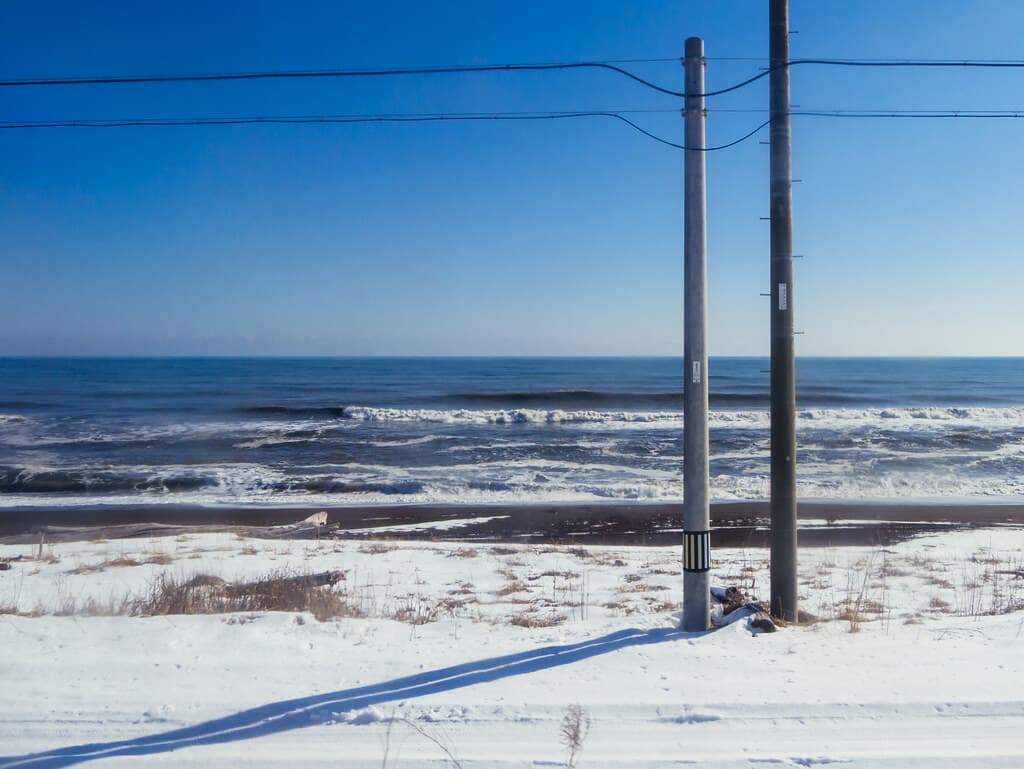
“The charcoal-black sand stretches cold beneath your bare feet as white-capped rollers thunder toward shore, their roar mixing with the cries of red-crowned cranes from inland marshes. This is surfing at the edge of…”
Limited recent visitor reports — live OBI telemetry is your best guide for current conditions.
Otanoshike Beach sits where Kushiro's sprawling wetlands meet the North Pacific, a stretch of dark volcanic sand that absorbs heat in summer and crunches underfoot even in winter. The waves here don't quit—Pacific swells march in relentlessly, shaped by offshore winds that funnel through the coastal plain. You'll paddle out beside local surfers who've been riding these breaks for decades, their neoprene hoods pulled tight against the Oyashio Current's chill, even in August.
The beach's fame among Japanese surfers stems from its reliability: while other Hokkaido breaks go flat, Otanoshike maintains rideable waves through all four seasons. Between sets, you might spot Steller's sea eagles perched on driftwood logs, or catch the silhouette of sika deer emerging from the shoreline pines at dawn. The water temperature rarely climbs above 15°C, demanding a quality wetsuit and a certain tolerance for discomfort that keeps crowds manageable.
Long-tail boats moored in clear water
Crystal lagoon with rocky outcrop
Consistent breaks all four seasons
Sea eagles and harbor seals
Red-crowned crane observation nearby
Where it is
Otanoshike Beach
Kushiro, Hokkaido, Japan
42.997200°, 144.308400°
Weather
Loading…
Swell
—
Temp
Warm · Restorative
UV Index
Moderate
Wind
—
Tidal State
Last known
Max Sunlight
—
Ideal Shade
—
May - Sep (Peak)
Jan - Dec (Off-season)
Historical data suggests peak visibility and stable sea temperatures occur during the prime visitation window.
Select a category to load nearby places.
Unlock restaurants, luxury stays and curated maritime experiences within 2km
Otanoshike Beach is primarily known as a surfing destination rather than a swimming beach. The waters can have strong currents and waves that attract surfers but may be challenging for casual swimmers. The beach is relatively remote with limited lifeguard services, so caution is essential. If you plan to swim, stay close to shore and be aware of changing conditions. The water remains cold year-round due to Hokkaido's northern location, so wetsuits are recommended even in summer.
Otanoshike Beach offers surfing opportunities year-round, though each season presents different conditions. Autumn and winter typically bring larger swells and more consistent waves, attracting experienced surfers, but require full wetsuits due to cold temperatures. Summer offers milder weather and is more comfortable for beginners, though waves can be smaller. Spring provides a balance of decent swells and improving weather. Early morning sessions often have the cleanest conditions before winds pick up later in the day.
Otanoshike Beach is located approximately 30-40 minutes by car from central Kushiro. Having your own vehicle is highly recommended, as public transportation options to the beach are limited. From Kushiro, take Route 44 eastward toward the coast. Parking is available near the beach, though facilities are basic. The beach's somewhat remote location means it's less crowded than urban beaches. If relying on public transport, consider combining a bus or taxi from Kushiro Station with careful timing for your return journey.
Otanoshike Beach is in a relatively undeveloped coastal area, so amenities directly at the beach are minimal. You'll find basic facilities but limited food options on-site. Most visitors base themselves in Kushiro city, about 30-40 minutes away, which offers numerous restaurants, hotels, and shops. Some surfers prefer bringing their own food and drinks for beach days. A few guesthouses and minshuku (Japanese-style B&Bs) exist in the general area, though advance booking is recommended, especially during peak surfing seasons.
The coastal area around Otanoshike Beach offers opportunities to spot various wildlife typical of eastern Hokkaido. Seabirds are commonly seen along the shoreline throughout the year. The nearby wetlands and coastal regions are part of Kushiro's rich ecosystem, known for red-crowned cranes, though these are more readily spotted at designated crane observation sites inland. Occasionally, seals or sea lions may be visible offshore. The beach's natural, less-developed setting contributes to its appeal for nature enthusiasts beyond just surfing.
Photos