Counting the waves…
Counting the waves…
A refined fusion of water purity, environmental stability, and communal vibrancy for Tsurui Coast Beach.
View MethodologyAnalyzed via live sensors and environmental data.
Wave height, wind, and atmospheric stability.
Live footfall and crowd balance metrics.
Community reviews and curated sentiment.
“You'll find Tsurui Coast Beach where fishing nets dry on weathered poles and the smell of kelp mixes with diesel from the morning boats. This is Kushiro's working waterfront—a place where locals launch kayaks at dawn…”
Limited recent visitor reports — live OBI telemetry is your best guide for current conditions.
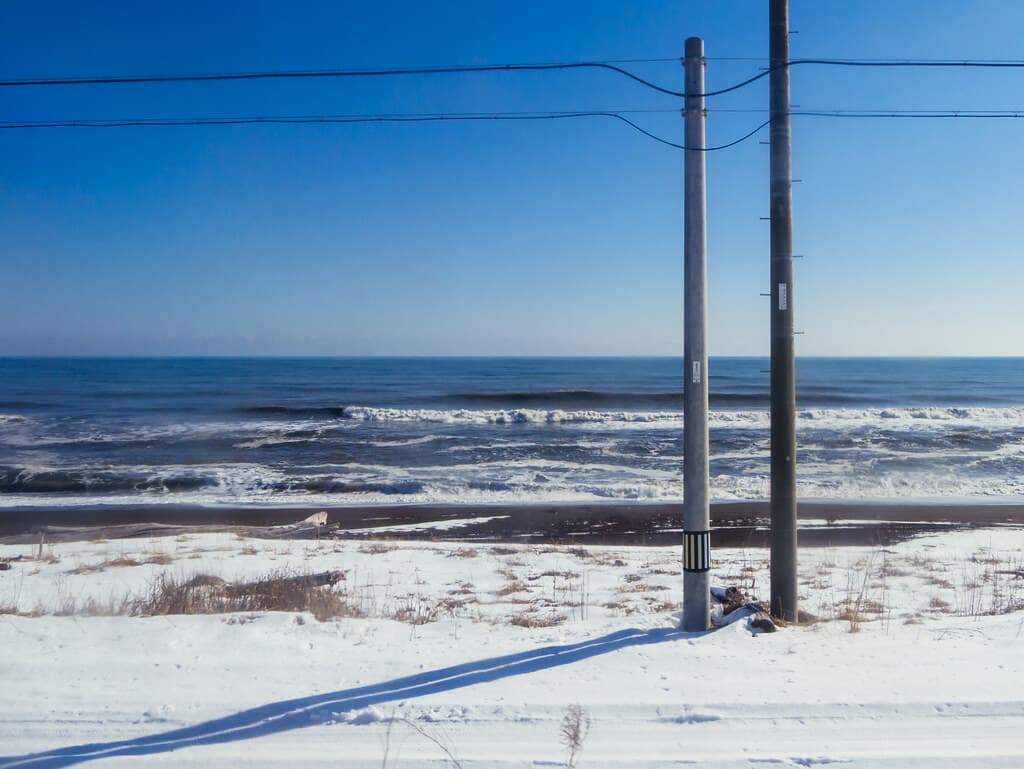
The beach unfolds as a wide expanse of grey-brown pebbles that clatter underfoot, bordered by low concrete tetrapods and the occasional driftwood log smoothed by winter storms. Fog blankets the shore most mornings, muffling the crash of Pacific swells and lending the coastline an intimate, enclosed feeling. By afternoon, when the mist burns off, you'll see the Kushiro Wetlands stretching inland—a vast patchwork of marsh grass where red-crowned cranes stalk through shallow pools.
This is fundamentally a locals' beach, the kind where fishermen check their lines before breakfast and retirees walk their dogs along the tide line. A small concrete pavilion offers shelter from sudden rain squalls, its walls papered with faded community notices in Japanese. The water stays bracingly cold year-round, even in August, fed by the Oyashio Current that sweeps down from the Sea of Okhotsk.
Crane Photography
Coastal Foraging
Wetlands backdrop frames wading birds
Edible seaweed clings to rocks
Launch near concrete boat ramp
Where it is
Tsurui Coast Beach
Kushiro, Hokkaido, Japan
43.020100°, 144.361200°
Weather
Loading…
Swell
—
Temp
Warm · Restorative
UV Index
Moderate
Wind
—
Tidal State
Last known
Max Sunlight
—
Ideal Shade
—
May - Sep (Peak)
Jan - Dec (Off-season)
Historical data suggests peak visibility and stable sea temperatures occur during the prime visitation window.
Select a category to load nearby places.
Unlock restaurants, luxury stays and curated maritime experiences within 2km
Tsurui Coast Beach faces the cold Pacific Ocean in eastern Hokkaido, where water temperatures remain quite chilly even in summer. The beach is primarily used by locals for walking and relaxation rather than swimming. Strong currents and cold waters make swimming challenging and potentially unsafe. There are no lifeguards on duty, as this is a local-use beach without developed tourism infrastructure. Visitors should exercise caution near the water and avoid swimming unless experienced with cold-water conditions and aware of local tidal patterns.
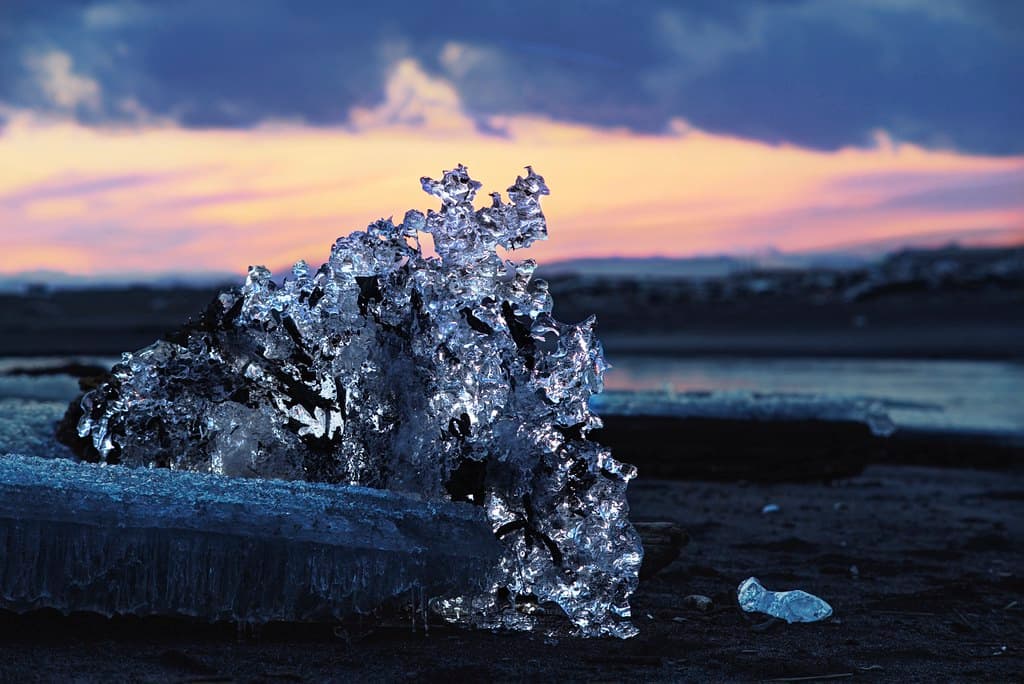
Tsurui Coast Beach can be visited year-round, offering different experiences each season. Summer (July-August) provides the mildest weather for beach walks and coastal exploration. Winter transforms the area into a dramatic landscape with possible sea ice formations and opportunities to spot white-tailed eagles. Spring and autumn offer peaceful solitude with fewer visitors. Since Tsurui is famous for its red-crowned cranes, combining a beach visit with crane watching from late autumn through early spring creates a memorable experience unique to this Hokkaido region.
Tsurui Coast Beach is most accessible by car, located in rural eastern Hokkaido near Kushiro. From Kushiro city, drive approximately 40-50 minutes northeast through Tsurui Village toward the Pacific coast. Public transportation options are extremely limited in this area, making a rental car essential for most visitors. As a local-use beach without major tourist development, parking facilities are basic and informal. Space is typically available along the roadside near beach access points. Navigation apps may have limited detail, so confirming directions locally is advisable.
Tsurui Coast Beach has minimal facilities directly at the beach itself, as it's a quiet local spot rather than a resort area. Basic amenities and small shops can be found in Tsurui Village, several kilometres inland. For dining and accommodation, Kushiro city (40-50 minutes away) offers the widest selection of hotels, guesthouses, and restaurants featuring local Hokkaido seafood. Some visitors stay at rural lodges or minshuku in Tsurui Village to experience the area's famous crane watching while being relatively close to the coast.
While red-crowned cranes primarily inhabit the wetlands and marshes inland from Tsurui Coast Beach, the broader Tsurui area is Japan's most famous crane sanctuary. Dedicated crane observation sites like the Tsurui-Ito Tancho Sanctuary are located several kilometres from the coast. Visiting the beach can be combined with crane watching during winter months (November-March) when hundreds of cranes gather in the area. The coastal visit offers a different landscape perspective of this crane-rich region, though you're unlikely to see cranes directly at the beach itself.
Photos