
Counting the waves…
Counting the waves…
A refined fusion of water purity, environmental stability, and communal vibrancy for Zenibako Beach.
View MethodologyAnalyzed via live sensors and environmental data.
Wave height, wind, and atmospheric stability.
Live footfall and crowd balance metrics.
Community reviews and curated sentiment.
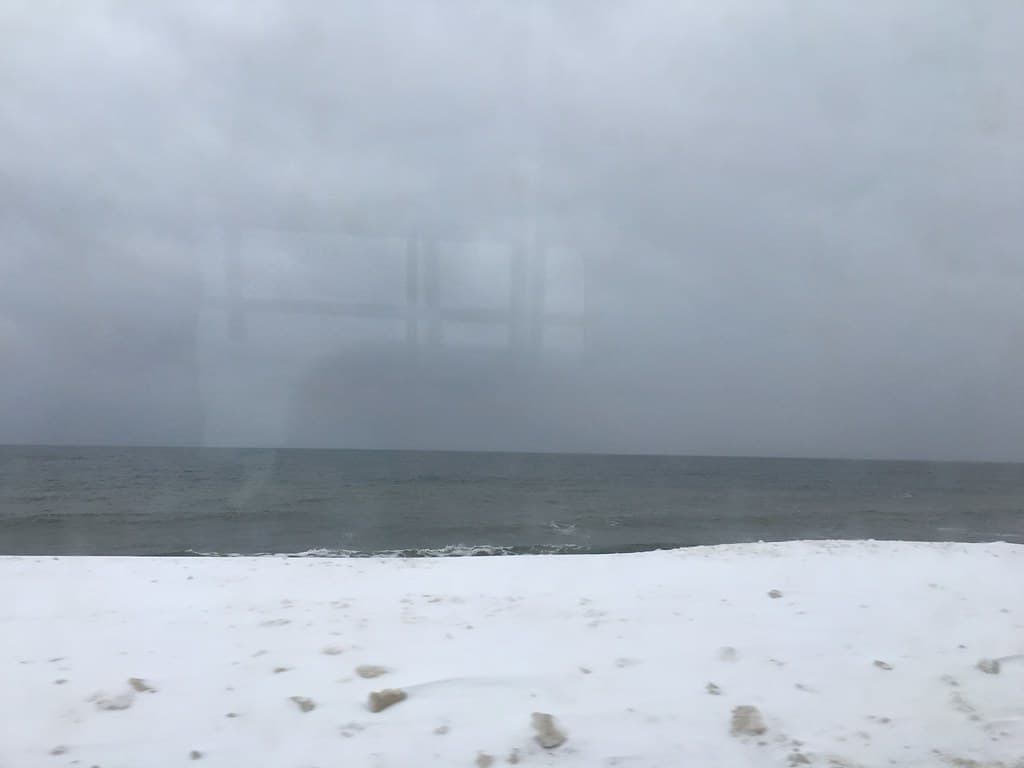
“You'll pull on a wetsuit thick enough for Alaska as the Sea of Japan sends steady winter sets onto Zenibako's black sand. Surfers bob in the line-up while snow dusts the coastal mountains behind you. The water stings…”
Higher weekend density may affect water purity and crowd scores temporarily.
The beach spreads wide and dark beneath the Shakotan Peninsula's western shadow, a sweep of volcanic sand that absorbs heat in summer and turns slate-grey under winter storm light. You'll find the break busy most mornings—Sapporo's surf crowd makes the forty-minute drive before work, paddling out in five-millimeter rubber as steam rises from their breath. The waves here build from northwest swells, peeling left and right off sandbars that shift with typhoon season and winter gales.
Between sets, you can watch fishing boats chug toward Otaru's harbour while the Tenguyama ropeway glints on the hillside. The beach lacks the postcard charm of Okinawa's coral strands; instead, it offers something rarer in Japan—consistent surf within reach of a proper city. Locals pack onigiri and thermoses, settling on driftwood logs to watch their friends take off on shoulder-high walls that fold fast and punchy.
Winter northwest sets peel clean
Uni and ikura downtown
Snow peaks meet black sand
Where it is
Zenibako Beach
Otaru, Hokkaido, Japan
43.186500°, 141.015200°
Weather
Loading…
Swell
—
Temp
Warm · Restorative
UV Index
Moderate
Wind
—
Tidal State
Last known
Max Sunlight
—
Ideal Shade
—
May - Sep (Peak)
Jan - Dec (Off-season)
Historical data suggests peak visibility and stable sea temperatures occur during the prime visitation window.
Select a category to load nearby places.
Unlock restaurants, luxury stays and curated maritime experiences within 2km
Zenibako Beach is primarily known as a surfing destination rather than a swimming beach. The waves that attract surfers can create challenging conditions for casual swimmers. During summer months, lifeguards are typically present, but strong currents and waves require caution. The beach is more suitable for experienced swimmers and surfers. Water temperatures remain quite cold even in summer due to Hokkaido's northern location. Always check local conditions before entering the water and stay within designated areas when lifeguards are on duty.
Zenibako Beach attracts surfers year-round, though each season offers different conditions. Summer (July-August) provides warmer weather and is popular with beginners, though waves may be smaller. Autumn and spring offer more consistent swells and fewer crowds. Winter surfing is possible but requires thick wetsuits due to frigid temperatures. For general beach visits, July and August are most comfortable with temperatures around 20-25°C. However, dedicated surfers favor September through November for better wave conditions, balancing rideable swells with tolerable weather.
Zenibako Beach is located approximately 20 minutes by car from central Otaru. Take Route 5 heading toward Sapporo, then follow signs to Zenibako. Free parking is available near the beach, though spaces fill quickly during summer weekends. By public transport, take the JR Hakodate Main Line from Otaru Station to Zenibako Station (about 10 minutes), then walk approximately 5 minutes to the beach. The train option is convenient and affordable, making this beach accessible without a car, unlike many Hokkaido coastal destinations.
Zenibako Beach has limited on-site facilities, with a few small beach shacks and vending machines during summer. For dining, you'll find casual restaurants and convenience stores within walking distance from the station. Most visitors base themselves in nearby Otaru, just 10 minutes away, which offers extensive dining options featuring fresh seafood and Hokkaido specialties. Otaru also provides numerous hotels, guesthouses, and ryokan accommodations. Some surfers choose beachside minshuku (family-run inns) in the Zenibako area for early morning sessions and a more local experience.
Zenibako Beach can accommodate beginners during calmer summer conditions, though it's generally considered an intermediate spot. The beach break produces varied wave conditions depending on season and swell direction. Several local surf shops offer lessons and board rentals specifically for beginners during summer months. However, autumn and winter conditions are typically too challenging for first-timers. If you're new to surfing, visit during July or August and consider booking a lesson with instructors familiar with the local breaks, currents, and seasonal conditions specific to this Hokkaido coastline.