Counting the waves…
Counting the waves…
A refined fusion of water purity, environmental stability, and communal vibrancy for Iwaobetsu Beach.
View MethodologyAnalyzed via live sensors and environmental data.
Wave height, wind, and atmospheric stability.
Live footfall and crowd balance metrics.
Community reviews and curated sentiment.
“You'll hear the grinding of wave-tumbled stones before you see the gray-black beach stretching beneath Mount Rausu's flanks. Cold Okhotsk currents lap at a shoreline where brown bears sometimes wander down from the…”
Limited recent visitor reports — live OBI telemetry is your best guide for current conditions.
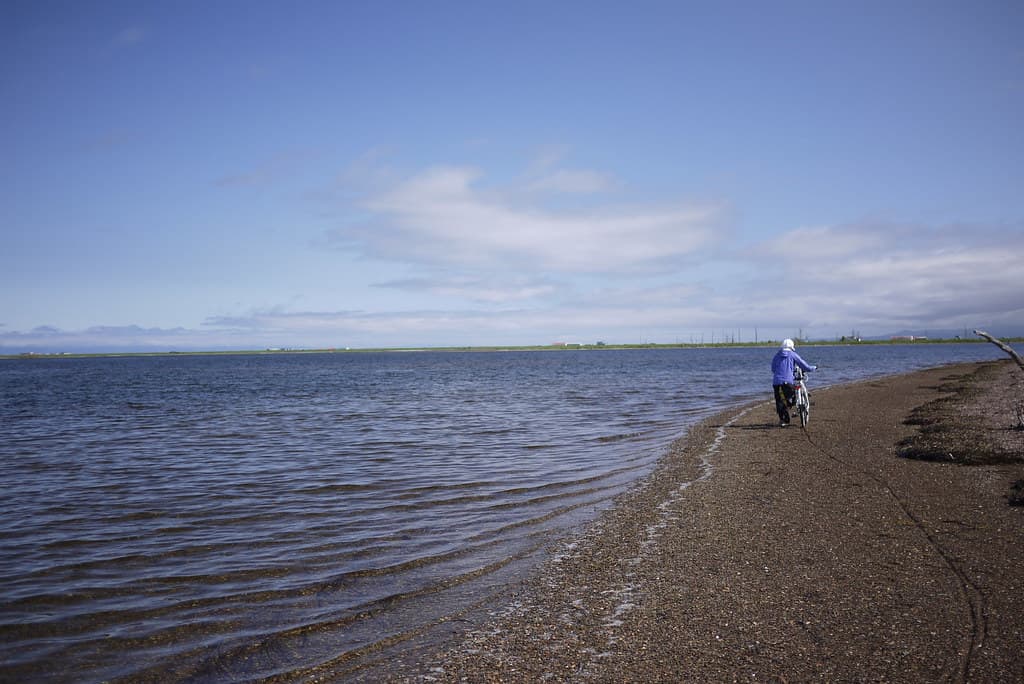
Iwaobetsu Beach curves along the southern edge of Shiretoko Peninsula, a stretch of volcanic cobbles and boulders that the Okhotsk Sea has been shaping for millennia. The stones clatter and shift with each retreating wave, a percussion that echoes off the forested cliffs rising directly behind the shore. In winter, drift ice from Russia's Amur River locks the coastline in white; come summer, the same water remains cold enough to numb your ankles in seconds.
The beach sits within Shiretoko National Park, where the infrastructure is deliberately minimal—no umbrellas, no concessions, no lifeguards. A single parking area and basic facilities serve visitors who come to photograph the saw-toothed peaks reflected in tidal pools or to watch seals bob offshore. The water is too frigid for swimming most of the year, but that's not why you've driven the winding coastal road to get here.
Tropical island lagoon from above
Crashing wave at sunset on the shoreline
February ice floes at sunrise
Bear-aware walks through old growth
Smoked autumn catch from locals
Where it is
Iwaobetsu Beach
Shari, Hokkaido, Japan
44.122600°, 145.093100°
Weather
Loading…
Swell
—
Temp
Warm · Restorative
UV Index
Moderate
Wind
—
Tidal State
Last known
Max Sunlight
—
Ideal Shade
—
May - Sep (Peak)
Jan - Dec (Off-season)
Historical data suggests peak visibility and stable sea temperatures occur during the prime visitation window.
Select a category to load nearby places.
Unlock restaurants, luxury stays and curated maritime experiences within 2km
Swimming at Iwaobetsu Beach is generally not recommended for most visitors. Located along Hokkaido's rugged Shiretoko Peninsula coastline, the water temperatures remain quite cold year-round, even in summer. The beach also experiences strong currents and waves, particularly during autumn and winter storms. There are no lifeguards on duty, and facilities are minimal. Most visitors come for scenic walks, wildlife viewing, and photography rather than swimming. If you do enter the water, exercise extreme caution and stay close to shore.
Iwaobetsu Beach offers different experiences throughout the year. Summer (June-August) provides the most comfortable weather for walking along the shore, with temperatures around 15-20°C and calmer seas. Autumn (September-October) brings dramatic coastal scenery with changing foliage in nearby forests. Winter visits reveal stunning ice formations and drift ice (late January-March), though temperatures drop well below freezing. Spring sees the return of migratory birds. The beach is accessible year-round, but winter requires proper cold-weather gear and caution on potentially icy paths.
Iwaobetsu Beach is located within Shiretoko National Park, accessible via Route 334 along the Shiretoko Peninsula's eastern coast. From Shari town, drive approximately 50 minutes northward. The nearest landmark is the Iwaobetsu Onsen area. Parking is available at designated areas near the beach access points, though facilities are basic. Public transportation is extremely limited in this remote area, so renting a car from Shari or Utoro is strongly recommended. The road may be closed or difficult to navigate during heavy winter snowfall.
Iwaobetsu Beach is in a remote area with very limited amenities directly on-site. The nearest accommodations and hot spring facilities are at Iwaobetsu Onsen, a short distance away, offering traditional Japanese lodging with meals included. More extensive options are available in Utoro (about 30 minutes north) or Shari town (50 minutes south), including hotels, guesthouses, restaurants, and convenience stores. Visitors should bring their own food and water when visiting the beach, as there are no shops or restaurants at the beach itself. Plan accordingly for this isolated location.
Iwaobetsu Beach offers excellent wildlife viewing opportunities, particularly for marine and coastal species. The Shiretoko Peninsula is a UNESCO World Heritage site known for its biodiversity. Visitors may spot seals lounging on rocks near shore, especially during quieter times of day. Seabirds are abundant, with various species visible depending on season. During winter, the drift ice brings unique marine ecosystems close to shore. Brown bears inhabit the nearby forests and occasionally visit coastal areas, so maintain appropriate caution and make noise while walking to avoid unexpected encounters.
Photos