Counting the waves…
Counting the waves…
A refined fusion of water purity, environmental stability, and communal vibrancy for Utoro Beach.
View MethodologyAnalyzed via live sensors and environmental data.
Wave height, wind, and atmospheric stability.
Live footfall and crowd balance metrics.
Community reviews and curated sentiment.
“You'll smell the kelp before you see the dark pebbles stretching beneath Shiretoko's jagged peaks. Winter brings ice floes that creak and grind against the shore; summer paints the cliffs in alpine flowers. This is…”
Limited recent visitor reports — live OBI telemetry is your best guide for current conditions.
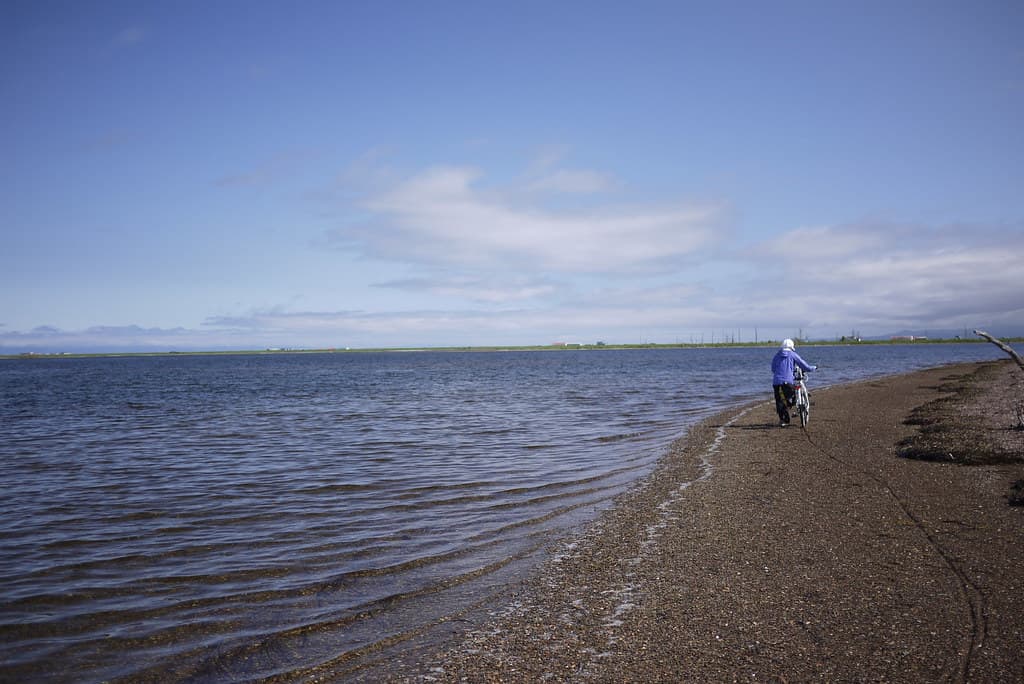
Utoro sits at the western threshold of Shiretoko National Park, where the Okhotsk coastline trades sand for smooth stones worn by volcanic fury and Arctic currents. You'll walk a shore framed by basalt columns and near-vertical mountains that plunge straight into grey-blue water. In February and March, pack ice drifts down from Russia, transforming the beach into a shifting puzzle of white slabs that groan and crack with the tide. Locals in orange wetsuits harvest sea urchin in the shallows year-round, indifferent to the cold.
The town itself clings to function over charm: squat concrete hotels, a fish market where salmon heads glisten on ice, diesel fumes from tour boats heading to the peninsula's inaccessible eastern cliffs. But sunsets here stop conversations mid-sentence. The sky bruises purple and tangerine behind the Shiretoko range, light bleeding across water so cold it numbs your fingers in seconds. Gulls wheel overhead, and if you're quiet, you might spot a white-tailed eagle perched on driftwood.
Tropical island lagoon from above
Crashing wave at sunset on the shoreline
February mornings capture stacked floes
Paddle beneath vertical basalt cliffs
Twenty minutes to ocean-view cascade
Where it is
Utoro Beach
Shari, Hokkaido, Japan
44.063700°, 145.003200°
Weather
Loading…
Swell
—
Temp
Warm · Restorative
UV Index
Moderate
Wind
—
Tidal State
Last known
Max Sunlight
—
Ideal Shade
—
May - Sep (Peak)
Jan - Dec (Off-season)
Historical data suggests peak visibility and stable sea temperatures occur during the prime visitation window.
Select a category to load nearby places.
Unlock restaurants, luxury stays and curated maritime experiences within 2km
Swimming at Utoro Beach is generally not recommended. The waters off Hokkaido's Shiretoko Peninsula are extremely cold year-round, even in summer, and currents can be strong and unpredictable. The beach is primarily valued for its scenic beauty, wildlife viewing, and sunset photography rather than swimming. Most visitors come to enjoy the dramatic coastal views and use Utoro as a base for exploring Shiretoko National Park. If you're interested in water activities, consider the nearby onsen hot springs instead.
Utoro Beach can be visited year-round, with each season offering unique experiences. Summer (June-August) provides the warmest weather and best access to Shiretoko National Park activities, though it's peak tourist season. Spring and autumn offer fewer crowds and beautiful seasonal colours. Winter transforms the area with drift ice viewing (February-March), a spectacular natural phenomenon. For stunning sunsets over the Sea of Okhotsk, clear evenings in summer and autumn are ideal. Note that some park facilities and boat tours operate seasonally, primarily from late April to October.
Utoro Beach is located in the town of Utoro in Shari, eastern Hokkaido. The most common route is flying to Memanbetsu Airport, then driving approximately 90 minutes via Route 334. Car rental is highly recommended as public transportation is limited. Buses run from Shari and Abashiri stations, but services are infrequent. Free parking is available near the beach and throughout Utoro town. The drive along the coastal road offers spectacular scenery, making a rental car the preferred option for most visitors exploring the Shiretoko region.
Utoro town offers various accommodation options, from traditional ryokan inns to modern hotels, many featuring natural hot spring baths with ocean views. The area is known for fresh seafood, particularly salmon, sea urchin, and crab. Numerous restaurants serve local Hokkaido cuisine, with some specializing in seafood donburi bowls. Convenience stores and small supermarkets are available for basic supplies. Many hotels offer half-board options with dinner and breakfast. Book accommodations well in advance during peak seasons (summer and drift ice season) as options are limited in this remote area.
Utoro Beach and the surrounding Shiretoko area are renowned for wildlife viewing opportunities. From the beach, you may spot seabirds, seals, and occasionally dolphins or whales offshore. The region is part of a UNESCO World Heritage Site known for exceptional biodiversity. Brown bears inhabit the area, though beach sightings are rare. For better wildlife viewing, consider taking a boat tour from Utoro port, which increases chances of seeing marine mammals and offers coastal perspectives of the peninsula. Early morning and evening typically provide the best viewing conditions.
Photos