
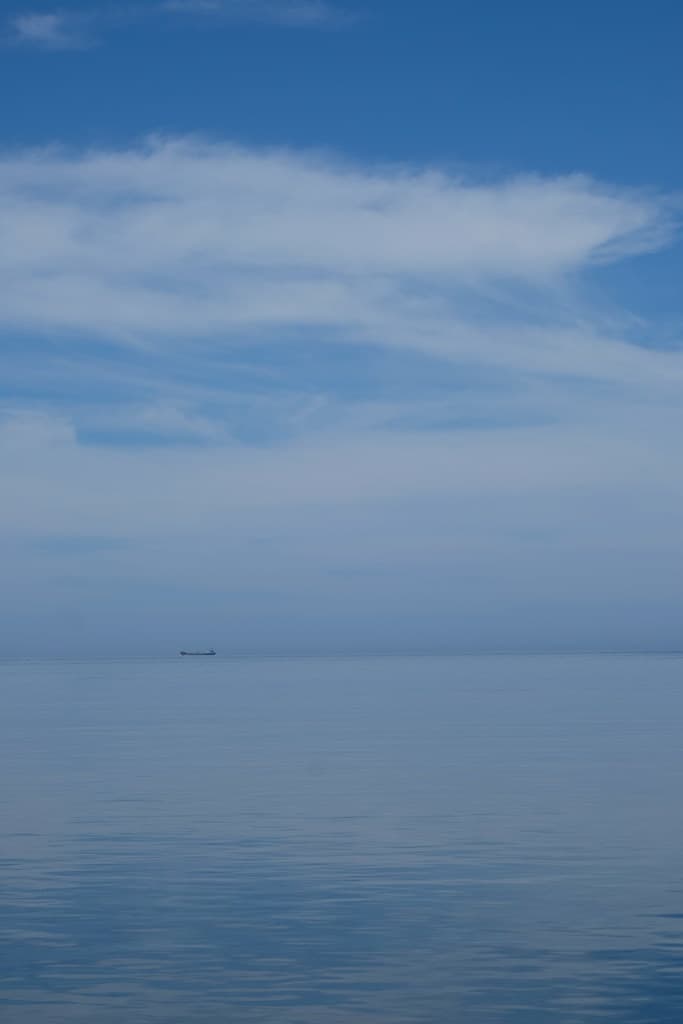
Counting the waves…
Counting the waves…
A refined fusion of water purity, environmental stability, and communal vibrancy for Noshappu Beach.
View MethodologyAnalyzed via live sensors and environmental data.
Wave height, wind, and atmospheric stability.
Live footfall and crowd balance metrics.
Community reviews and curated sentiment.
“Noshappu Beach curves along Wakkanai's western edge, where volcanic sand meets the Sea of Japan and the horizon wears two faces. You'll smell brine mixed with pine as the evening wind picks up, carrying the cries of…”
Limited recent visitor reports — live OBI telemetry is your best guide for current conditions.
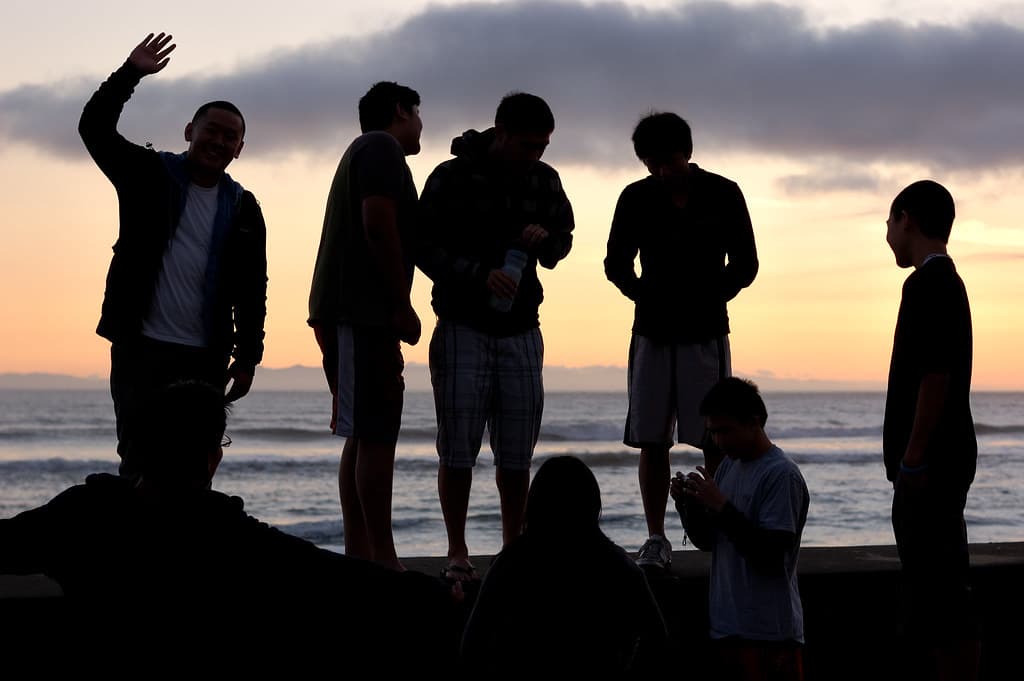
You're standing as far north as Japan allows, where the 45th parallel slices through a crescent of charcoal sand and the Russian island of Sakhalin hovers like a mirage eleven miles offshore. Noshappu Beach stretches beneath Cape Noshappu's lighthouse, a thin ribbon where the Soya Strait churns cold and restless even in August. The water temperature rarely climbs above sixty degrees, and most visitors keep their shoes on, drawn instead by what happens behind them: the sun dropping behind the ridgeline of Mount Rishiri, sixty miles southwest, its volcanic cone cutting the sky into geometric planes of tangerine and plum.
The beach operates on a different clock than Okinawa or Shonan. In June the sun doesn't set until seven-thirty, lingering above the basalt outcrops as if reluctant to leave. By November, darkness arrives before five, and the wind off Siberia turns the sand into a skittering, stinging veil. Fishing boats chug past on their way to the Soya port, their diesel engines punctuating the crash of waves against tetrapods—those concrete jacks the Japanese stack along every vulnerable shore.
Capture Russian island silhouettes nightly
Harbor stalls sell June–August catch
Lighthouse loop takes twenty minutes
Where it is
Noshappu Beach
Wakkanai, Hokkaido, Japan
45.432100°, 141.655200°
Weather
Loading…
Swell
—
Temp
Warm · Restorative
UV Index
Moderate
Wind
—
Tidal State
Last known
Max Sunlight
—
Ideal Shade
—
May - Sep (Peak)
Jan - Dec (Off-season)
Historical data suggests peak visibility and stable sea temperatures occur during the prime visitation window.
Select a category to load nearby places.
Unlock restaurants, luxury stays and curated maritime experiences within 2km
Noshappu Beach is generally not recommended for swimming due to cold water temperatures year-round, strong currents, and lack of lifeguard services. The Sea of Japan waters here remain chilly even in summer, typically ranging from 15-20°C (59-68°F). The beach is primarily enjoyed for scenic walks, photography, and sunset viewing rather than water activities. If you do enter the water, exercise extreme caution and stay close to shore. The beach's main appeal lies in its coastal scenery and position as Japan's northernmost beach destination.
Noshappu Beach is renowned as one of Hokkaido's finest sunset viewing spots, accessible year-round with different seasonal atmospheres. Summer (June-August) offers the warmest weather and clear skies, with sunsets around 7-7:30 PM. Winter provides dramatic sunset views with snow-covered landscapes, though temperatures drop well below freezing. Spring and autumn offer comfortable conditions with fewer crowds. Clear days are essential for optimal sunset photography. The beach faces west across the Sea of Japan, providing unobstructed horizon views. Check local weather forecasts before visiting to maximize your chances of witnessing spectacular sunsets.
Noshappu Beach is located approximately 7 kilometers west of central Wakkanai Station. By car, it's about a 15-20 minute drive, and free parking is available near the beach. Local buses run from Wakkanai Station toward Noshappu, though service may be limited, especially in winter—check current schedules at the station or tourist information center. Cycling is popular during warmer months, with rental bikes available in Wakkanai. Taxis from the station cost approximately 2,000-2,500 yen. The beach area is well-signposted in Japanese and some English.
The Noshappu area has several seafood restaurants and small eateries featuring local Hokkaido specialties, particularly fresh uni (sea urchin) and other seafood. The nearby Noshappu Aquarium area includes a rest house with basic facilities and seasonal food vendors. Amenities at the beach itself are limited, with public restrooms available but few other facilities. For more dining options and accommodations, central Wakkanai (7km away) offers hotels, guesthouses, and restaurants. It's advisable to bring drinks and snacks if planning an extended visit, especially during off-peak seasons when nearby facilities may have limited hours.
Yes, on exceptionally clear days, you can see Sakhalin Island (Russia) from Noshappu Beach, located approximately 43 kilometers across the Soya Strait. This unique geographical feature makes Noshappu Beach special as one of the few places in Japan where you can view Russian territory with the naked eye. Visibility depends heavily on weather conditions—clear, crisp days with low humidity offer the best chances, particularly common in spring and autumn. Nearby Cape Soya also offers views of Sakhalin and includes monuments marking Japan's northernmost point, making the area significant for geography enthusiasts.