Counting the waves…
Counting the waves…
A refined fusion of water purity, environmental stability, and communal vibrancy for Kobama Beach.
View MethodologyAnalyzed via live sensors and environmental data.
Wave height, wind, and atmospheric stability.
Live footfall and crowd balance metrics.
Community reviews and curated sentiment.
“No signs direct you to Kobama Beach. The access road simply ends at a small gravel lot where grass pushes through the stones, and beyond it lies a crescent of sand that appears on few maps.”
Limited recent visitor reports — live OBI telemetry is your best guide for current conditions.
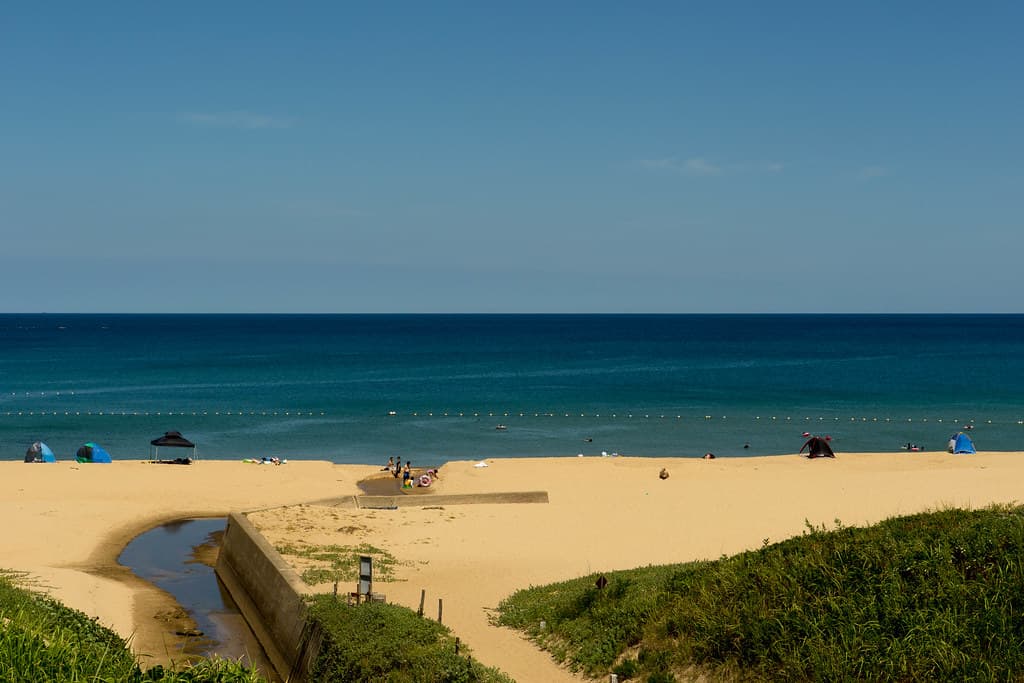
Kobama Beach feels like a secret kept casually rather than jealously. The sand here is fine-grained and blonde, unmarked except for bird tracks and the occasional tire trace from a fisherman's truck. Gentle waves break in regular sets, their foam lines parallel to shore. The beach curves between two modest headlands, neither dramatic enough to attract photographers but sufficient to create a sense of enclosure, of sanctuary.
You might encounter a family here, staking umbrellas into the sand with the confidence of repeat visitors. Or an elderly couple walking the tide line, pausing to examine shells. Or no one at all, just the gulls and the persistent whisper of waves on sand. Kobama lacks facilities entirely—no buildings, no vendors, no lifeguards. What it offers instead is simplicity: beach, water, sky, the elements arranged in their most basic configuration.
Crashing wave at sunset on the shoreline
Tropical beach hammock between palms
Gentle waves and sandy bottom
Often the beach entirely yours
Low rocky points frame cove
Prime Visitation
Less Crowds
Where it is
Kobama Beach
Kyotango, Kyoto Prefecture, Japan
35.666400°, 135.012600°
Weather
Loading…
Swell
—
Temp
Warm · Restorative
UV Index
Moderate
Wind
—
Tidal State
Last known
Max Sunlight
—
Ideal Shade
—
May - Sep (Peak)
Jan - Dec (Off-season)
Historical data suggests peak visibility and stable sea temperatures occur during the prime visitation window.
Select a category to load nearby places.
Unlock restaurants, luxury stays and curated maritime experiences within 2km
Kobama Beach offers generally safe swimming conditions due to its quiet, sheltered location and sandy bottom. The local beach atmosphere typically means calmer waters compared to more exposed coastlines. However, facilities including lifeguards may be limited or seasonal, so visitors should exercise standard water safety precautions. The sandy beach is comfortable for families, though services will be more basic than at urban beaches. Always check weather and water conditions before swimming. The peaceful nature of the beach makes it suitable for relaxed family outings, but bring necessary supplies as amenities may be minimal. Strong swimmers should still respect ocean conditions and currents.
Kobama Beach remains quiet throughout most of the year due to its hidden, local character. Even during peak summer months of July and August, crowds are significantly smaller than at well-known beaches. Weekdays offer the most peaceful experiences with the beach often feeling nearly private. The shoulder seasons of late spring and early autumn provide excellent weather with virtually no crowds. Local residents may visit on weekends, but tourist numbers remain low. For optimal conditions combining good weather, warm water, and solitude, visit on weekday mornings in June or September. The beach's quiet reputation is well-deserved, making crowd avoidance relatively easy.
Kobama Beach is best accessed by car, as its quiet local character means limited public transportation options. From Kyoto, drive north toward the Tango Peninsula, following local roads to the beach area, approximately 2.5-3 hours total. GPS navigation using the beach name will help locate this less-publicized destination. The nearest train station is likely on the JR Miyazu Line, from where you'd need taxi or rental car to reach the beach. Local signage may be minimal compared to tourist beaches. The journey requires some navigation effort but rewards visitors with a genuine local beach experience away from typical tourist routes.
Kobama Beach's quiet local nature means limited facilities directly at the beach. Visitors should plan to bring their own food, drinks, and beach supplies. Nearby communities may offer small local restaurants serving regional seafood and Japanese cuisine, though options will be limited compared to tourist areas. Accommodations are likely small-scale guesthouses, minshuku, or ryokan in surrounding villages rather than beachfront hotels. Booking in advance is recommended as capacity is limited. The nearest convenience stores and services may require a short drive. The area caters to independent travelers seeking authentic local experiences rather than resort-style amenities and convenience.
Kobama Beach embodies the quiet local beach experience, largely undiscovered by tourists and maintained primarily for nearby residents. Unlike developed or scenic destination beaches, Kobama offers authentic everyday coastal life without commercial development or tourist infrastructure. The sandy beach provides comfortable access while maintaining a peaceful, uncommercial atmosphere. Its hidden status means preservation of natural character and genuine tranquility. The beach appeals to travelers seeking to escape tourist circuits and experience how local communities enjoy their coastline. For those willing to forgo facilities and services, Kobama delivers an intimate, authentic beach experience representative of traditional Japanese coastal life.
Photos