Counting the waves…
Counting the waves…
A refined fusion of water purity, environmental stability, and communal vibrancy for Tanjung Rhu Beach.
View MethodologyAnalyzed via live sensors and environmental data.
Wave height, wind, and atmospheric stability.
Live footfall and crowd balance metrics.
Community reviews and curated sentiment.
“You trace footprints along five kilometers of talc-white sand, listening to wavelets dissolve into silence beneath casuarina shade. The water barely stirs—shallow for a hundred meters, warm as bathwater, rimmed by…”
Limited recent visitor reports — live OBI telemetry is your best guide for current conditions.
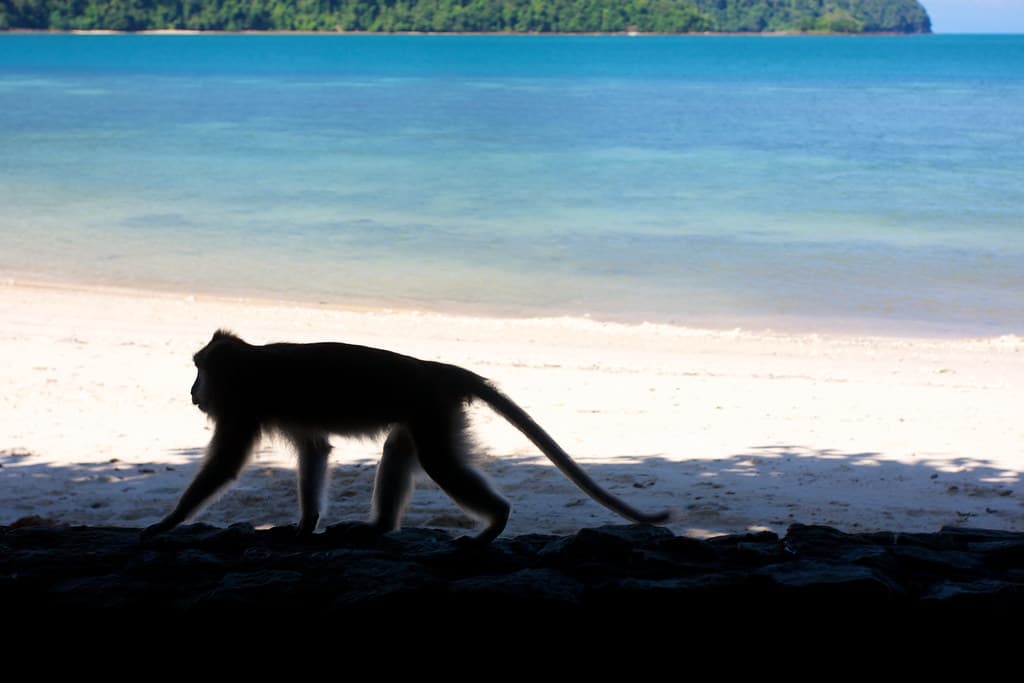
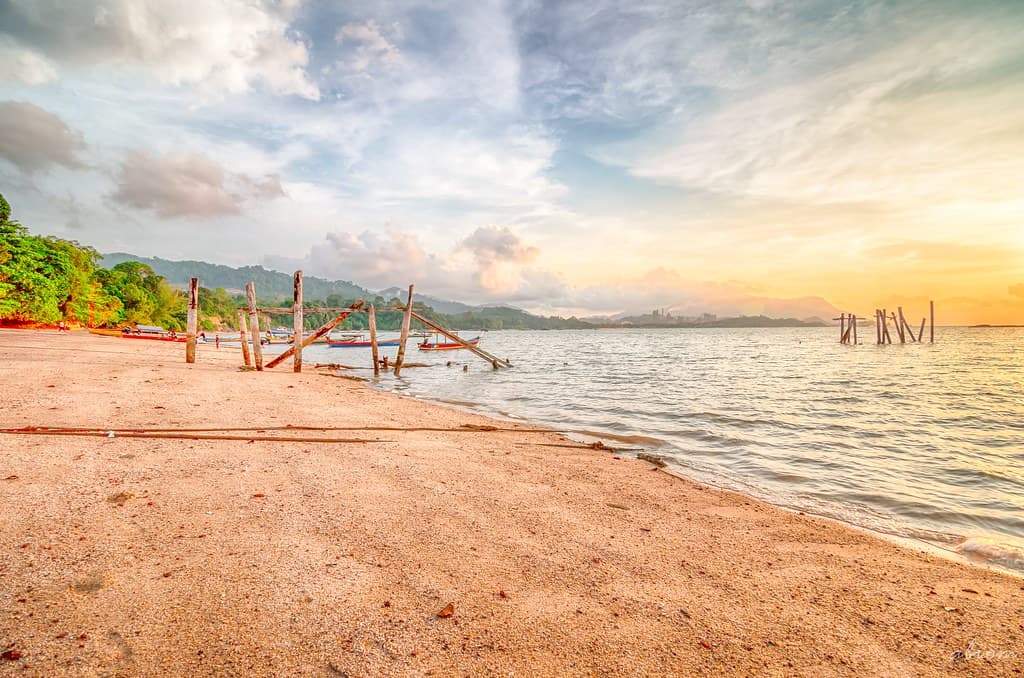
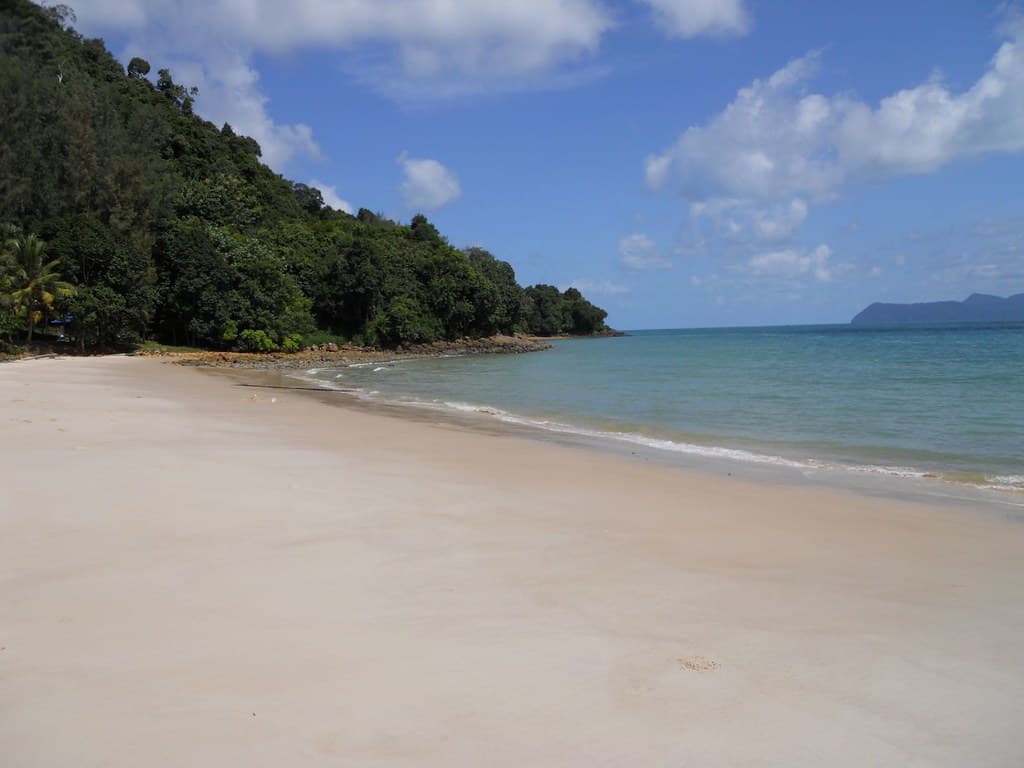
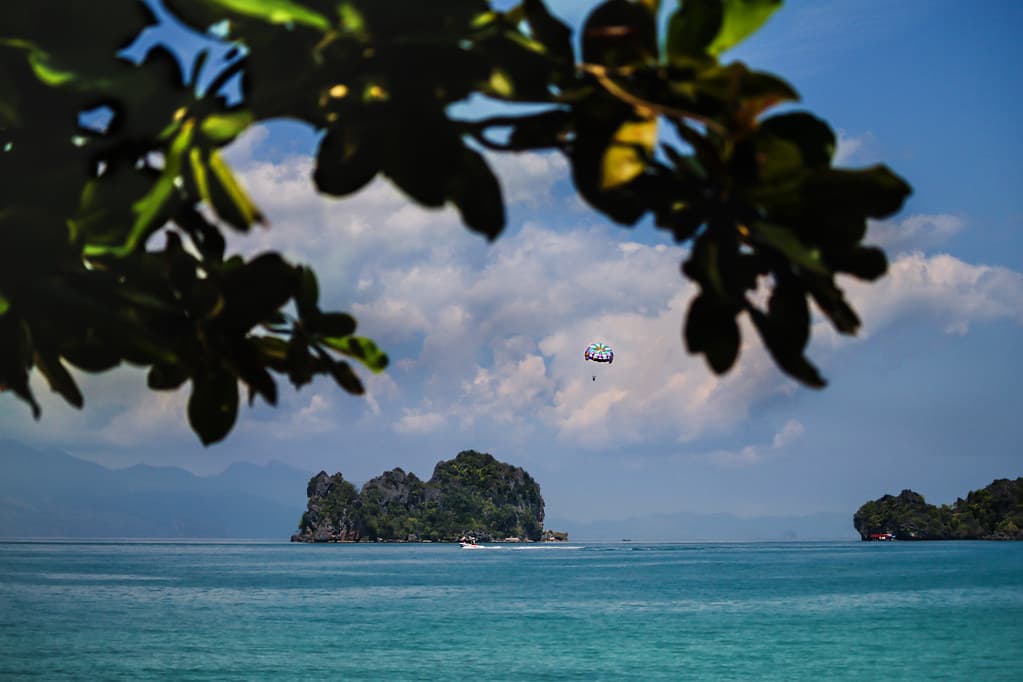
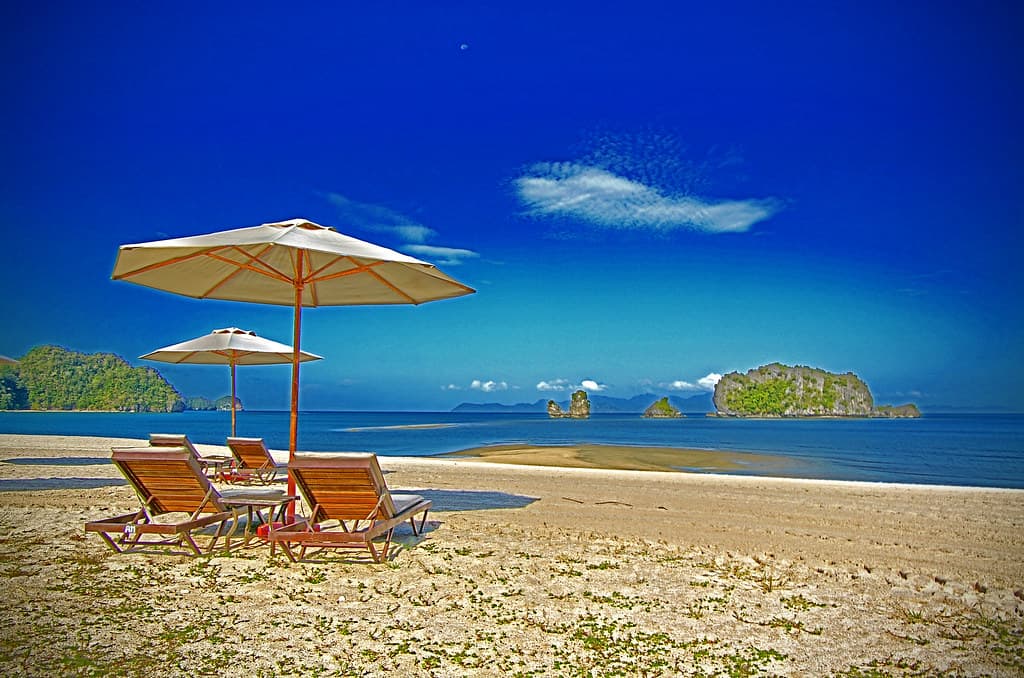
The sand at Tanjung Rhu compresses like cornstarch beneath your toes, so fine it squeaks with each step. This northeastern ribbon of Langkawi curves gently between jungle-clad headlands, facing a scatter of limestone islands that jut from the Andaman like broken teeth. At low tide, you can wade knee-deep toward these karst outcrops for what feels like a quarter-mile, the seabed firm and rippled, the water holding that particular cyan hue where tropical shallows meet white sand.
Casuarina trees tilt landward along the upper beach, their needles carpeting the high-tide line and releasing a piney scent when crushed underfoot. Fishermen moor wooden boats in the bay's protected corners, and on weekday mornings you might share the entire strand with a handful of Malaysian families and the occasional monitor lizard crossing between treeline and dunes. The absence of jetskis and beach clubs feels deliberate here, preserved by distance from Pantai Cenang's hotel strip.
Credit: FlickrWade to Karsts
Credit: FlickrMangrove Paddles
Low tide reveals sandy shallows
Kilim Geoforest Park edges north
Islands frame golden hour perfectly
Prime Visitation
quiet escape
Where it is
Tanjung Rhu Beach
Langkawi, Kedah, Malaysia
6.441800°, 99.817800°
Weather
Loading…
Swell
—
Temp
Warm · Restorative
UV Index
Moderate
Wind
—
Tidal State
Last known
Max Sunlight
—
Ideal Shade
—
Jan - Dec (Peak)
May - Nov (Off-season)
Historical data suggests peak visibility and stable sea temperatures occur during the prime visitation window.
Select a category to load nearby places.
Unlock restaurants, luxury stays and curated maritime experiences within 2km
Tanjung Rhu Beach generally offers calm, safe swimming conditions due to its sheltered location on Langkawi's northern coast. The shallow turquoise waters and gentle waves make it suitable for families and relaxed swimming. However, conditions can vary with tides and monsoon seasons (September to November), when currents may strengthen. There are no lifeguards on duty, so swim cautiously and avoid venturing too far from shore. The beach's tranquil nature means fewer people around to help in emergencies. Always check local weather conditions before entering the water.
The best time to visit Tanjung Rhu Beach is during the dry season from November to March, when you'll enjoy sunny skies, calm seas, and minimal rainfall. December to February offers the most pleasant weather with lower humidity. For a quieter experience, visit on weekdays or early mornings when the beach is less crowded. Avoid the monsoon season (September to November) when heavy rains and rough seas can limit activities. Sunset visits are particularly rewarding, as the beach faces west and offers stunning views over the Andaman Sea.
Tanjung Rhu Beach is located about 20 kilometers north of Kuah Town and roughly 30 minutes from Langkawi International Airport by car. The most convenient way to reach it is by rental car, taxi, or ride-hailing service, as public transportation is limited. Follow Jalan Tanjung Rhu from the main coastal road. Free parking is available near the beach entrance, though spaces can fill during peak tourist seasons. The road is well-paved and clearly signposted. Some visitors combine their trip with stops at nearby attractions like the Tanjung Rhu mangrove tours.
Tanjung Rhu Beach has limited dining options directly on the sand, maintaining its quiet, undeveloped character. The luxury Tanjung Rhu Resort is the main beachfront accommodation, offering upscale dining for guests and visitors. A few small restaurants and cafes can be found along Jalan Tanjung Rhu, serving local Malaysian cuisine and seafood. For more dining variety, head to Pantai Cenang (about 30 minutes south), which has numerous restaurants and hotels. It's advisable to bring snacks and water, especially if visiting for several hours, as amenities are minimal compared to busier Langkawi beaches.
Tanjung Rhu Beach is renowned for its powdery, fine white sand composed primarily of quartz and coral fragments, creating an almost flour-like texture underfoot. The sand remains relatively cool even under tropical sun, making barefoot walks comfortable. This premium sand quality, combined with the beach's dramatic backdrop of limestone karst formations and casuarina trees, creates postcard-perfect scenery. The beach stretches for approximately two kilometers of pristine coastline, relatively untouched by heavy development. The white sand contrasts beautifully with the turquoise waters, making it one of Langkawi's most photogenic and scenic beaches.
Photos