

You step off the bus at the Palm Beach loop and the houses announce themselves immediately—weatherboard baches with saltwater-stained decks, newer builds with floor-to-ceiling glass angled toward the water. The beach unfolds below, a 500-meter arc of bleached quartz sand that squeaks underfoot when dry. The water deepens gradually, its temperature hovering near 20 degrees in February, dropping to 15 by July.
“This is Waiheke's most accessible swimming beach, where the sand stays white and the gradient stays shallow enough for toddlers and nervous swimmers alike.”
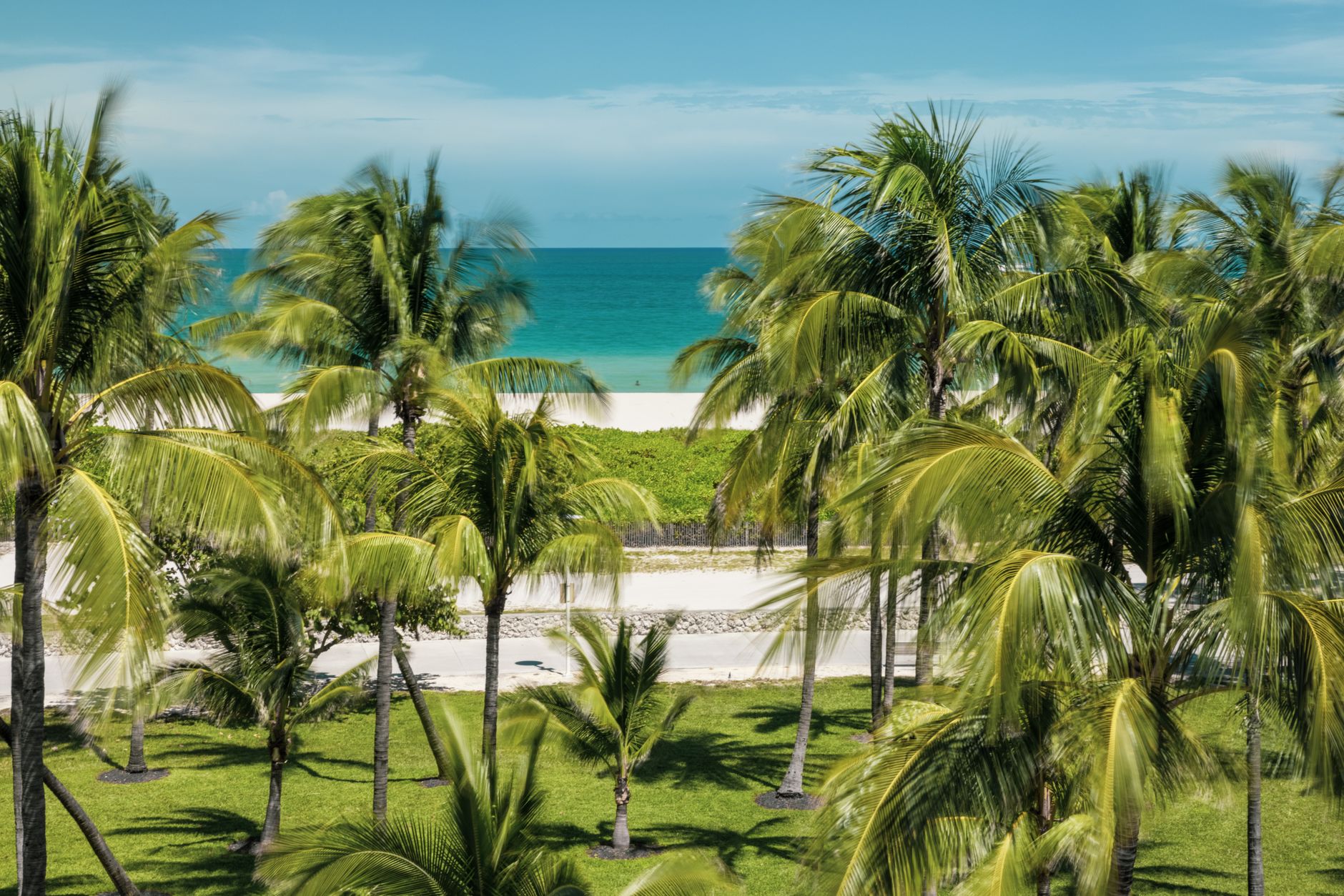 Credit: Pexels
Palm Beach — photo by Anatolii Grytsenko
Families claim their territories early, staking shade beneath beach umbrellas while children wade into water so placid it barely qualifies as surf. The seabed is sand, mostly—no rocks to navigate, no sudden drop-offs to startle swimmers. At high tide the beach narrows to a ribbon; at low, tidal pools form near the western rocks, filled with hermit crabs and the occasional stranded flounder. Rangitoto Island dominates the northern horizon, its volcanic cone dark against afternoon clouds.
The pohutukawa grove at the eastern end provides the only natural shade, its canopy thick enough to filter the harshest midday glare. Roots emerge from the sandy bank like arthritic fingers. The reserve behind the beach holds picnic tables and a playground where the swings creak in the onshore breeze. Kayakers launch from the boat ramp, paddling toward Motuihe Island or simply circling the bay. The water taxi from Auckland deposits passengers at the wharf every forty minutes during summer weekends.


