
Counting the waves…
Counting the waves…
A refined fusion of water purity, environmental stability, and communal vibrancy for Palm Beach.
View MethodologyAnalyzed via live sensors and environmental data.
Wave height, wind, and atmospheric stability.
Live footfall and crowd balance metrics.
Community reviews and curated sentiment.
“The sand stretches pale and fine between two rocky headlands, sheltered from the gulf's prevailing swells. Pohutukawa branches extend over the beach's eastern end, their twisted limbs draped in epiphytes.”
Limited recent visitor reports — live OBI telemetry is your best guide for current conditions.
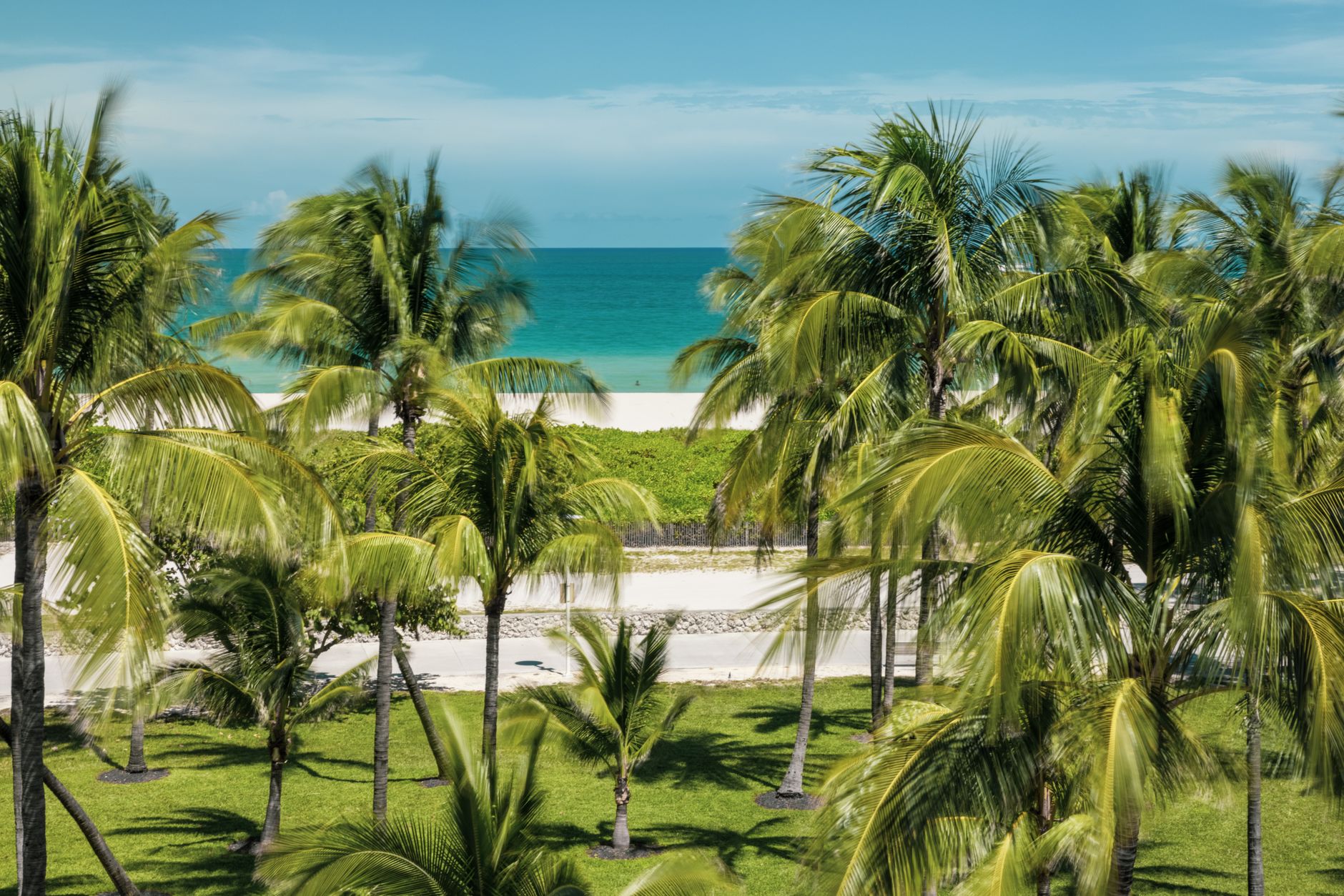
You step off the bus at the Palm Beach loop and the houses announce themselves immediately—weatherboard baches with saltwater-stained decks, newer builds with floor-to-ceiling glass angled toward the water. The beach unfolds below, a 500-meter arc of bleached quartz sand that squeaks underfoot when dry. The water deepens gradually, its temperature hovering near 20 degrees in February, dropping to 15 by July.
Families claim their territories early, staking shade beneath beach umbrellas while children wade into water so placid it barely qualifies as surf. The seabed is sand, mostly—no rocks to navigate, no sudden drop-offs to startle swimmers. At high tide the beach narrows to a ribbon; at low, tidal pools form near the western rocks, filled with hermit crabs and the occasional stranded flounder. Rangitoto Island dominates the northern horizon, its volcanic cone dark against afternoon clouds.
Gradual sandy seabed
White sand and shade
Motuihe and Rangitoto views
Prime Visitation
Anytime|Best Weather
Where it is
Palm Beach
Waiheke Island, Auckland Region, New Zealand
-36.789600°, 175.044600°
Weather
Loading…
Swell
—
Temp
Warm · Restorative
UV Index
Moderate
Wind
—
Tidal State
Last known
Max Sunlight
—
Ideal Shade
—
Jan - Dec (Peak)
Mar - Nov (Off-season)
Historical data suggests peak visibility and stable sea temperatures occur during the prime visitation window.
Select a category to load nearby places.
Unlock restaurants, luxury stays and curated maritime experiences within 2km
Palm Beach is one of Waiheke Island's safest swimming beaches, with a gentle slope and generally calm waters protected from strong swells. The white sand beach is ideal for families, with shallow areas perfect for children to paddle and play. During summer weekends and holidays, volunteer lifeguards patrol the beach, adding extra safety. However, always supervise children closely and check conditions before swimming. The beach can experience moderate waves during easterly winds. Swimming is best at mid to high tide, as low tide exposes more rocks and seaweed. The clear demarcation between swimming and boat areas helps maintain safety. Overall, Palm Beach's sheltered position makes it reliable for family swimming.
Palm Beach is beautiful year-round, though summer (December to February) offers the warmest weather and liveliest atmosphere with cafes and activities in full swing. This is peak season, meaning more crowds and higher accommodation prices. Shoulder seasons (November and March-April) provide warm enough weather for swimming with fewer visitors and better accommodation availability. Weekdays are quieter than weekends throughout the year. Early mornings offer peaceful beach walks and stunning light for photography. Winter visits suit those seeking tranquility and coastal walks rather than swimming. The beach faces northeast, providing good sun exposure most of the day. Consider visiting during Waiheke's festival season for combined beach and cultural experiences.
Reaching Palm Beach requires a ferry to Waiheke Island followed by local transport. Fullers and SeaLink ferries run regularly from downtown Auckland to Waiheke (35-40 minute journey). From Matiatia ferry terminal, Palm Beach is about 15 kilometers away. Options include local bus services that connect to Palm Beach during peak season, rental cars or scooters available near the ferry terminal, taxis, or pre-booked shuttles. Many visitors rent bikes, though the route is hilly. If driving onto the island, book vehicle ferry space in advance as it's limited and expensive. The bus is the most economical option. Journey time from ferry to Palm Beach is approximately 20-30 minutes by vehicle.
Palm Beach has limited but quality accommodation, including holiday homes, boutique lodges, and rental properties ranging from budget to luxury. Book well in advance for summer weekends and holidays as availability fills quickly. The beachfront area has a popular cafe serving breakfast, lunch, and casual dining with excellent views. A general store provides basic supplies and takeaway food. For broader dining options, Oneroa village is nearby with restaurants, cafes, and shops. Many accommodations offer self-catering facilities, and there's a small supermarket on the island. Several vineyards within short driving distance offer restaurant dining. Most visitors staying on Waiheke rent properties with kitchens to enjoy flexibility and island produce from local markets.
Palm Beach stands out as Waiheke's premier family swimming beach, combining white sand, reliable swimming conditions, and developed amenities. Unlike rockier or more remote island beaches, Palm Beach offers easier access, nearby parking, and a social atmosphere. The beach has a distinctly holiday-resort feel with the beachfront cafe creating a relaxed, tropical vibe. It's more sheltered and swimming-focused compared to Onetangi's surf beach character or Oneroa's village beach setting. The white sand quality is superior to many other island beaches. Palm Beach attracts a mix of day-trippers and holiday home owners, creating a vibrant summer community. Its northeast orientation provides excellent sun exposure and protection from prevailing winds.
Photos