Counting the waves…
Counting the waves…
A refined fusion of water purity, environmental stability, and communal vibrancy for Awatere Beach.
View MethodologyAnalyzed via live sensors and environmental data.
Wave height, wind, and atmospheric stability.
Live footfall and crowd balance metrics.
Community reviews and curated sentiment.
“The road narrows to gravel, then ends altogether. Beyond lies a sweep of volcanic sand where the Pacific has been carving the coastline since long before Te Araroa had a name.”
Limited recent visitor reports — live OBI telemetry is your best guide for current conditions.
Awatere Beach announces itself with the smell of iodine and the crunch of pumice beneath your boots. The sand here isn't the golden stuff of travel brochures—it's charcoal-dark, flecked with mica that catches the afternoon sun like scattered glass. Purple lupins colonize the foredunes, their roots holding the sand against the southerly gales that rake this coast most of the year.
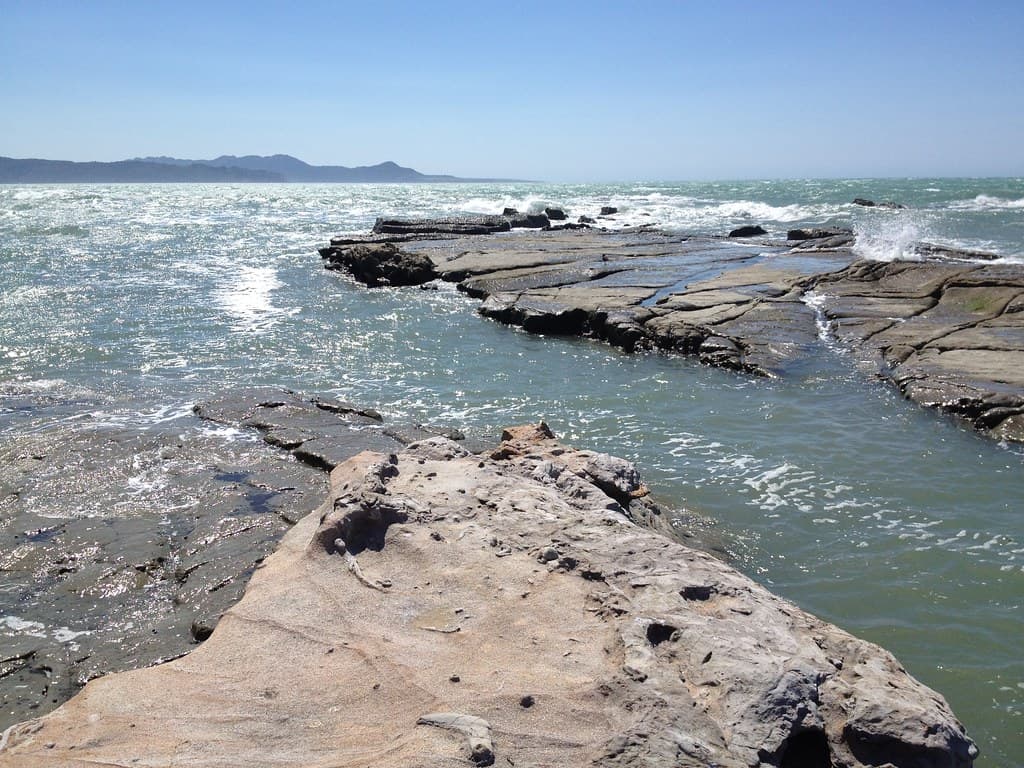
The beach stretches north toward the Awatere Valley mouth, a shifting bar of sand and river stones where whitebait fishermen set their nets in spring. You'll spot their huts—weathered plywood structures that look like they might blow away in the next storm but somehow never do. At low tide, the beach widens to reveal tide pools trapped between basalt shelves, each one a miniature aquarium of anemones and baby pāua.
Crystal lagoon with rocky outcrop
White cliffs over a desert beach
Watch whitebait fishermen at work
Purple blooms against black sand
Frigid even in midsummer
Prime Visitation
Best Weather|Less Crowds
Where it is
Awatere Beach
Te Araroa, Gisborne / Tairāwhiti, New Zealand
-37.700400°, 178.391000°
Weather
Loading…
Swell
—
Temp
Warm · Restorative
UV Index
Moderate
Wind
—
Tidal State
Last known
Max Sunlight
—
Ideal Shade
—
Jan - Dec (Peak)
Mar - Nov (Off-season)
Best Weather|Less Crowds
Select a category to load nearby places.
Unlock restaurants, luxury stays and curated maritime experiences within 2km
Swimming at Awatere Beach requires caution and experience. The beach is remote and unpatrolled, with no lifeguard services available. Ocean conditions can be unpredictable with strong currents, waves, and undertows common along this exposed East Cape coastline. Swimming is only recommended for strong, experienced swimmers in calm conditions. Always assess conditions carefully before entering the water. The isolated location means emergency assistance would take considerable time to arrive. Families with children should remain in very shallow water and maintain constant supervision. Many visitors prefer enjoying the beach for walks and scenery rather than swimming.
Summer (December through February) offers the best weather for visiting Awatere Beach, with warmer temperatures and more stable conditions. This period provides the most comfortable beach experience, though the remote location ensures crowds are never an issue. Late spring (November) and early autumn (March) can also be pleasant with milder weather and excellent solitude. Winter months bring cooler temperatures, stronger winds, and rougher seas, though the dramatic coastal scenery remains impressive. Plan your visit during weekdays or shoulder seasons for maximum tranquility in this already quiet corner of New Zealand's East Cape.
Awatere Beach is accessed from the Te Araroa area along State Highway 35, which circles the East Cape. The beach requires turning off the main highway onto local roads near Awatere Valley. A private vehicle is essential as no public transport serves this remote region. Roads can be narrow, winding, and unsealed in sections, requiring careful driving and extra travel time. Ensure adequate fuel before departing as service stations are scarce on the East Cape. The journey offers stunning coastal views typical of this dramatic region. Check local road conditions, especially after heavy rain.
Food and accommodation options near Awatere Beach are very limited. Te Araroa, the nearest settlement of any size, offers basic supplies, a general store, and simple accommodation including a campground and limited holiday rentals. Visitors should bring food and supplies from larger towns like Gisborne or Opotiki. There are no restaurants or cafes in the immediate area. Many travellers exploring the East Cape come prepared with camping equipment or stay in self-contained vehicles. The remote nature of this region means advance planning is essential. Book accommodation ahead during summer as options are few.
Awatere Beach embodies the raw, remote character of New Zealand's East Cape coastline. Its location near Awatere Valley and the approaches to Te Araroa offers exceptional isolation and unspoiled natural beauty. The beach provides access to some of the country's most remote coastal scenery, far from typical tourist routes. This area represents authentic rural New Zealand with strong Māori cultural connections. Visitors experience genuine solitude and the opportunity to disconnect from modern life. The dramatic coastal landscape, sandy shores, and sense of being at the edge of the world make it memorable for adventurous travellers seeking truly off-the-beaten-path destinations.
Photos